

Disney faces class action lawsuit over use of facial recognition in California parks
Class Action Lawsuit Accuses Disney of Collecting Guest Biometric Data Without Proper Informing or Obtaining Clear Consent
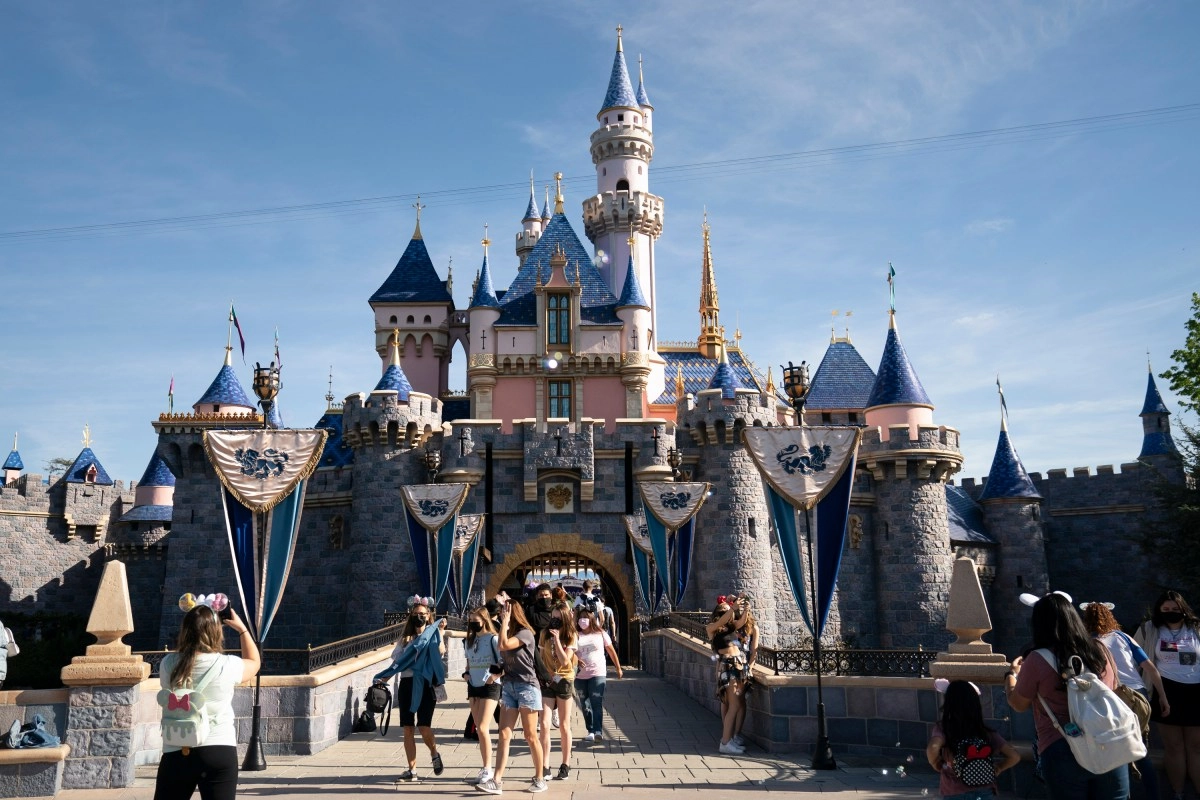

The Walt Disney Company is facing a class-action lawsuit in California over the use of facial recognition technology at the entrances to its Disneyland and Disney California Adventure parks, amid growing concerns about privacy and biometric surveillance in public spaces.
The appeal was filed last Friday on behalf of Riverside County resident Summer Christine Duffield, who accuses the company of failing to clearly and sufficiently disclose the collection and use of visitors' biometric data. The lawsuit seeks at least $5 million in compensation.
According to attorney Blake Hunter Yagman, Duffield visited the parks on May 10 and 14 and subsequently decided to take legal action because he believed that Disney violated his right to privacy by using facial recognition technology without sufficiently explicit consent.
“When American families and their children visit a theme park, much less a brand as ubiquitous as Disney, they should not sacrifice their right to privacy upon entry,” Yagman stated in a statement.
The lawyer added that “the collection of biometric information has implications for civil rights and privacy, especially without proper consent.”
According to the lawsuit, Disney uses special entrance lanes that capture facial images of guests to facilitate re-entry into the parks and prevent fraud related to tickets and passes. On its official site, the company maintains that the system is voluntary and that there are alternative accesses without facial recognition.
"Participation is optional. There are also access lanes that do not use facial recognition technology," Disney notes in its policy posted online. The company adds that the collected images are deleted within a maximum period of 30 days.
However, the lawsuit argues that the information about the biometric system is insufficient and not very visible to attendees. The court document cites reporting from the Los Angeles Times and maintains that some notices “are easy to miss” due to their visual design and location at access points.
“For guests who wish to avoid this invasive technology, there are separate unclear entrances,” states the complaint, which also accuses Disney of failing to obtain written consent before collecting sensitive biometric information.
The case adds to a growing wave of litigation in the United States related to the use of facial recognition by large technology corporations and public entities. Companies like Amazon and Meta have faced similar lawsuits over alleged privacy violations stemming from the use of biometric data.