

Texas opens investigation against Meta smart glasses for possible privacy violations
The prosecutor's office assures that its actions focus on protecting the rights of Texan consumers against large technology companies.
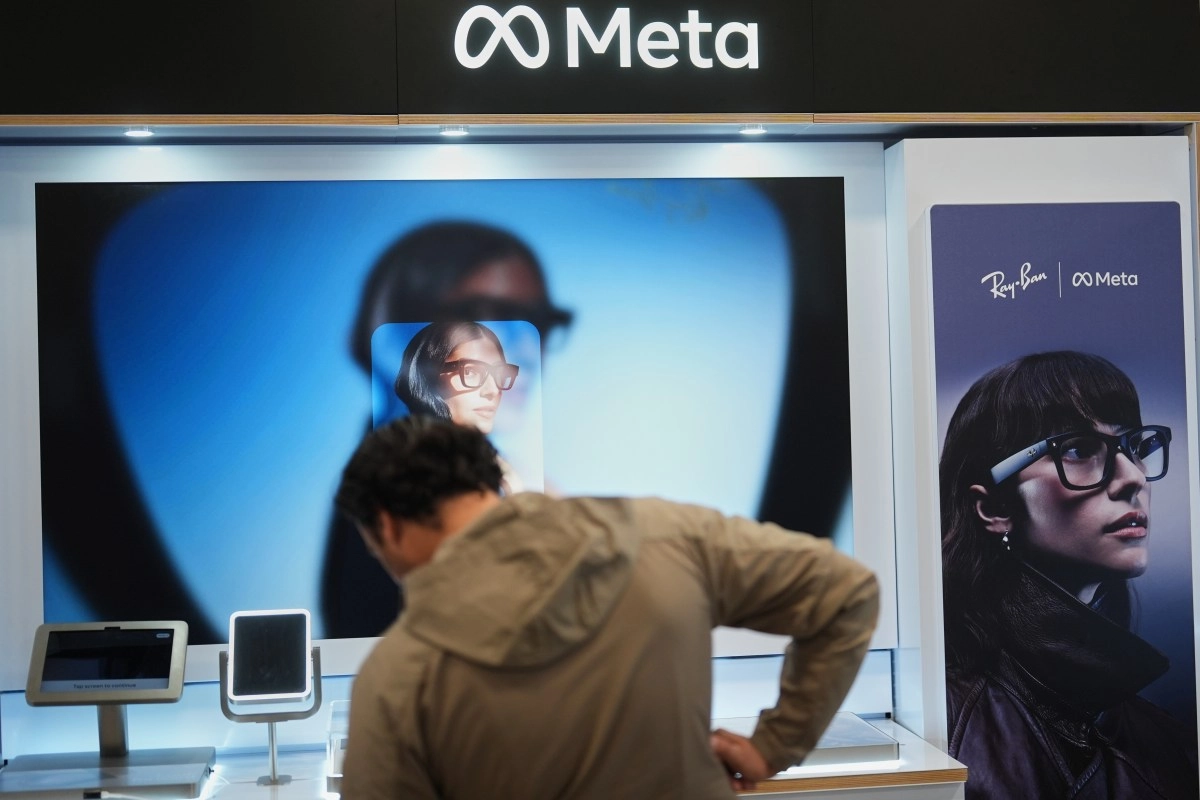

Texas Attorney General Ken Paxton announced an investigation into smart glasses developed by Meta amid concerns about alleged violations of privacy laws and unauthorized collection of biometric data.
The investigation was announced by Paxton himself, who reported that his office will examine the recording and surveillance capabilities of smart glasses launched by Meta in collaboration with Ray-Ban in 2023.
The devices, known as Ray-Ban Meta Smart Glasses, integrate artificial intelligence, cameras, microphones, speakers, and real-time audio and video recording functions. According to the Texas prosecutor, there is concern because users could easily hide the LED light that indicates when the device is recording.
“Meta's glasses raise serious concerns, and my office will thoroughly investigate these devices to ensure that no one is being illegally recorded, tracked, or subjected to unauthorized collection of their data,” Paxton said.
The prosecutor's office also warned that the indicator light does not activate in some continuous recording modes, which could allow the capture of images and conversations without the knowledge of third parties.
Meta has previously argued that the lenses were designed with built-in privacy mechanisms and that the front LED is intended to alert when the camera is being used. In addition, the company ensures on its official site that users must comply with local laws regarding recording and privacy.
The case revives tensions between Texas and Meta related to the handling of biometric data. In 2024, the company agreed to pay $1.4 billion to settle a lawsuit brought by the state, which accused Facebook of collecting and using biometric information from millions of users without explicit consent.
That settlement was considered one of the largest data privacy payouts in U.S. history. According to the lawsuit, Facebook used facial recognition technology on automatically tagged photos without permission from Texan users.