

Gasoline price increase cost $8.4 billion extra, according to Democrats
Gasoline price increase exceeds $4 per gallon and has already cost drivers in the US an extra $8.4 billion, according to a Democratic analysis
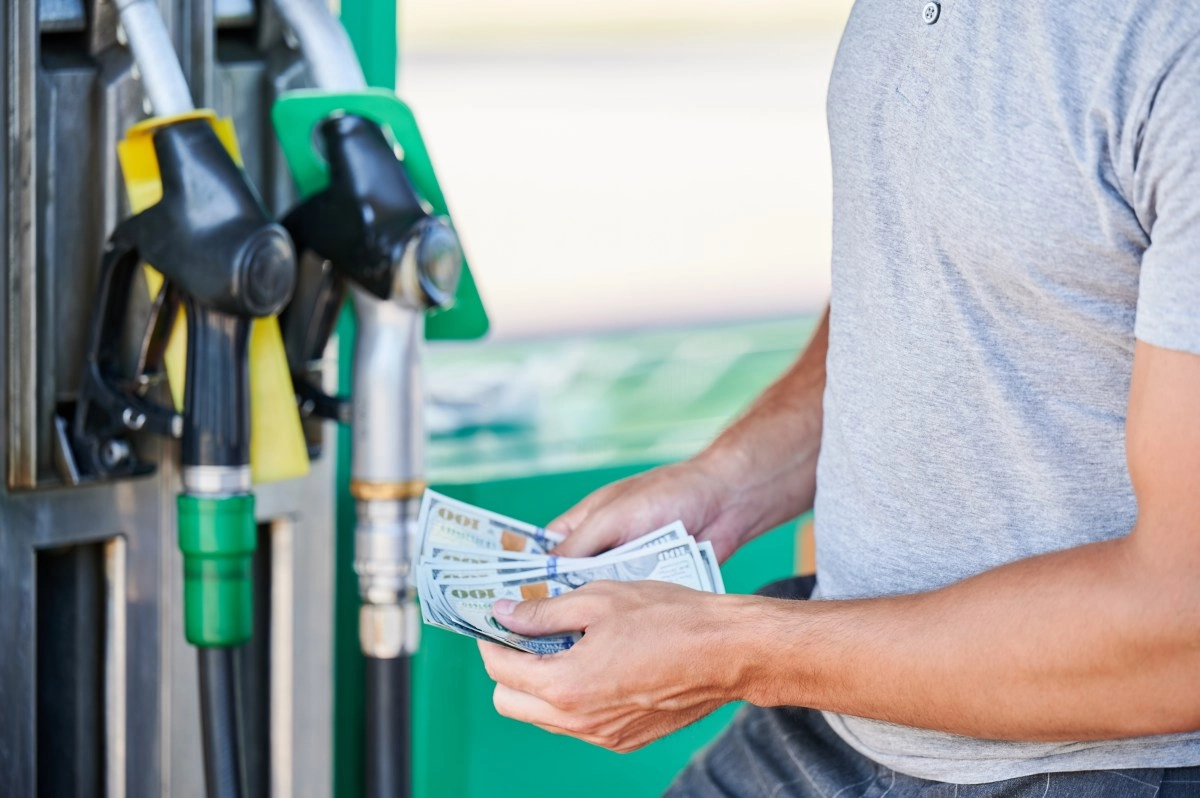

The increase in gasoline prices is already being felt strongly throughout the United States. Who hasn't noticed the rise to more than $4 per gallon, on average? The conflict in the Middle East, specifically with Iran, has already impacted the global energy industry, and in just one month this additional expense has been significant for millions of drivers; we're talking billions of dollars, according to Democratic legislators. According to an analysis by the Joint Economic Committee (JEC), led by Democratic legislators, Americans have spent an extra $8.4 billion on fuel from February 28 to March 31. The calculation is based on daily price data from the American Automobile Association (AAA), along with information on fuel consumption and features of the most commonly used vehicles. Currently, the national average price of gasoline is $4.08 per gallon, exceeding the $4 mark for the first time since 2022. The worrying aspect of such a rapid and exorbitant increase in fuel prices is its direct impact on household budgets and the cost of living. The analysis by Democratic legislators used different vehicles to calculate the increase in fuel costs. For example, filling the tank of a Ford F-150 can cost $144.65, reflecting a considerable increase compared to previous weeks (around $37.29 compared to a month ago). Toyota RAV4 drivers now spend $58.26 to fill up their tank, an increase of $15.02 (35%) compared to before the war. Despite the price hike, consumption hasn't immediately fallen, indicating that these extra costs have definitely impacted American households. Data from Navy Federal Credit Union shows that households continue to use their credit cards, suggesting they are absorbing the impact for now. However, this situation won't be sustainable in the long run. Furthermore, With more of their monthly budget being spent on the extra cost of gasoline, a growing number of people are reconsidering their spending and postponing major purchases. This coincides with other indicators pointing to increased consumer caution. “The pressure is starting to show, especially when gasoline reaches $4 a gallon nationally,” said Heather Long, an economist at Navy Federal Credit Union.States heavily reliant on cars, such as Texas and California, have seen the largest increases in gasoline spending. This amplifies economic disparities between regions and increases concerns about the cumulative effect. The Trump administration has stated that the price increase is temporary and linked to the international situation. They maintain that costs could reduce once the conflict in the Middle East stabilizes. Unfortunately, that is little comfort to anyone in the country, after the president himself reaffirmed on Wednesday that attacks on Iran could continue for two to three weeks. With this, oil prices continue to rise, putting pressure on gasoline costs, which impacts not only consumers but also businesses that depend on transportation.