

House of Representatives approves $1.15 trillion defense plan with greater military cooperation with Israel
The House of Representatives approved a record $1.15 trillion military budget
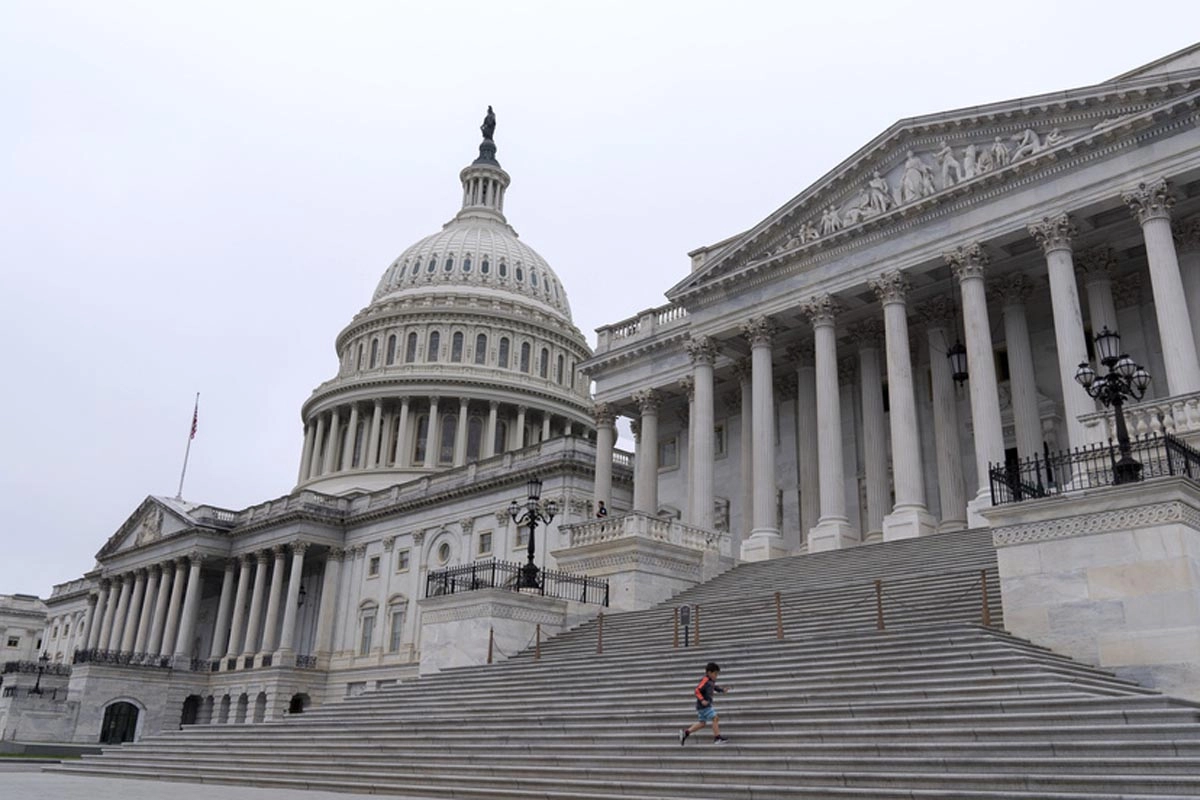

The House of Representatives approved the National Defense Authorization Act (NDAA) for fiscal year 2027, a project that includes a record budget of $1.15 trillion and a provision to strengthen military cooperation between the United States and Israel.
The initiative was approved this Wednesday by 216 votes in favor and 212 against, in a vote marked by a strong partisan division. The measure must now continue its legislative process in the Senate before reaching the White House.
One of the most relevant elements of the project is section 219, which establishes a permanent integration of defense supply chains between the United States and Israel, in addition to expanding collaboration in military technology, data sharing, research and development.
Greater US-Israel military alliance draws criticism
The initiative to expand military cooperation with Israel also generated rejection among Democrats, who questioned whether Congress would push for such a measure while international criticism of Israeli operations in Gaza continues.
In addition to the defense agreement with Israel, the opposition also questioned the size of the budget allocated to the Pentagon and the political context in which the increase in military spending is proposed.
Democrats pointed out that Donald Trump's administration is pushing for greater resources for defense while promoting cuts in other government programs.
Republicans defend historic increase in military spending
Republicans argued that the investment is necessary to strengthen the capabilities of the US military, fund new defense systems and ensure better conditions for troops.
The project includes resources for the acquisition of military equipment, technological development, military infrastructure and benefits for members of the armed forces, including salary increases of up to 7%.
The initiative also incorporates Trump's proposal to increase funding for national security and contemplates changes related to the structure of the Department of Defense.
Vote reflects political fracture in Congress
The passage of the NDAA showed an almost complete division between both parties.
Six Democrats voted in favor of the project:
While seven Republicans rejected the measure:
Bill faces new obstacles before becoming law
The NDAA is one of the pieces of legislation that traditionally advances each year in Congress and has been passed for decades consecutively. However, the 2027 version faces a more complicated scenario due to differences on foreign policy, military spending and internal affairs.
The House approved its own version of the bill, while the Senate must continue its review. Both chambers will then have to agree on a final version before sending it to President Donald Trump for his signature or veto.