

How many billions of dollars from Iran are frozen by the US and why they are key to negotiating peace
Access to resources has been a key demand of Tehran, but they remain out of reach due to sanctions and banking restrictions
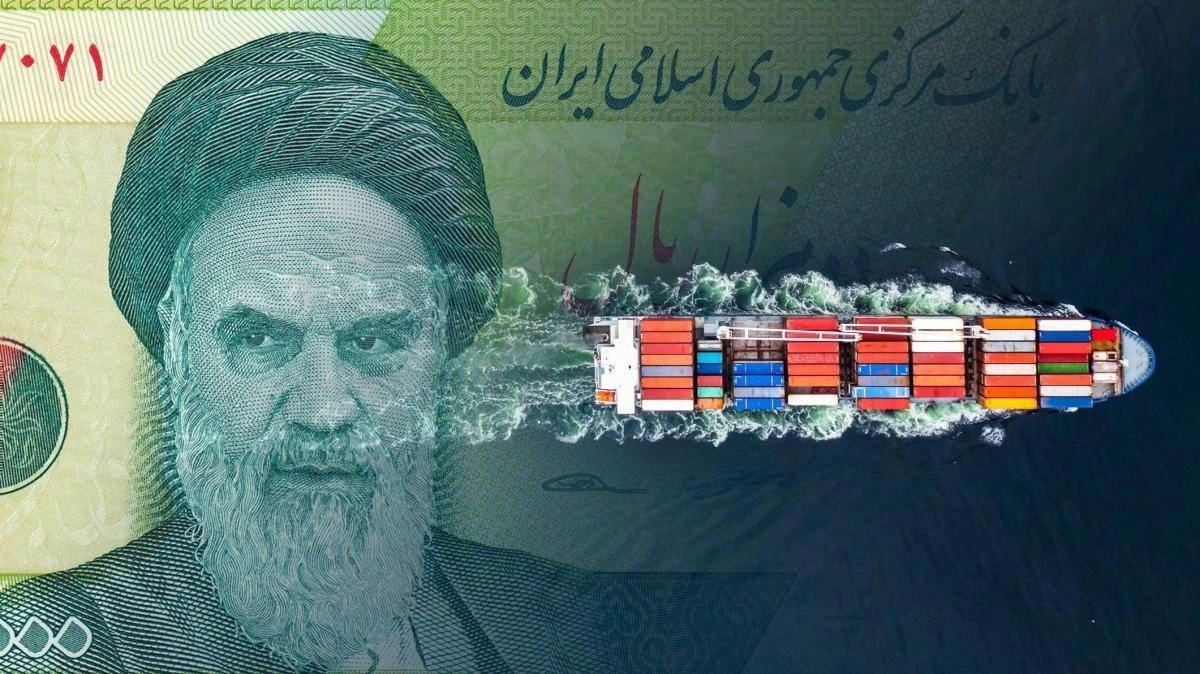

The release of frozen Iranian assets is one of the most controversial and complex issues in relations between Iran and the West.
This is a key element of the memorandum of understanding recently signed with the United States, which aims to end the war between the two countries.
Tehran has long sought access to funds held abroad, much of which remains out of reach due to sanctions and banking restrictions.
Although most of those assets are not located in the United States, Washington plays a key role in determining whether they can be used.
Experts say unlocking even a portion of that money would provide a crucial lifeline to an economy battered by years of sanctions, economic isolation, runaway inflation and currency devaluation, on top of the damage caused by its recent conflict with the United States and Israel.
However, they warn that converting any agreement into effective transfers will be a slow and complex process, due to the legal, financial and political obstacles involved.
So what exactly are these funds and how easily can Iran access them?
What are the frozen goods and assets?
There is no official figure on the total value of frozen Iranian assets, but estimates range from about $27 billion to more than $100 billion.
The funds are not held in a single, immediately accessible account. Rather, they include oil revenues, profits from oil, gas and electricity exports, foreign exchange reserves deposited in foreign banks and assets tied up in legal disputes, some of them decades old.
When Iran sells oil abroad, payments are typically deposited into accounts in the buying country. However, sanctions have frequently prevented Tehran from repatriating those funds.
The first major wave of asset freezes dates back to 1979, following the hostage crisis at the US embassy in Tehran. Although some of those assets were released under a later agreement, some claims and assets related to military contracts signed before the 1979 Islamic Revolution remain unresolved.
A second, broader wave of restrictions began between 2011 and 2012, with the tightening of sanctions related to the Iranian nuclear program and the exclusion of Iran from parts of the global banking system. These measures were further strengthened after the United States withdrew in 2018 from the 2015 nuclear deal (JCPOA).
As restrictions expanded, increasing amounts of income became trapped abroad, either formally frozen or subject to strict limitations on how it could be used.
According to Frédéric Schneider, an economist at the Middle East Council on Global Affairs, a Doha-based think tank, there are “different types of freezes,” including formally blocked funds, income that cannot be repatriated and money tied up in ongoing legal disputes.
Where is the money?
Most of Iran's restricted funds are located outside the United States.
A significant portion is in China, the largest buyer of Iranian oil, with estimates ranging from $20 billion to $50 billion. Other significant sums are found in Iraq, linked to payments for gas and electricity exports, and estimated between US$10 billion and US$15 billion.
South Korea held around $6 billion in revenue from Iranian oil sales, which were transferred in 2023 to accounts in Qatar, according to US Congressional figures.
However, Washington later indicated that Iran would not be able to access those funds in the short term, which in practice meant that the money remained tied up in Doha.
Other funds are located in countries such as India, Japan and Luxembourg.
In contrast, the amount under US jurisdiction is relatively small – around US$2 billion, according to the US Congress – and much of it is tied to court rulings and compensation claims, making its release particularly sensitive.
What is the role of the United States?
Although the funds are mostly located outside the United States, Washington's influence over them is largely due to so-called secondary sanctions.
These measures not only target Iran, but also foreign banks, companies and governments that maintain commercial relations with the country.
Any institution that helps transfer Iranian funds risks losing access to the US financial system or facing sanctions.
As a result, countries that hold Iranian money are often reluctant to release or transfer those funds without explicit approval from the United States.
What could Iran gain from a deal?
The memorandum contemplates two main forms of possible economic relief:
The document also points to a broader reconstruction effort - valued at at least US$300 billion - to rebuild and develop the Iranian economy in cooperation with regional partners, within the framework of a program whose implementation mechanism must be specified within the final agreement.
The United States has stressed that it would not give money directly to Iran (something the Trump administration says is in stark contrast to the 2015 nuclear deal between Iran and the Obama administration) but would instead focus on promoting investments in infrastructure, energy, transportation and other sectors.
Will Iran receive the resources?
These deals face “very complex obstacles”, he told the BBC, meaning Iran might be in a position to spend funds within a given country but would have difficulty transferring them internationally.
Schneider highlights a deeper problem: uncertainty over the duration of any deal.
As he explains, some US sanctions are incorporated into legislation passed by Congress, meaning that a president cannot eliminate them completely unilaterally and can only grant temporary exemptions.
That raises questions about how long any sanctions relief could last, Schneider adds.
A similar pattern was seen after the 2015 nuclear deal, when Iran regained access to some of its funds.
However, many banks continued to act cautiously, and in 2018, the United States withdrew from the agreement and reimposed sanctions.
Last week, Iranian state media reported that the United States had agreed to release $12 billion in frozen assets, although Washington has not confirmed that information.
There is also uncertainty over whether the United States could use some of the Iranian assets to compensate the Gulf states for war-related damages.
US Treasury Secretary Scott Bessent wrote in X in early June that those losses would be “paid with funds drawn from Iranian accounts.”
However, Iran rejected that possibility. Deputy Foreign Minister Kazem Gharibabadi stated that his country's assets “are neither spoils of war for Washington nor a fund intended to pay its allies.”
What would this mean for Iran's economy?
In 2024, Iran's economy was worth approximately $475 billion, according to the World Bank.
Iranian officials estimate war-related economic losses at up to $300 billion, and the economy could shrink by around 10% this year.
If even a portion of those funds were released, it could provide short-term relief.
A member of the Iranian Chamber of Commerce told the BBC that the country's foreign currency shortage "has reached a point where many orders have been stopped or suffered long delays, and imports have been effectively limited to basic goods and food."
Experts say access to billions of dollars in hard currency could help stabilize the rial, finance imports - including essential goods - and ease pressure on financial markets.
However, they warn that this would not solve the deepest structural problems of the economy.
Kamran Nedri, professor of economics at Imam Sadiq University in Tehran, argues that “controlling inflation and addressing the cost of living crisis should be a priority before any reconstruction program.”
He adds that injecting financial resources without carrying out reforms risks undermining their benefits.
For his part, Mehrdad Vahabi, professor of Economics at Paris 13 University, affirms that Iran's challenge is broader: reversing the “sharp decline in investment and industrial obsolescence” recorded during the last two decades.
"Without economic security, investment is impossible. Without real investors, the Iranian economy will not prosper and economic development will stagnate," he argues.
Reza Talebi, a researcher in International Relations at the University of Leipzig, in Germany, agrees with this assessment.
He explains that Iran must reduce tensions to give investors confidence that their money will be protected from political and security risks.
“The state of limbo between war and peace is the biggest obstacle to the entry of capital into the economy,” he adds.