

Mexican convicted for operating human trafficking network for 11 years and committing armed robberies on migrants
Its criminal structure not only violated national security, but subjected migrants to violent robberies while they were trying to achieve the American dream
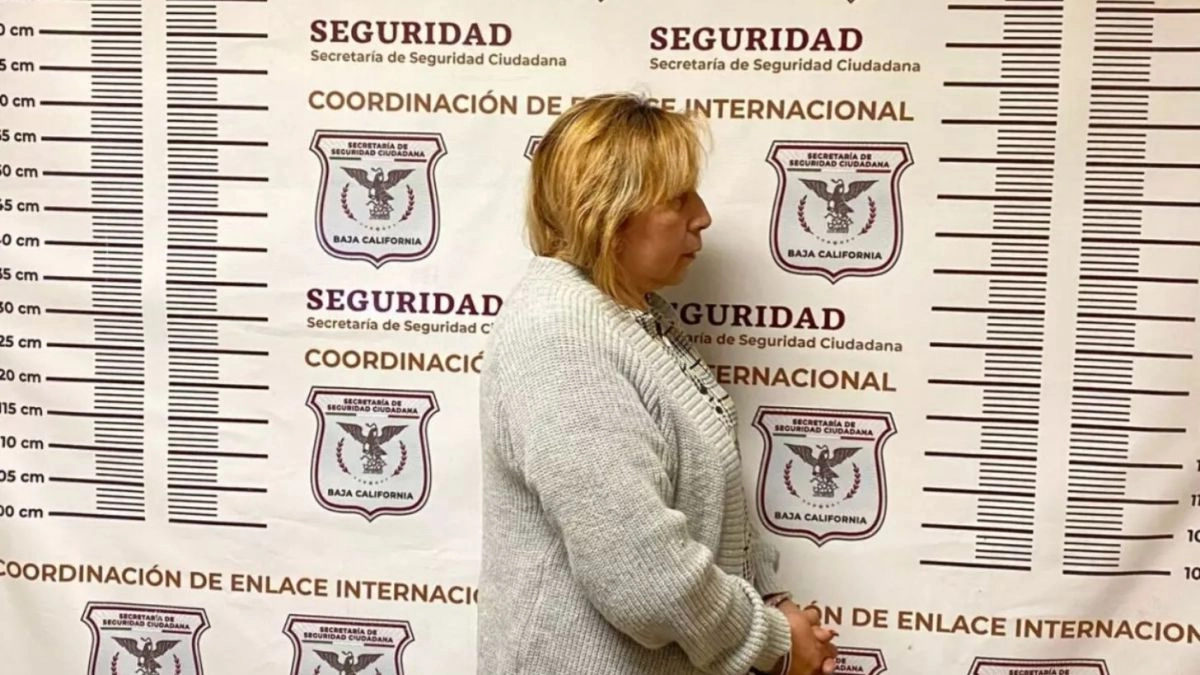

A Mexican woman identified as Ofelia Hernández Salas, also known as “Doña Lupe” and “La Güera”, was sentenced to 11 years in federal prison by enca bezar for more than a decade an organization dedicated to migrant trafficking between Mexico and the US southern border, federal authorities reported.
The case, prosecuted in the District of Arizona, exposes a complex human smuggling network that transferred hundreds of people from Latin America to Asia, Africa and Middle East to U.S. territory through clandestine routes and methods considered highly dangerous by the authorities.
According to the United States Department of Justice, Hernández Salas, originally from Mexicali, Baja California, declared c ulpable of conspiracy and of multiple charges related to the illegal entry of aliens into the United States for profit purposes.
The federal investigation maintains that the network charged tens of thousands of dollars from migrants from countries such as Bangladesh, Pakist An, India, Yemen, Eritrea, Uzbekistan, Russia and Egypt, in addition to citizens of Mexico and Central America who were seeking to reach the United States.
According to judicial documents, the migrants traveled extensive routes through South America and Central America before arriving in Mexico. Many crossed po r Brazil, Colombia, Ecuador, Costa Rica, Nicaragua, Honduras, Guatemala and other countries until reaching the border between Mexico and the United States.
Clandestine crossings and armed robberies
The U.S. authorities noted that the organization used different methods to introduce migrants into the country. Between them, ladder s to climb the border wall, holes under the fence and improvised boards to cross canals and waterstreams that separate both countries.
However, the case took on greater relevance due to the accusations of violence against the migrants themselves who hired the organization's services. The federal agents claim that Hernández-Salas and his accomplices stole money, cell phones, and personal belongings while carrying firearms and knives.
“Transnational human trafficking represents a direct threat to national security,” stated A. Tysen Duva, official in the Criminal Division of the Department of Justice. The func ionario accused the network of putting the lives of hundreds of people at risk and hindering the government's ability to properly review the backgrounds of those entering the country.
The investigations also point to that the organization would have operated for years from hotels and safe houses in Mexicali, using coordinated routes with other traffickers to mobilize migrants to Arizona and California.
Arrest in Mexico and binational cooperation
Hernández Salas was arrested in March 2023 in Mexicali along with her alleged collaborator, Raúl Saucedo-Huipio, following a formal extradition request submitted by the U.S. government during the Joe Biden administration.
The capture was the result of a coordinated operation between US and Mexican agencies, including Interpol, the FBI, ICE and Baja California authorities.
The co-defendant remains in federal custody and his sentencing is scheduled for June 2026.
U.S. authorities reported that, once Hernández Salas serves his sentence, he will be subject to deportation to Mexico.
The case is part of the operations of Joint Working Group Alpha, a US government initiative focused on combating criminal organizations dedicated to trafficking and trafficking people on the southern border. According to official data, this special force has made more than 450 arrests and obtained hundreds of convictions related to international human smuggling networks.