

Senate will punish legislators without pay if they cause shutdown of the government
The new resolution seeks to put pressure on Congress to avoid political blockades and budget crises
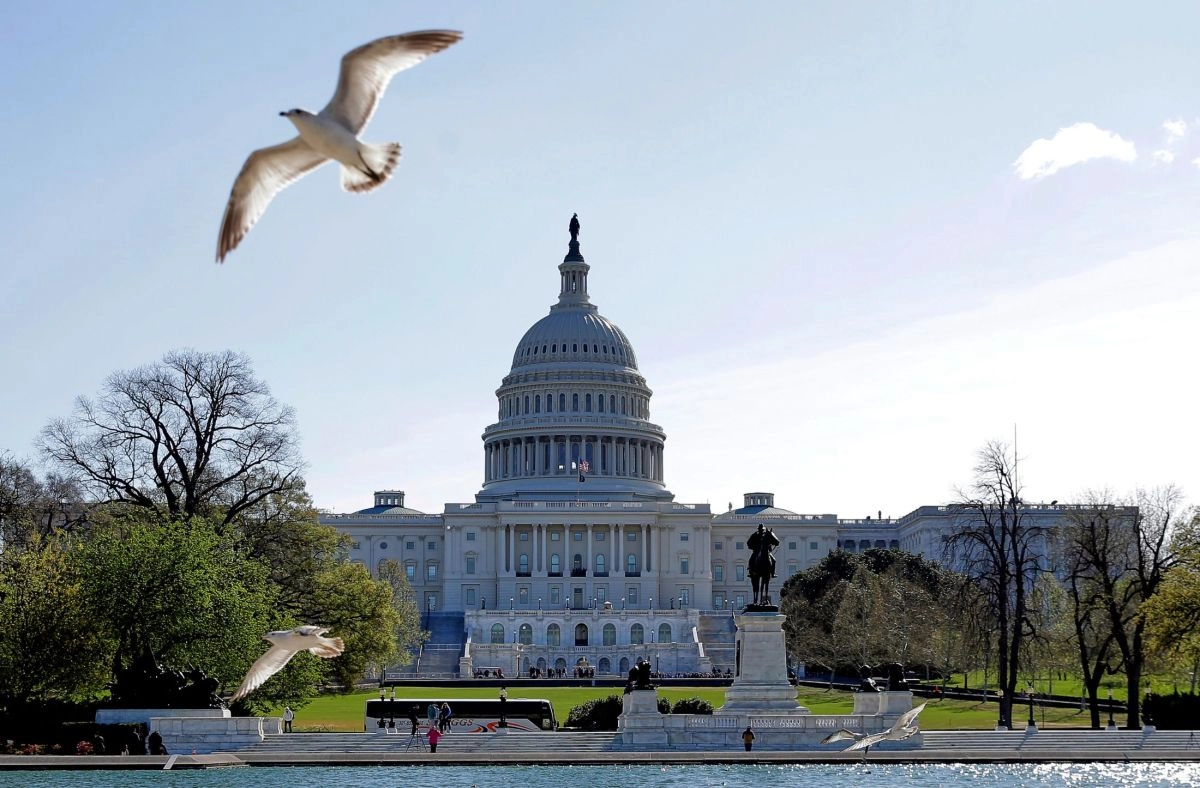

The Senate unanimously approved a resolution that will temporarily suspend the salary of senators during future federal government shutdowns, in an effort to stop the constant political disputes that have paralyzed public agencies in recent years.
The initiative, promoted by Republican Senator John Kennedy, received the full backing of the upper house with a vote of 99-0, reflecting the growing political attrition that the recent government shutdowns in Washington have caused.
The measure establishes that, if Congress does not approve federal funds before the deadline date, the senators will temporarily stop receiving their salary. Although the money or it will not be permanently lost—it will be placed in an escrow account—legislators will not be able to access it until the government returns to normal operations.
A response after months of political crisis
The resolution arises after two historic closures recorded in the last months. The first occurred in autumn 2025 and lasted for 43 days due to disputes over medical insurance subsidies icos. Subsequently, the Department of Homeland Security(DHS) remained partially paralyzed for 76 days due to disagreements related to funding for ICE and Border Patrol.
During the Senate debate, Kennedy harshly criticized the inability of Congress to resolve budget conflicts without affecting millions of citizens.
“We should hide our heads in a bag. This has to stop,” declared the Republican senator. “Shutting down the government shouldn’t be our default solution to our refusal to solve our problems.”
The resolution also received support from Senate Democratic leader Chuck Schumer, who previously confirmed that he would support the proposal.
The measure will not apply immediately
Despite the broad political consensus, the norm will not enter into force immediately. Due to constitutional restrictions established in the 27th Amendment of United States, any changes related to the salaries of members of Congress can only be implemented after the next legislative elections.
This means that the resolution will begin to take effect after the midterm elections and will not impact a possible government shutdown planned for this fall.
Although the proposal only affects the Senate and does not require approval from the House of Representatives nor the signature of President Donald Trump, the movement has been interpreted as a political message in the growing polarization in Washington.