

Díaz-Canel califica de “genocida” el bloqueo petrolero de EE.UU. contra Cuba
El gobernante cubano aseguró que el agravamiento de la crisis eléctrica tiene como causa única las amenazas de aranceles "irracionales" impuestas por Trump
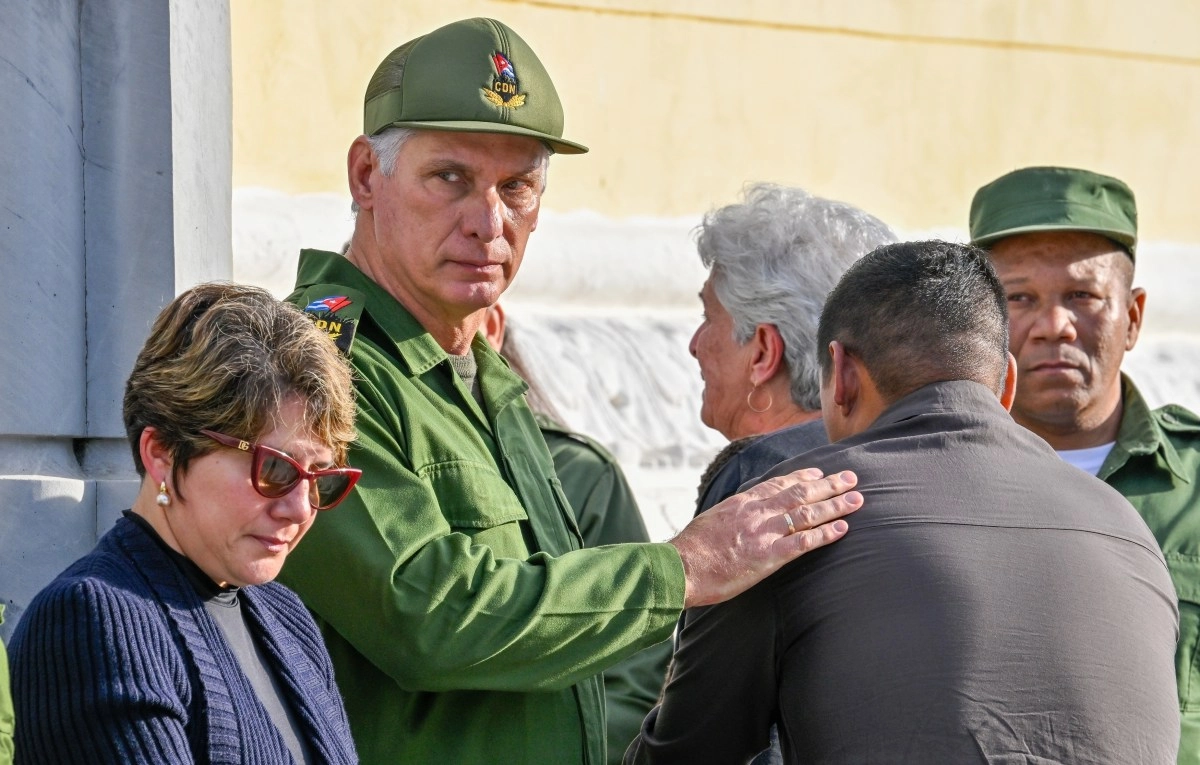

The president of Cuba, Miguel Díaz-Canel, accused the United States of provoking the serious energy crisis that the island faces through a n “genocidal energy blockade” that, ensured, prevents the arrival of fuel and aggravates the blackouts that affect millions of Cubans.
In a message published on social networks, the president stated that the “energy blockade” imposed by Washington is “suffocating” the country and blamed the US sanctions directly for the deterioration of the National Electroenergy System.
“The dramatic worsening” of the electricity cuts has “a single cause”, wrote Díaz-Canel, when denouncing that the United States threatens with sanctions and tariffs on nations or companies that supply fuel to Cuba.
The electric crisis has intensified in the last days. The state Electric Union of Cuba estimated that the energy deficit for this Wednesday oles would reach more than 2,000 megawatts during peak demand, leaving simultaneously no service about 63% of the country.
In several provinces, inhabitants have faced blackouts of 20 consecutive hours, while in Havana interruptions of up to 15 hours in a row have been reported.
Energy crisis hits the island
Faced with the deterioration of the service, the Minister of Energy and Mines, Vicente de la O Levy, announced a special intervention on state television to explain the energy situation.
Díaz-Canel maintained that Washington tries to present the crisis as a consequence of poor governmental management, when, as he stated, it responds to a strategy to generate social discontent and internal political pressure.
The president also recalled that the partial relief of some restrictions during recent years allowed a temporary economic and energy improvement on the island. No e However, he noted that new measures imposed after Donald Trump's return to the White House tightened again the limitations on fuel supply.
According to official figures, Cuba needs around 100,000 barrels of oil daily, although its local production is barely around 40,000. Since January, s Only one foreign tanker would have arrived at Cuban ports, when normally at least eight vessels monthly are required to cover national demand.
Independent experts agree that the crisis not only responses to external restrictions, but also to the deterioration of Cuban thermoelectric power plants, many of them s obsolete after decades without sufficient investments. Currently, eight of the 16 generation units in the country remain out of service due to breakdowns or maintenance.