

My driver's license was suspended in California: what you should do now
If your driver's license was suspended in California, you must meet requirements, pay fees, and request reinstatement from the DMV step by step
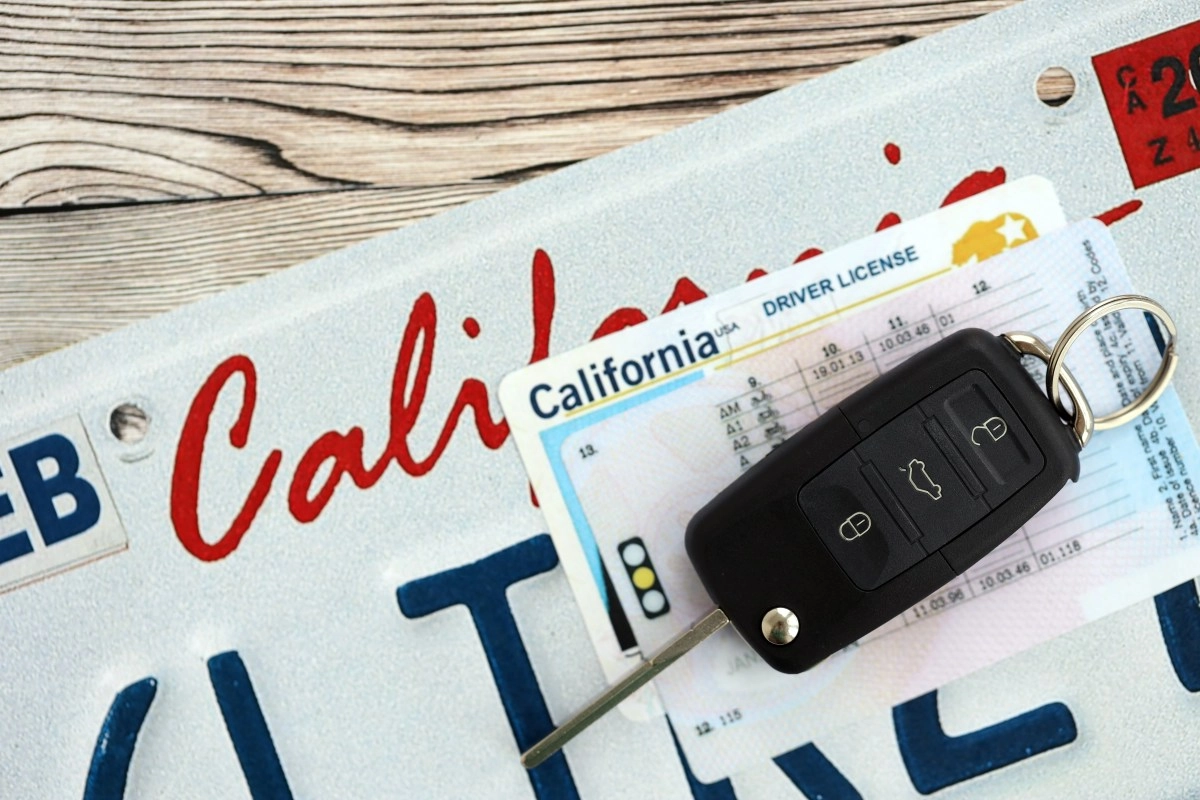

Temporarily losing the right to drive in California can become a serious everyday problem, especially if you depend on your car for work or to carry out your daily activities. However, a suspension is not permanent: there are clear steps to recover your driver's license.
The most important thing is that you comply with the due process, the suspension period; which cannot be lifted, and the requirements established by the California Department of Motor Vehicles (DMV).
Before starting any process, it is essential to identify the cause of the suspension. According to the DMV and law firms like Shouse California Law Group, the most common reasons include:
The reason will determine both the length of the suspension and the requirements for regaining your license, but you should know that there is no single timeframe. For example:
In some cases, such as debts or medical conditions, the suspension remains in place until the problem is resolved.
Also read: How to renew your driver's license in California: methods and requirements
What to do during your driver's license suspension?
While your license is suspended, you cannot legally drive in California. However, there is an alternative: applying for a restricted license. After 30 days of suspension (or sooner in certain DUI cases), you can apply for this permit, which allows you to drive in specific situations, such as commuting to and from work, driving during your job, or attending mandatory programs like DUI school. To obtain this restricted license, according to the Shouse California Law Group, you must go in person to a DMV office, pay the applicable fees, and present SR-22 insurance (proof of financial responsibility). In DUI cases, you may also need to install an ignition interlock device (IID). How to get your driver's license back,Step by Step
Once the suspension period ends, the reinstatement process begins. This is not automatic, so you must manage it directly. These are the corresponding steps:
1. Meet all requirements
Depending on the case, you may need:
2. Provide proof of insurance
The DMV usually requires an SR-22 form, which certifies that you have the minimum required insurance.
3. Pay the fees
Fees vary depending on the case, but may include:
4. Apply for reinstatement
You must submit your application to the DMV, either online (for some payments) or in person, providing all the required documents.
Getting your license back in California can take time, but following each step carefully is key to avoiding delays. Experts recommend not driving while your license is suspended, as this can worsen the penalties.