

New regulations put gender care for minors at risk
The implementation of these proposals could affect access to gender-affirming care in more than 20 states where these treatments are legal
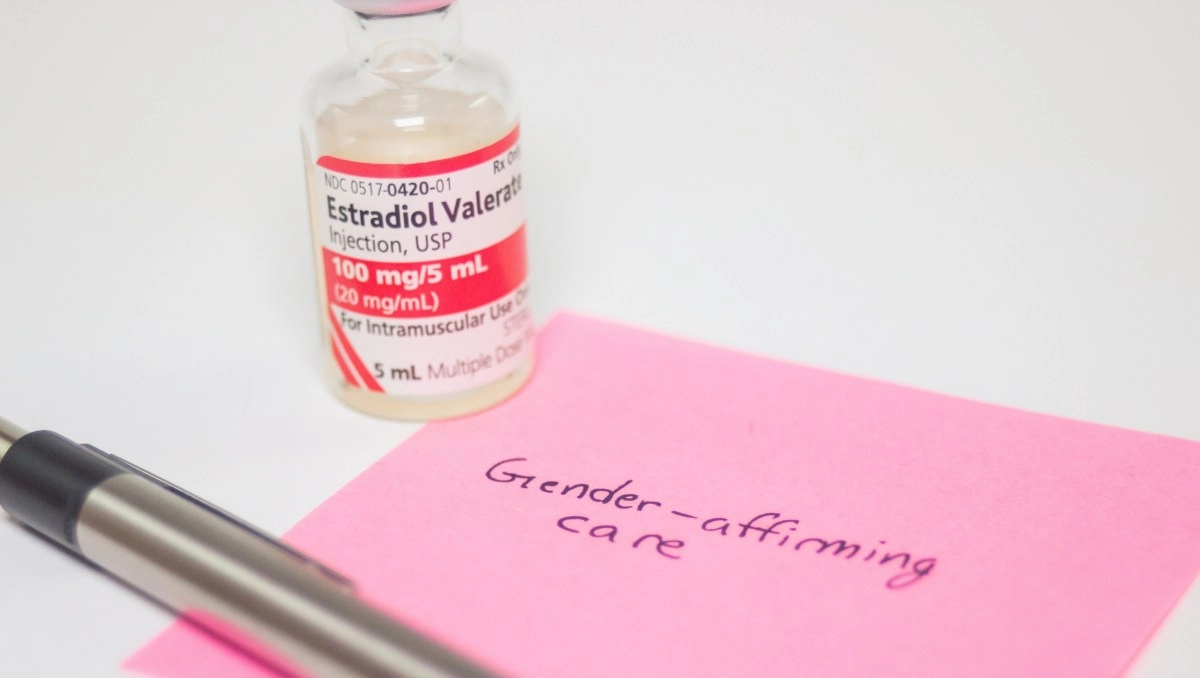

The Department of Health and Human Services (HHS) introduced measures that restrict access to gender-affirming care for minors, including reducing Medicaid and Medicare funding for hospitals that offer such services. This action is part of a broader approach by the Trump administration. “This is not medicine, it's medical negligence,” Health Secretary Robert F. Kennedy Jr. said of gender-affirming procedures at a press conference Thursday, according to the Associated Press (AP). “Sex-denying procedures deprive children of their future.” The proposals contradicted the recommendations of leading US medical societies. The new regulations face strong opposition from medical organizations and transgender rights advocates, who denounce these measures as a form of medical negligence and potentially dangerous to the health of the affected youth. Implementing these proposals could affect access to gender-affirming care in nearly two dozen states where these treatments are currently legal. Many hospitals could be forced to cease this care due to funding restrictions. “The multitude of efforts we are seeing from federal legislatures to deprive transgender and nonbinary youth of the health care they need is deeply troubling,” Rodrigo Heng-Lehtinen of The Trevor Project, a nonprofit suicide prevention organization for LGBTQ+ youth, told the AP. Long-term implications: “Nearly every hospital in the United States participates in Medicare and Medicaid, and this measure is designed to ensure that the US government does not do business with organizations that intentionally or unintentionally inflict permanent harm on children,” the department maintains. These new rules would prevent Medicaid from covering several treatments for minors, including puberty blockers, hormones, and surgical procedures. The proposals are not final, but their impact could be profound on healthcare for transgender youth. As discussions about these policies unfold, the medical community and families continue to express concern for the well-being of minors requiring specialized care. Officials must go through a lengthy rulemaking process, including periods of public comment and document review, before the restrictions become permanent.They are also likely to face legal challenges.
The proposed rules are already having an effect: they will likely further discourage health care providers from offering gender-affirming care to children; many hospitals have already ceased such care in anticipation of federal action.
Treatment Alternatives for Minors
When minors cannot access medical gender-affirming treatments, there are psychosocial and support alternatives that can help improve their emotional and social well-being. These alternatives include:
In addition, in some cases, health professionals may recommend temporary puberty suppression with hormone blockers, if available and appropriate for the minor, which can provide time for reflection and future decision-making.
It is critical that minors receive comprehensive care, including mental and social health care, to prevent problems such as depression, anxiety, self-harm, or suicidal ideation.
You may also be interested in: