

Trump threatens the EU with new tariffs if it doesn't remove trade barriers before July 4th
Set the 250th anniversary of US Independence as the definitive deadline for Brussels to comply with "the largest trade deal in history"
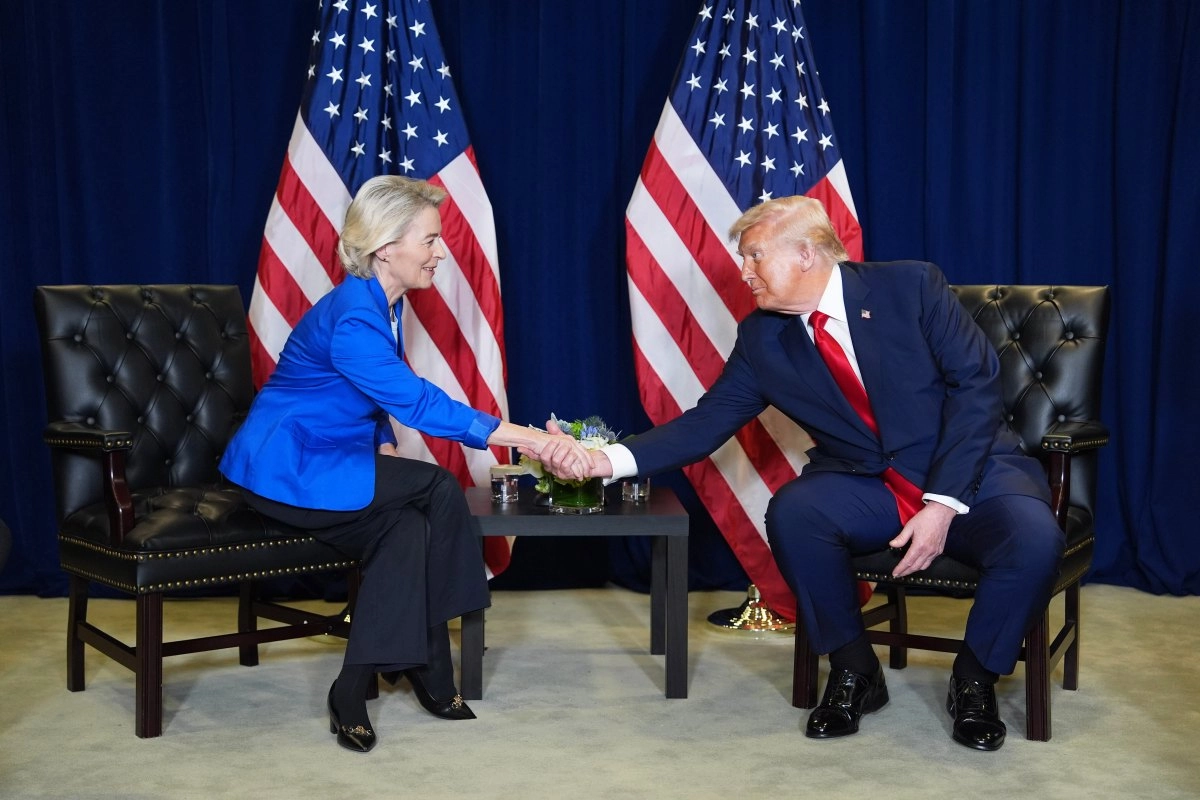

The President of the United States, Donald Trump, has once again increased the pressure on the European Union (EU) by launching a trade ultimatum that could intensify the economic tensions between Washington and Brussels in the electoral year.
Trump assured that he had an “excellent phone conversation” with the president of the European Commission, Ursula von der Leyen, whom he warned that blo that the European has until next 4 July to comply with the trade agreement reached last year in Scotland or face new tariff increases.
“I've been patiently waiting for the EU to fulfill its part of the historic trade agreement,” the Republican president wrote in Social Truth. “Tariffs were promised to reduce to zero, as agreed. Otherwise, tariffs will immediately raise to much higher levels,” he added.
The new deadline coincides with the 250th anniversary of independence of the United States, a date that Trump has used as a political symbol in several of his speeches.
The president had already threatened days ago to raise from 15% to 25% the tariffs applied to European cars and trucks, arguing that Brussels n o has fully complied with what was agreed upon in the called “Turnberry Agreement”, signed during a meeting between both leaders in Scotland in July 2025.
Europe seeks to gain time while negotiations continue
Although Trump's tone maintained pressure on the Europeans, EU officials interpreted the new deadline as an extension that would allow forward in the internal ratification of the trade agreement.
Negotiations within the European Union face political resistance and divisions among several member states. Thursday, European representatives held more than six hours of conversations without reaching a consensus to definitively approve the commercial text.
The agreement provides for the European Union to eliminate most tariffs on American industrial products, while Washington would maintain a 15% duty ceiling on much of European exports, including automobiles, pharmaceuticals, semiconductors and wood.
However, some European sectors maintain reservations about Trump's foreign policy and his recent statements on Greenland, an autonomous territory it belongs to. entity to Denmark. Legislators of the European Parliament seek to introduce safeguards that allow to suspend the pact if Washington threatens European strategic interests.
Von der Leyen confirmed that the conversation with Trump was “constructive” and affirmed that both parties continue working to close the deal before July.
Iran and global security also dominated the call
In addition to the trade conflict, both leaders discussed the situation in the Middle East and agreed to reject any possibility of Iran obtaining nuclear weapons.
Trump assured that Washington and Brussels are “totally united” regarding that Tehran “can never possess a nuclear weapon.” The president e American argued that a regime that “murders its own people” should not have access to weapons capable of causing massive destruction.
Von der Leyen also highlighted the coordination between the United States and the European Union in the face of the regional crisis and warned that the risks to international stability continue to grow.
The new trade pulse happens at a delicate moment for the global economy, with markets attentive to the possible consequences of another tariff escalation between two of the largest economic powers in the world.
Meanwhile, Trump maintains his strategy of direct pressure on allies and trade rivals alike, in a campaign that seeks to reinforce his image as a tough negotiator in the face of legislative elections and consolidate the support of American industrial sectors.