

They prohibit the sale of 'gas station heroin' due to the effects it produces
It is known as such because it is sold in convenience stores, gas stations, vape shops and online retailers
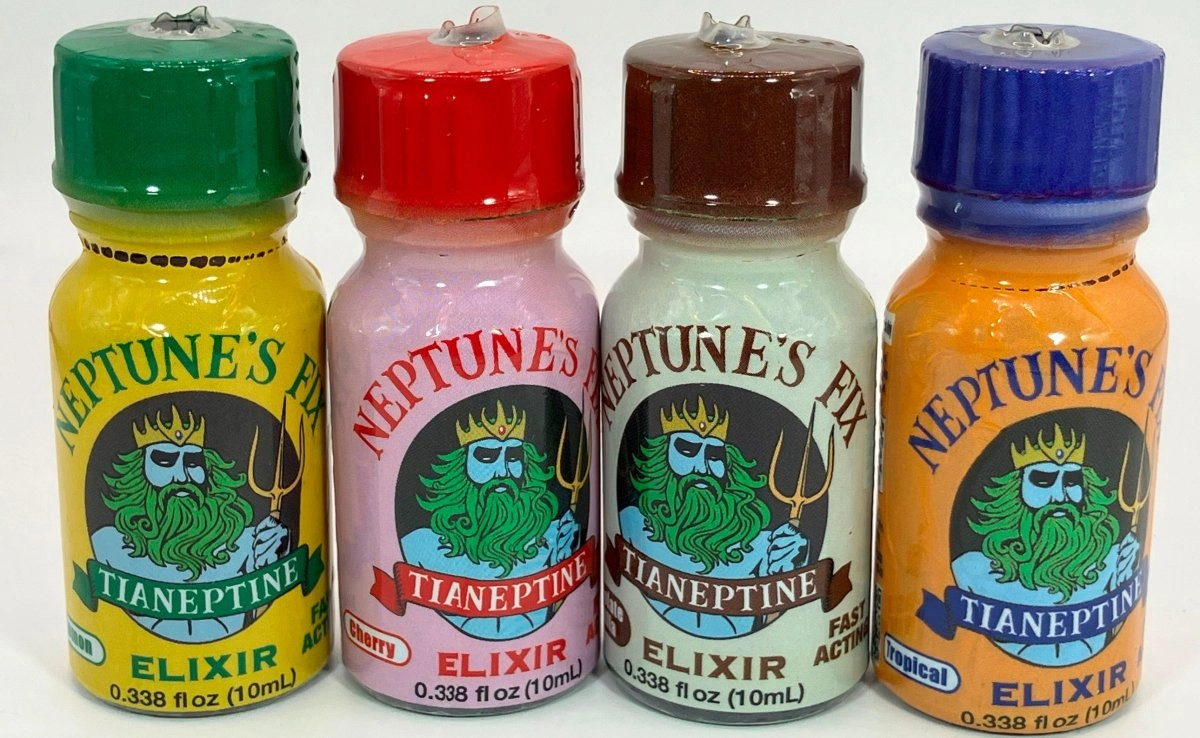

Tianeptine, a tricyclic antidepressant questioned by medical professionals, has been classified as a controlled substance in fourteen US states due to its addictive potential and serious adverse effects. Connecticut joins the restrictions, prohibiting its sale and use. The Food and Drug Administration (FDA) notes that tianeptine can be more potent than morphine and addictive opioids. Its misuse can cause respiratory depression, severe sedation, and even death, which is why it was not approved by the regulatory agency for any medical use, as it warned a year ago.
The Drug Enforcement Administration (DEA) also warns of serious health effects.
Products containing tianeptine are marketed as pain, anxiety, and depression relief, often in affordable forms and with appealing flavors, which increases their appeal to young people.
It is also known as "gas station heroin," and by names such as Tianaa, ZaZa, Neptune's Fix, Pegasus, and TD Red, because it is commonly sold at convenience stores, gas stations, vape shops, and online retailers.
US Regulation
With the recent change in tianeptine's classification in Connecticut, the debate has intensified over whether national regulations are needed. Medical experts have stressed the importance of taking action in the face of what they consider a growing addiction epidemic. “With deceptive advertising that led consumers to believe these products were safe, and with candy-like flavor options, these substances posed a clear threat to those struggling with drug addiction and to our younger residents,” Connecticut Lieutenant Governor Susan Bysiewicz said in an official statement released by Fox News Digital. The state of Connecticut also added Mitragyna speciosa (kratom), 7-hydroxymitragynine, bromazolam, flubromazolam, The same news outlet also reports that nitazenes and phenibut have been added to the controlled substances classification. This suggests a trend toward greater control over potentially dangerous compounds on the market. Long-term effects: Tianeptine has long-term effects on mental health that are cause for concern,primarily due to its addictive potential and risks of dependence. Prolonged use, especially at high doses, can lead to physical and psychological dependence due to its action on opioid receptors, similar to opiates. Abrupt discontinuation causes severe withdrawal symptoms such as anxiety, insomnia, agitation, abdominal pain, and in extreme cases, seizures or suicidal thoughts.