

Nigeria seizes the largest drug laboratory in its history and it was operated by Mexicans
The laboratory operated on an industrial scale and was part of a criminal network made up of members of a Nigerian criminal group and Mexican collaborators.
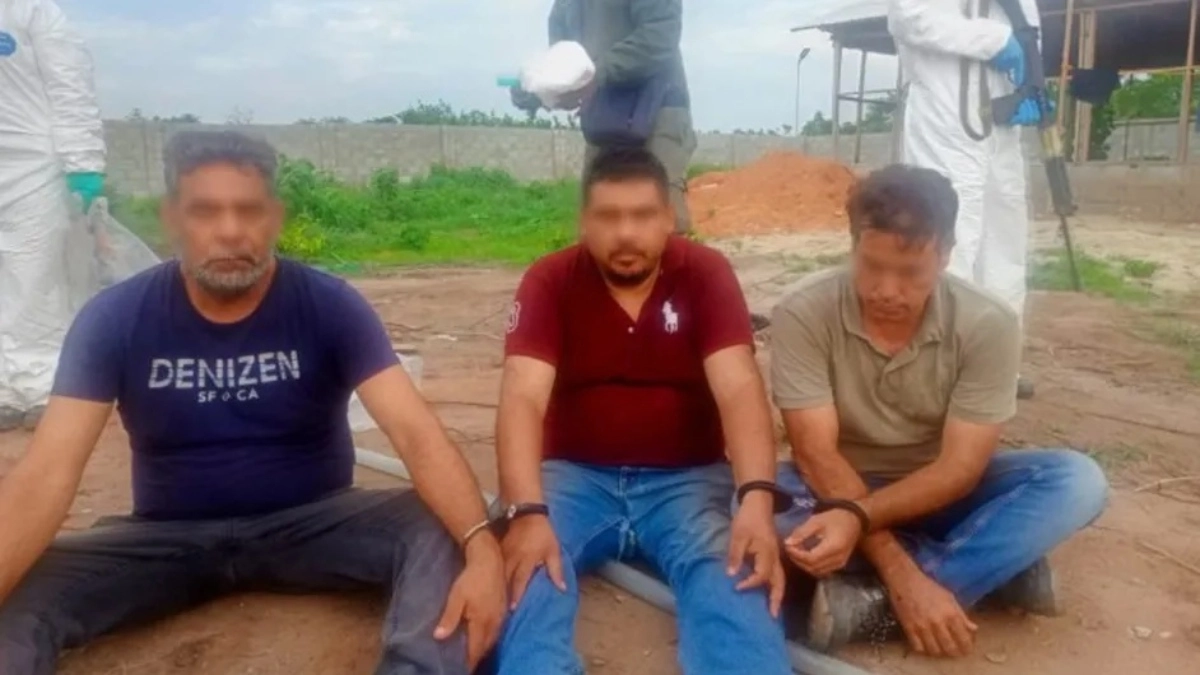

Nigerian authorities dismantled the largest clandestine methamphetamine laboratory discovered so far in that country and arrested nine people, including three Mexican citizens identified as experts in the manufacture of synthetic drugs.
The operation was led by the Nigerian National Drug Law Enforcement Agency (NDLEA), which located the complex in a forested area of Ogun state, in the southwest of the country.
According to authorities, the laboratory operated on an industrial scale and was part of a transnational criminal network made up of members of a Nigerian criminal group and Mexican collaborators.
The president of the NDLEA, Buba Marwa, reported that the investigation took place over several months and culminated in a series of simultaneous operations carried out in Ogun and Lagos.
In addition to the seizure of the laboratory, searches were carried out in two homes located in an exclusive area of Lagos, where large quantities of crystal methamphetamine and chemical precursors valued at approximately $362 million were seized.
Among those detained are three Mexicans identified by international media as specialists or “cooks” dedicated to the installation and operation of laboratories for the production of methamphetamine.
According to investigations, these technicians were hired to strengthen the manufacturing capacity of the criminal organization in Nigerian territory.
Nigerian authorities noted that this case reflects an evolution in international drug trafficking strategies, with criminal organizations transferring technical knowledge and production operations to new markets outside of Latin America.
Marwa warned about the growing presence of foreign specialists in rural African communities to set up synthetic drug production centers.
The NDLEA keeps investigations open to determine the scope of the distribution network and the possible international links of the detainees. Meanwhile, authorities reinforced surveillance in the region to prevent criminal groups from reactivating similar operations in the area.