

War in Iran shoots up oil above $100 per barrel
The rise comes after a week of military clashes between the United States and Iran
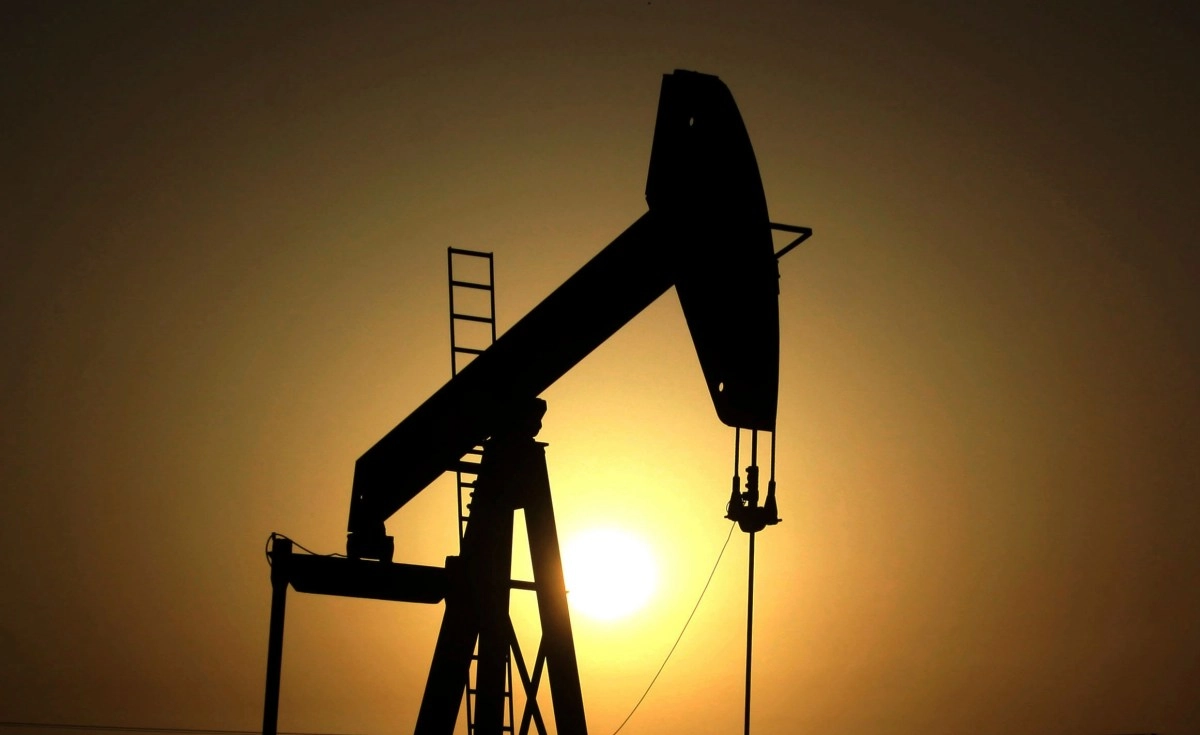

International oil prices surpassed $100 per barrel on Sunday for the first time since 2022, driven by the escalating conflict between the United States and Iran and growing concerns about global energy supplies.
West Texas Intermediate (WTI) prices reached nearly $110 per barrel, while Brent Crude, the global benchmark for the oil market, exceeded $105, according to energy market reports.
The rise comes after a week of military clashes between the United States and Iran, which have increased the risk of disruptions to crude oil supplies in the Middle East, a key region for the global energy market.
Analysts point out that the main concern is the situation in the Strait of Hormuz, a strategic point through which approximately one-fifth of the world's oil passes.
According to a report by the economic analysis firm Trading Economics, the price of Brent crude rose by up to 15% and exceeded $100 because several Middle Eastern producers reduced their production due to the closure or disruption of routes in that waterway.
Several energy sector analysts have also warned that a prolonged disruption of transit through the strait could cause a global supply crisis, further putting pressure on crude oil prices.
Despite the context, Donald Trump downplayed the rise in oil prices and asserted that the increase in Prices are a temporary consequence of the conflict.
In a message posted on the social network Truth Social, the president stated: "Short-term oil prices, which will fail rapidly when the destruction of Iran's nuclear threat is over, are a very small price to pay for America and the world, security and peace. Only fools would think otherwise!"
Trump also described the increase in fuel prices as “a minor glitch” resulting from the conflict.
However, in the United States, the average price of gasoline has also increased since the beginning of the conflict. From the American Automobile Association (AAA), the average cost of fuel rose 16% in the last week, equivalent to about 47 cents per gallon, reaching approximately $3.45 per gallon.Experts warn that as long as the war continues and there is a risk of disruptions to crude oil supplies in the Middle East, oil prices could remain high and even exceed current levels.