

Weight loss drugs can also make your hair fall
Telogen effluvium is a condition that causes abnormal hair loss due to significant stress on the body
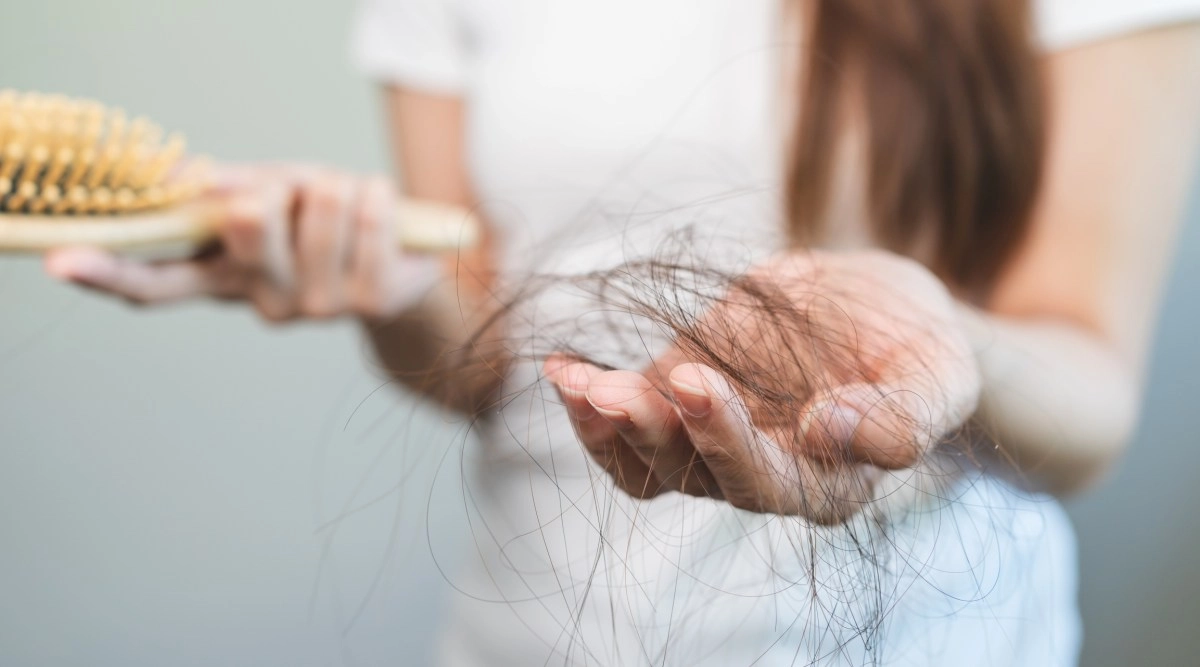

GLP-1 agonist medications, used to treat chronic illnesses or for weight loss, have become increasingly popular in recent years. However, this comes with some drawbacks, as they can cause quite unpleasant side effects.
One such case is that of Carol Saffran, reported by CNN. A 71-year-old Boston resident began treatment with Ozempic a year ago, originally prescribed to control her blood sugar levels, and did experience significant weight loss. However, she also noticed concerning changes in her hair, which were diagnosed as telogen effluvium. This is a condition that causes abnormal hair loss due to significant stress on the body. Dermatologists indicate that it can be triggered by rapid weight loss, hormonal changes, or the use of certain medications.
Effects of Ozempic Use
According to experts, hair loss related to Ozempic is not a direct side effect of the medication, but is associated with the significant weight loss that many patients experience.
This rapid transformation can disrupt hair growth cycles, leading to increased hair loss.
Doctors warn about the possibility of chronic malnutrition in patients using these medications, which can worsen hair loss.
A lack of essential nutrients, such as protein and vitamins, has been linked to an increased risk of telogen effluvium.
Telogen Effluvium Mitigation
Telogen effluvium triggered by rapid weight loss typically begins 2 to 3 months after the triggering event and can last approximately 6 to 12 months. Recovery is usually spontaneous, and hair regrows once the underlying cause is addressed. In some cases, it can be prolonged, but it generally does not lead to permanent hair loss if the cause is corrected. During telogen effluvium,The hair falls out diffusely, and then the hair cycle resets over time, allowing hair renewal within up to 6 months after the active shedding phase ends. Experts suggest that patients experiencing hair loss should seek medical evaluation. An accurate diagnosis is recommended, including laboratory tests to rule out vitamin deficiencies and hormonal imbalances. For those who need to continue their GLP-1 treatment, such as Saffran, medications like minoxidil are available to help regrow hair. However, specialists emphasize the importance of addressing the underlying cause to facilitate a faster resolution. Doctors advise patients to be proactive and talk to their physicians about GLP-1 use and its potential side effects, including hair loss. The relationship between weight loss and hair health is complex and depends primarily on how the weight loss is achieved and the nutritional status during the process. Rapid weight loss or very restrictive diets can lead to significant nutritional deficiencies, such as a lack of protein, iron, zinc, biotin, and essential vitamins, which are critical for healthy hair growth and maintenance. These deficiencies compromise hair follicles and can trigger increased hair loss and thinning. In addition, hormonal changes associated with weight loss, such as fluctuations in estrogen and testosterone levels, or insulin sensitivity, also affect the natural hair cycle, contributing to hair loss or thinning. A gradual and well-planned weight loss, with a balanced, nutrient-rich diet and adequate hydration, can minimize these risks and help preserve long-term hair health. Managing nutritional deficiencies, avoiding prolonged stress, and maintaining proper hormonal balance are key to ensuring that weight loss does not negatively impact hair health over time. You may also be interested in:There are medications like minoxidil to help regrow hair. However, specialists emphasize the importance of addressing the underlying cause to facilitate a faster resolution. Doctors advise patients to be proactive and talk to their physicians about using GLP-1 and its potential side effects, including hair loss. The relationship between weight loss and hair health is complex and depends primarily on how the weight loss is achieved and the nutritional status during the process. Rapid weight loss or very restrictive diets can lead to significant nutritional deficiencies, such as a lack of protein, iron, zinc, biotin, and essential vitamins, which are critical for healthy hair growth and maintenance. These deficiencies compromise hair follicles and can trigger increased hair loss and thinning. In addition, hormonal changes associated with weight loss, such as fluctuations in estrogen and testosterone levels, or insulin sensitivity, also affect the natural hair cycle, contributing to hair loss or thinning. A gradual and well-planned weight loss, with a balanced, nutrient-rich diet and adequate hydration, can minimize these risks and help preserve long-term hair health. Managing nutritional deficiencies, avoiding prolonged stress, and maintaining proper hormonal balance are key to ensuring that weight loss does not negatively impact hair health over time. You may also be interested in:There are medications like minoxidil to help regrow hair. However, specialists emphasize the importance of addressing the underlying cause to facilitate a faster resolution. Doctors advise patients to be proactive and talk to their physicians about using GLP-1 and its potential side effects, including hair loss. The relationship between weight loss and hair health is complex and depends primarily on how the weight loss is achieved and the nutritional status during the process. Rapid weight loss or very restrictive diets can lead to significant nutritional deficiencies, such as a lack of protein, iron, zinc, biotin, and essential vitamins, which are critical for healthy hair growth and maintenance. These deficiencies compromise hair follicles and can trigger increased hair loss and thinning. In addition, hormonal changes associated with weight loss, such as fluctuations in estrogen and testosterone levels, or insulin sensitivity, also affect the natural hair cycle, contributing to hair loss or thinning. A gradual and well-planned weight loss, with a balanced, nutrient-rich diet and adequate hydration, can minimize these risks and help preserve long-term hair health. Managing nutritional deficiencies, avoiding prolonged stress, and maintaining proper hormonal balance are key to ensuring that weight loss does not negatively impact hair health over time. You may also be interested in:Factors such as fluctuations in estrogen and testosterone levels, or insulin sensitivity, also affect the natural hair cycle, contributing to hair loss or weakening. A gradual and well-planned weight loss, with a balanced, nutrient-rich diet and adequate hydration, can minimize these risks and help preserve hair health in the long term. Controlling nutritional deficiencies, avoiding prolonged stress, and maintaining proper hormonal balance are key to ensuring that weight loss does not negatively affect hair health over time. You may also be interested in:Factors such as fluctuations in estrogen and testosterone levels, or insulin sensitivity, also affect the natural hair cycle, contributing to hair loss or weakening. A gradual and well-planned weight loss, with a balanced, nutrient-rich diet and adequate hydration, can minimize these risks and help preserve hair health in the long term. Controlling nutritional deficiencies, avoiding prolonged stress, and maintaining proper hormonal balance are key to ensuring that weight loss does not negatively affect hair health over time. You may also be interested in: