

The US deported nearly 10,000 Salvadoran immigrants during the first half of the year
Deportations of Salvadoran immigrants have increased compared to last year and could set a new record starting in September
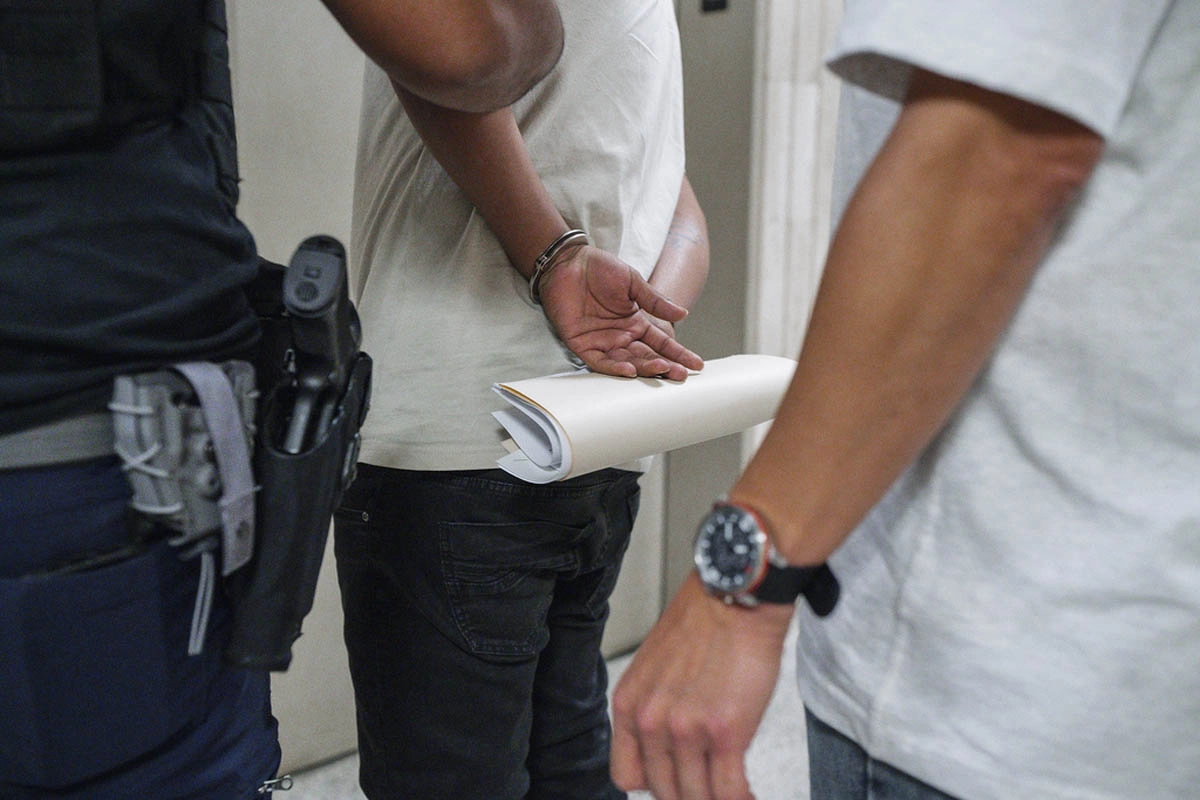

Since the operations of the Immigration and Customs Enforcement Service (ICE) increased in the United States, during the first six months of the year there were already close to 10,000 Salvadoran immigrants deported.
According to the General Directorate of Migration and Immigration (DGME), the official public institution in charge of executing immigration policy and controlling the flow of entry, stay and exit of people (both national and foreign), from January to June, 10,504 deportations of Salvadoran immigrants have been carried out, who at the time were detected as foreigners lacking legal status, mainly in two countries in America.
In a segmented manner, the DGME records indicate that 9,829 Salvadorans were expelled from United States territory during the first half of the year, which exceeds the 5,553 who faced the same problem between January and June 2025, that is, the number rose 73.8%.
Added to this figure are another 513 Salvadorans who were deported from Mexico during the same period, also exceeding the 454 cases reported a year earlier between January and June.
Deportations of Salvadorans from other countries also rose from 37 cases to 162 in a comparison between the first half of this year and the previous one.
This indicator of 337.8% more reflects an enormous demand from people trying to find better living conditions outside of El Salvador, this despite the fact that crime has decreased under the presidency of Nayib Bukele and his policy of locking up anyone linked to gangs in a maximum security prison.
On the other hand, deportations of Salvadorans continue to occur and in larger numbers, since DGME records show that during 2025, 16,051 Salvadorans were deported, a figure equivalent to 7.1% more than in 2024, when 14,986 people were reported sent back to San Salvador.
The concern of thousands of Salvadoran families is that, in September, the Trump administration will end the Temporary Protected Status (TPS) enjoyed by nearly 17,000 of their compatriots living in the United States since 2001, this after two earthquakes shook the Central American nation that year and then-President George W. Bush decided to provide them with that temporary benefit.
Since then, thanks to temporary work permits, hundreds of millions of dollars have arrived in El Salvador through remittances, which are truly the support of the economy, since in the Central American nation progress advances at an otherwise semi-slow pace, without well-paid job options.