

Elon Musk on Closing the X Office in Brazil: A Stand Against Censorship
Elon Musk explains the difficult decision to close the X office in Brazil, citing refusal to comply with secret censorship and private information demands from Brazilian authorities.
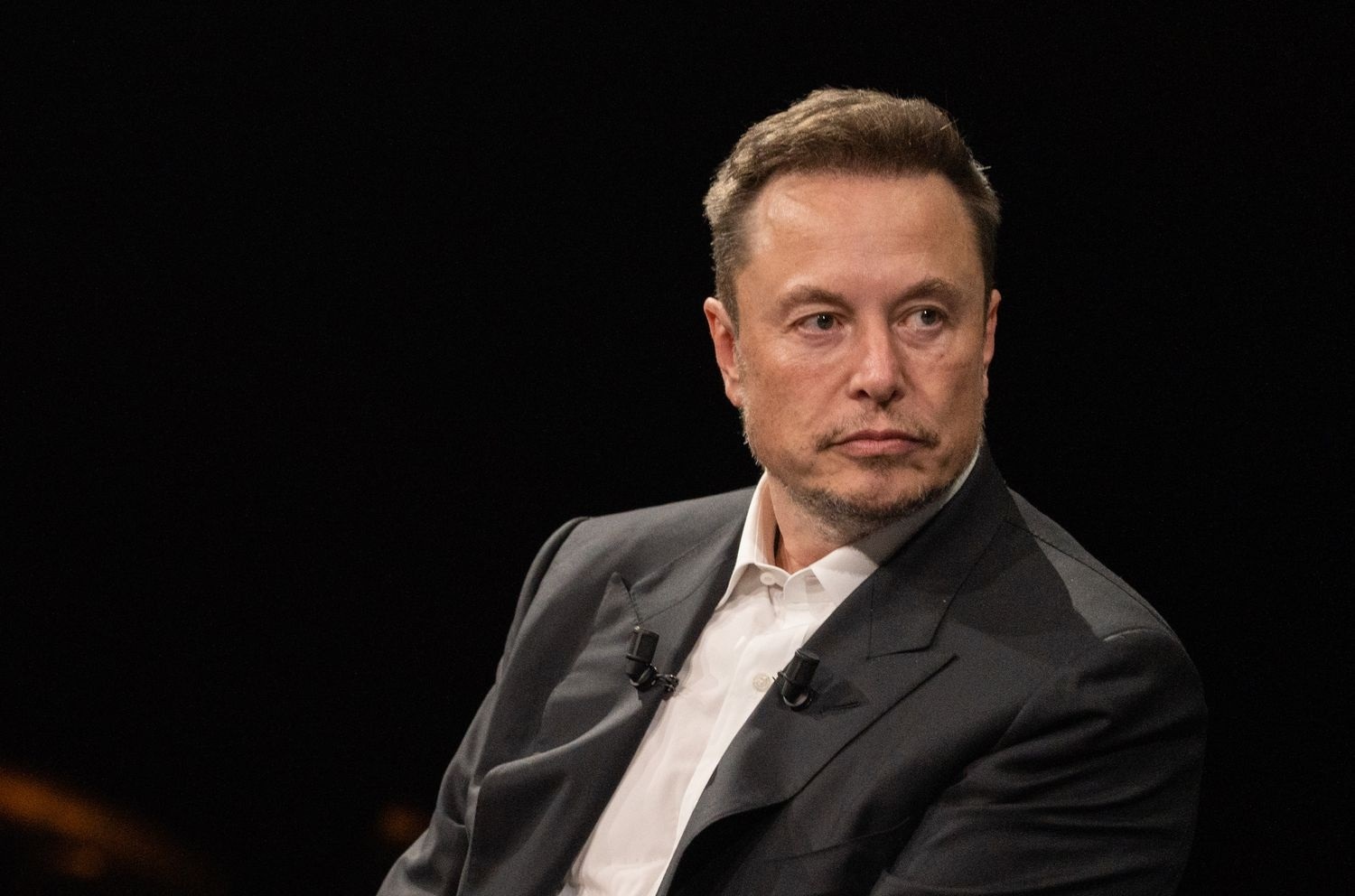

“The decision to close the X office in Brazil was difficult, but, if we had agreed to @alexandre’s (illegal) secret censorship and private information handover demands, there was no way we could explain our actions without being ashamed.”
In a recent tweet that has sparked widespread discussion, Elon Musk, the CEO of X, publicly addressed the closure of the company’s office in Brazil. The move, described by Musk as a “difficult” decision, was driven by a firm stance against complying with what he termed as “illegal” demands from Brazilian authorities. According to Musk, these demands included the implementation of secretive censorship measures and the handover of private user information without proper legal oversight.
The Controversy Behind the Closure
The decision to shut down the X office in Brazil has ignited debates across various platforms. Musk’s tweet specifically points to pressure from Alexandre de Moraes, a key figure in Brazil’s judiciary, who allegedly sought to impose censorship on the platform and access to private user data. This request, if accepted, would have forced X to compromise its core principles of free speech and user privacy, leading to a loss of trust among its global user base.
Musk’s tweet highlights the ethical dilemma faced by X: either comply with the Brazilian government’s demands and continue operations in the country or stand by its commitment to digital rights and privacy, even if it means closing down local offices. The company chose the latter, a move that Musk acknowledges as challenging but necessary to maintain the integrity of X’s global mission.
Implications for Tech and Privacy
Elon Musk’s stance has been met with both praise and criticism. Supporters of digital privacy and free speech have lauded the decision as a bold stand against government overreach and a reaffirmation of X’s commitment to protecting user rights. Critics, however, argue that the closure could disenfranchise Brazilian users, limiting their access to a crucial platform for communication and expression.
As tech companies increasingly find themselves at the intersection of global politics and digital ethics, decisions like this one set significant precedents. Musk’s tweet serves as a clear message that X, under his leadership, will prioritize ethical considerations over financial interests, even if it means making tough operational decisions.
A Broader Conversation on Censorship
The closure of the X office in Brazil and Musk’s public explanation have sparked a broader conversation about the role of tech companies in safeguarding digital rights. In a world where governments are increasingly seeking to control online narratives, the actions of X could inspire other platforms to take similar stands. This incident also underscores the ongoing challenges tech companies face in balancing compliance with local laws and the protection of global user rights.
Elon Musk’s tweet may have been brief, but it has opened the door to a much larger discussion about the responsibilities of tech giants in the modern world. As the digital landscape continues to evolve, the decisions made by leaders like Musk will undoubtedly shape the future of online freedom and privacy.