

The real life of a well-maintained engine can surprise you
Maintenance and driving habits can make the difference between a worn-out engine and one capable of hundreds of thousands of miles.
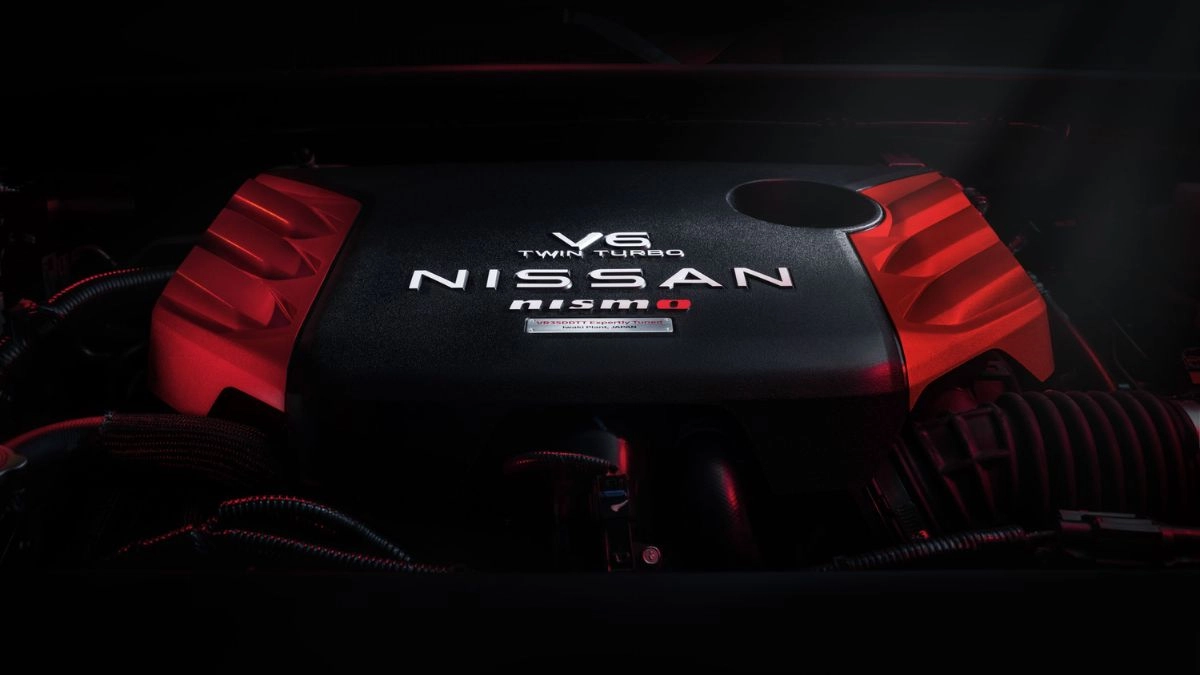

Few components generate as much peace of mind or concern as a car engine. After all, it is the mechanical heart of the vehicle and one of the most expensive parts to repair or replace. For this reason, many owners wonder how far it can go before starting to cause serious problems.
Read also: The best-selling car in the world is not electric nor is it Tesla
The answer depends on several factors, although there are figures that serve as a reference.
You can read: What the traffic sign with a frog means in the United States
Advances in engineering, materials and lubricants have allowed modern engines to be much stronger than those of a few decades ago.
The figure usually taken as a reference
According to data from the United States Environmental Protection Agency (EPA), a modern gasoline engine can reach about 200,000 miles before reaching the end of its expected useful life. Translated into normal use, that's roughly 13 to 14 years of driving for many owners.
However, this figure should not be interpreted as a definitive limit. There are numerous cases of vehicles that have far exceeded that mileage without requiring major engine repairs.
Diesel engines tend to stand out even more in this section. Thanks to their reinforced construction and design aimed at continuous work, they can travel greater distances as long as they receive adequate care.
Maintenance is still the key
The difference between an engine that ages well and one that accumulates premature failures is usually related to something very simple. Preventive maintenance.
Changing the oil when appropriate, replacing filters, monitoring fluid levels, and addressing small faults before they become major problems can significantly extend the life of your vehicle.
Among all these tasks, changing the oil occupies a fundamental place. This fluid reduces friction between internal parts, helps control temperature, and protects components from wear.
The way you drive matters too
Not everything depends on the workshop. Driving habits have a direct impact on the mechanical health of the engine.
For example, it is advisable to avoid strong acceleration as soon as the vehicle is started. Allowing a few moments for the oil to reach all moving parts helps reduce wear.
It is also advisable to allow the engine to reach its normal operating temperature before demanding maximum performance from it. Likewise, after long or demanding rides, leaving it running briefly before turning it off can promote better thermal stabilization.
Finally, periodically checking the oil level is a simple habit that can prevent costly breakdowns, especially in vehicles equipped with turbocharged engines.
In the end, the longevity of an engine does not depend solely on a figure written in a manual. Constant care, quality maintenance and responsible driving usually make the difference.
Therefore, reaching 200,000 miles is no longer an extraordinary feat for many current vehicles. With attention and good habits, some engines can continue to operate reliably far beyond what many drivers imagine.