

Gasoline in the US falls below $4 for the first time in three months, according to AAA
The price of gasoline stood at $3.99 amid a preliminary agreement between the US and Iran and the fall in the cost of oil
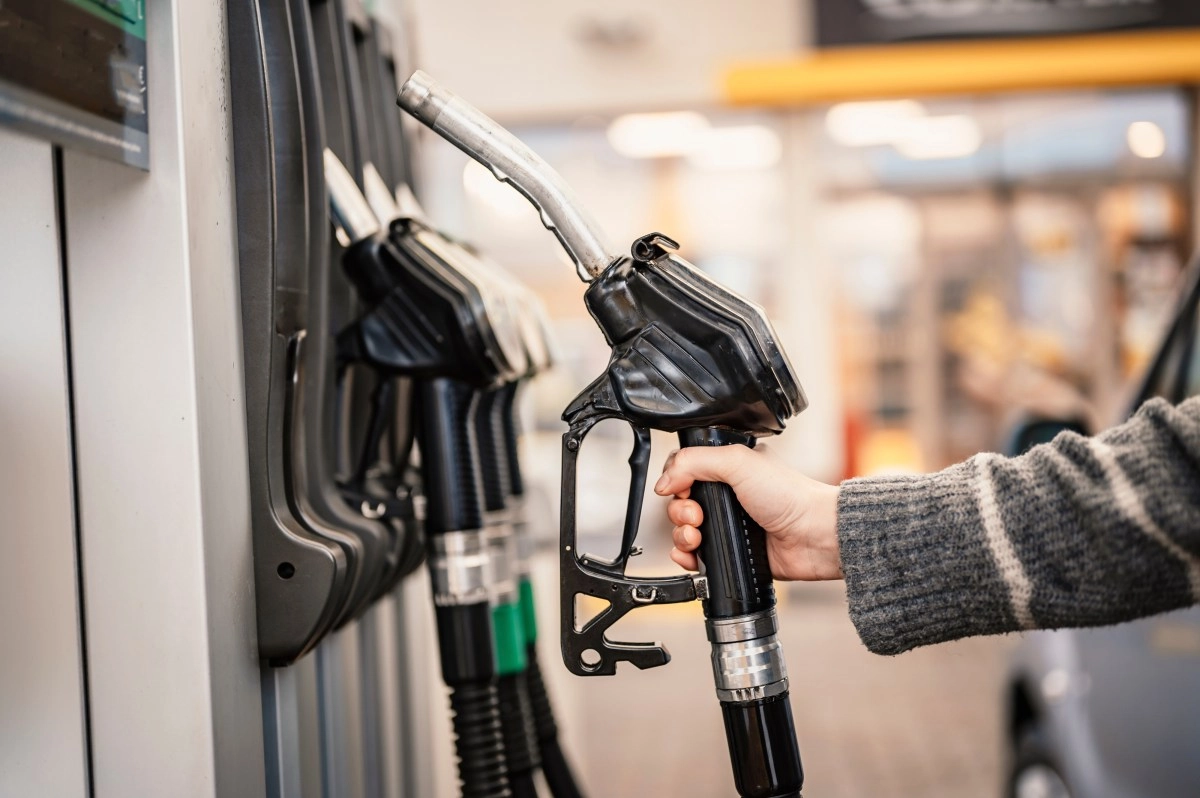

After three months above $4 per gallon, this Thursday the American Automobile Association (AAA) reported that the price of gasoline fell to $3.99 per gallon, this in the midst of a preliminary agreement between the United States and Iran to end the conflict that has caused higher energy prices in recent months.
The AAA report for this Thursday, June 18, highlights that mid-grade gasoline is located at $4.50; the premium one is $4.88, the diesel is $5.12 and the E85 is $3.08. However, the cost of fuel has not been the same in all states of the country; In recent weeks, residents of certain entities paid up to $6 per gallon at some pumps.
For example, in the case of California, Nevada, Oregon, Washington, Alaska and Hawaii, where costs were between $6.30 and $4.60 per gallon, at the end of this week they are between $5.64 and $4.28 per gallon.
For its part, at the beginning of this week the international crude oil benchmark, Brent, also fell to $78.46 per barrel, 1.4%, while the US benchmark oil West Texas Intermediate stood at $75.10 per barrel, 2.2%.
For specialists like Patrick De Haan, an oil expert at GasBuddy, the price of gasoline could continue to fall in the coming weeks, as long as positive negotiations between the United States and Iran are sustained. “One factor that could improve that timeline is if Iran is allowed to sell oil on the markets again, which could accelerate the recovery of global oil reserves,” De Haan says.
So far, the announcement of the agreement that took place at the Palace of Versailles, France, this Wednesday, June 17, 2026 during the G7 summit with the signature of President Donald Trump and Iranian President Masoud Pezeshkian is an important step towards the end of the conflict in the Middle East.
Although the negotiation will extend for a period of 60 days to reach a definitive agreement, among the 14 key points to be discussed is the reopening of the Strait of Hormuz, through which nearly 20% of the world's crude oil transits, in addition to the lifting of naval blockades in Iranian ports.