

Impact of Trump tariffs: these cars will rise in price
While some local brands like Tesla barely feel the blow, others could raise their prices up to $12,000
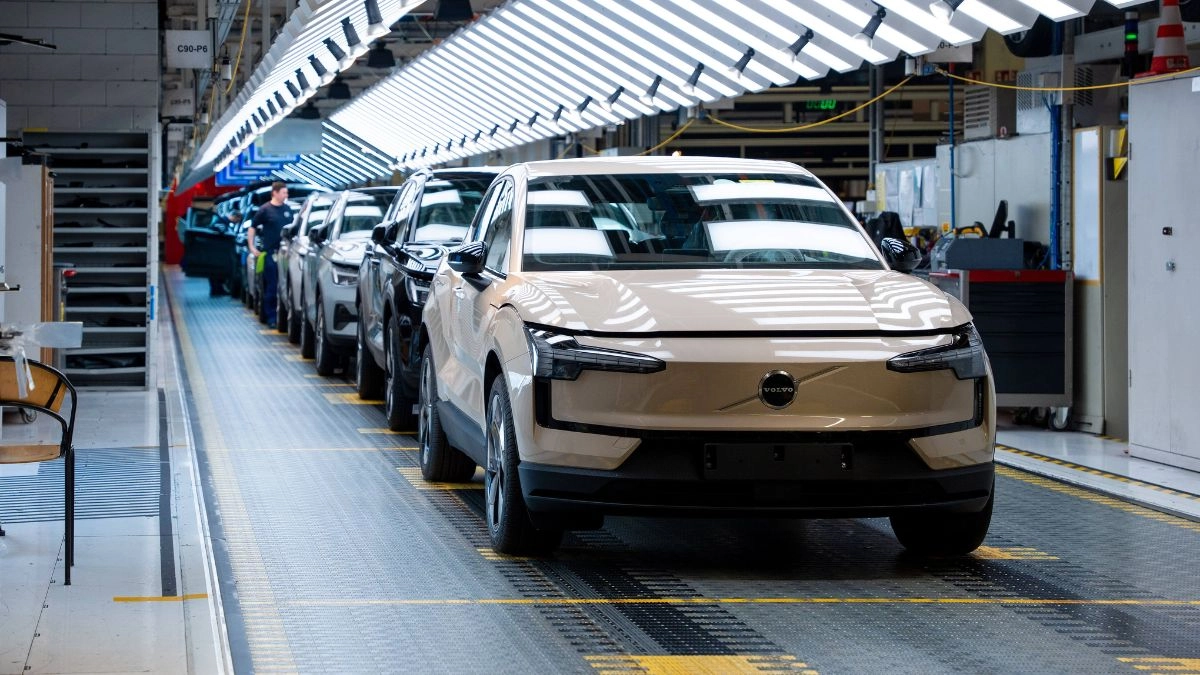

The automotive industry in the United States faces one of its biggest challenges in years. President Donald Trump's decision to impose a 25% tariff on imported vehicles and auto parts not only redefines trade relations, but also shakes up prices in the domestic market.
Also read: We tested the 2026 Toyota RAV4: new GR and Woodland versions
Despite some exceptions provided for by the USMCA treaty, the effect will be broad and, in many cases, difficult to avoid.
You can read: Ford recalled almost 200,000 Mustang Mach-Es due to door defects
The new scenario does not discriminate between established or emerging brands. Those companies that depend on components manufactured outside the US will have to assume higher costs, which will inevitably be passed on to the consumer. This occurs even when the vehicle in question was assembled within the country.
Consultants at the Anderson Economic Group estimate that prices could increase between $2,000 and $5,000 per unit.
It all depends on the import
In the case of SUVs or electric vehicles imported from Canada, Mexico, or Asia, the increase could reach up to $12,000. The extent of the impact will depend on the origin of the components and the assembly site.
Tesla, one of the biggest beneficiaries of its domestic production chain, reports a domestic content of up to 87%.
Its plants in Fremont, California, and Austin, Texas, allow it to face the new scenario with greater peace of mind. The brand estimates an increase of close to 3% in the price of its models, a substantial difference compared to Asian manufacturers.
Buick, which depends on more global production, estimates an average price increase of 22% for its units. Hyundai and Kia, which have operations partly based in South Korea and China, forecast a rise of between 21% and 22%.
For many brands, geographic diversification, which was once a strength, has now become a commercial obstacle.
The major impacts of this measure
The collateral effect also affects vehicles assembled within the country. Models like the Toyota RAV4 and the Honda CR-V, manufactured in North American plants, also incorporate imported parts that make them susceptible to the tariff. According to Cox Automotive, this could translate into increases of between $3,000 and $6,000 dollars.
Toyota already announced a $270 increase per unit starting in July, as reported by Reuters. Mitsubishi, for its part, will raise prices by 2.1%, both due to the new tariffs and accumulated inflationary pressure.
Ford also warned its dealers about possible increases, given that many of its units come from plants in Mexico and Canada, or depend on foreign auto parts.
The projected cost overruns for the first year are worrying: more than $30 billion dollars that will fall directly on consumers, with differences that could range between $2,500 and $20,000 dollars per vehicle, depending on the segment and brand. A scenario that threatens to slow the sector's recovery.
Despite this, the federal government has implemented relief mechanisms. Among them, a reduction of the tariff from 25% to 2.5% for models that have a high percentage of parts manufactured in the United States stands out.
Cars that comply with at least 85% of national origin are also exempt from the tariff. However, experts point out that these exceptions, although useful, do not completely neutralize the economic effects.
And now, what's next?
The impact of this policy is not limited to prices. It also forces automakers to redesign their supply chains.
Some companies have begun to evaluate an increase in local production, while others seek American suppliers to avoid penalties. However, these processes require considerable investment and implementation time.
The reaction of brands has been mixed. Those with consolidated infrastructure in the United States could benefit from the situation if they manage to keep their prices stable.
This is the case with Tesla, Jeep, and certain Honda and Ford models. On the contrary, companies with complex international structures will have to rethink their commercial and logistics strategy to survive.
The impact will also extend to the used car market. As the cost of new vehicles rises, increased demand for used cars is expected, which will push up prices. Increases are already being seen at regional auctions and independent dealerships. Despite the debate, the Trump administration maintains that the measure is necessary. According to White House spokespeople,This is a long-term strategy to "rebuild national industrial capacity" and reduce dependence on foreign markets, especially Asian ones. They add that the tariff is only one part of a broader plan that includes tax incentives and subsidies for local manufacturers.
In the medium term, some brands are considering new plants in the US or expanding existing ones to avoid the tariff impact. However, these structural solutions will take years to consolidate. In the meantime, the market will have to adjust to a more costly and competitive environment.
The measure also influences international competition. While brands like Tesla can gain a foothold, other manufacturers are seeking trade agreements that allow them to maintain competitive prices without sacrificing quality.
Everything points to a transformation of the North American automotive landscape, with winners and losers depending on their degree of adaptation.