

Tim Cook revealed how much money Apple loses by the war of tariffs with China
Apple CEO reported that, according to the company calculations, tariffs on China will have cost it about $1.9 billion by the end of September
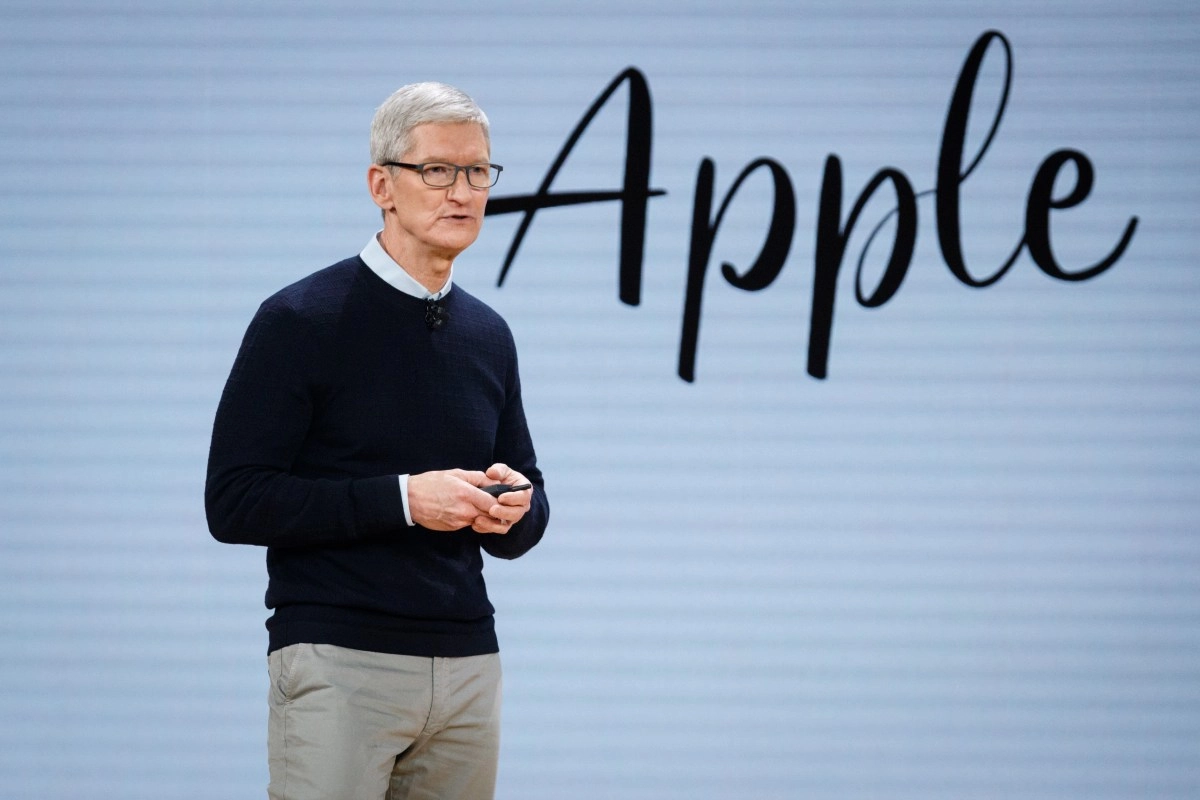

Apple will have to pay about $1 billion as a direct consequence of the recent tariffs imposed by the Trump administration on goods from China.
Tariffs related to devices assembled in China cost the company approximately $800 million in that quarter, CEO Tim Cook revealed during the company's fiscal third-quarter earnings call.
For the next period (July-September), Apple already anticipates an additional $1.1 billion in tariff costs. In total, that adds up to about $1.9 billion over two quarters, although it is commonly rounded up to that "billion" per quarter.
Cook explained that the majority of these costs stem from tariffs under the authority of the International Emergency Economic Powers Act (IEEPA), specifically applied to products linked to manufacturing in China. Since Apple remains heavily dependent on its production chain in China, that dependence translates into a direct impact on its operating expenses.
Although they have already moved some of their iPhone production to India (most iPhones sold in the US are are now manufactured in India, and products like Macs, iPads, and Watches are assembled in Vietnam), tariffs remain a significant burden.
Why does Apple have to take on this gigantic bill?
First, Apple is not acting as a passive importer: the tariffs imposed by the US pass through the company first, and while they may in practice be passed on to the consumer, they initially impact the operating margin. In the quarter ended in June, those $800 million reduced the gross margin despite the fact that revenue reached 94 billion (an increase of 10%).
Second, Cook noted that part of the increase in iPhone sales (13% year-over-year) was due to "advance buying" motivated by fear of future price increases due to tariffs. They estimate that about one percentage point of sales growth came from this early purchase effect. Despite this temporary boost, tariffs are still present and represent a real cost for the company. Finally, although Apple has diversified its production—India and Vietnam are increasingly gaining ground—many product lines remain linked to China. The full transition takes years and has additional costs: manufacturing in India or even the US isn't cheap and requires supply chain reorganization, supplier training, infrastructure, and contract renegotiations. Tim Cook explains how tariffs affect Apple's business. In the call with analysts, CEO Tim Cook offered specific details about the impact of the tariffs on Apple's results. He confirmed that they already assumed about $800 million in tariffs for the June 2025 quarter, down from the $900 million they had previously estimated, thanks to production shifts and logistics strategies.
For the July-September quarter, Cook projects tariffs will total about $1.1 billion, a notable increase that reflects the new reciprocal tariffs on imports from China (and possibly India).
He also noted that there was a push from pre-ordering by consumers, especially for iPhones, driving some growth early in the quarter. He explained that Apple expects to continue diversifying its supply chain, moving more assembly to India and Vietnam, although the majority of the volume still originates in China. yet.
While he admitted that total revenue was up 10% year-over-year and that iPhone sales grew 13%, he noted that margins are compressed by these expenses. Even so, Apple maintained gross margins of 46.5%, above expectations, thanks to the performance of services and products such as Macs and wearables.
With this data and Cook's statements, the picture is clear: Apple is effectively paying $1 billion per quarter due to US tariffs on China, and although part of that cost can be passed on or offset, the company is initially absorbing it. The decision to relocate production does not eliminate the impact immediately and is a gradual and costly process.