

A failure? The first Chinese Audi lost momentum
The new electric brand AUDI debuted with more than 10,000 reservations in half an hour, but the initial enthusiasm has quickly cooled in the Chinese market
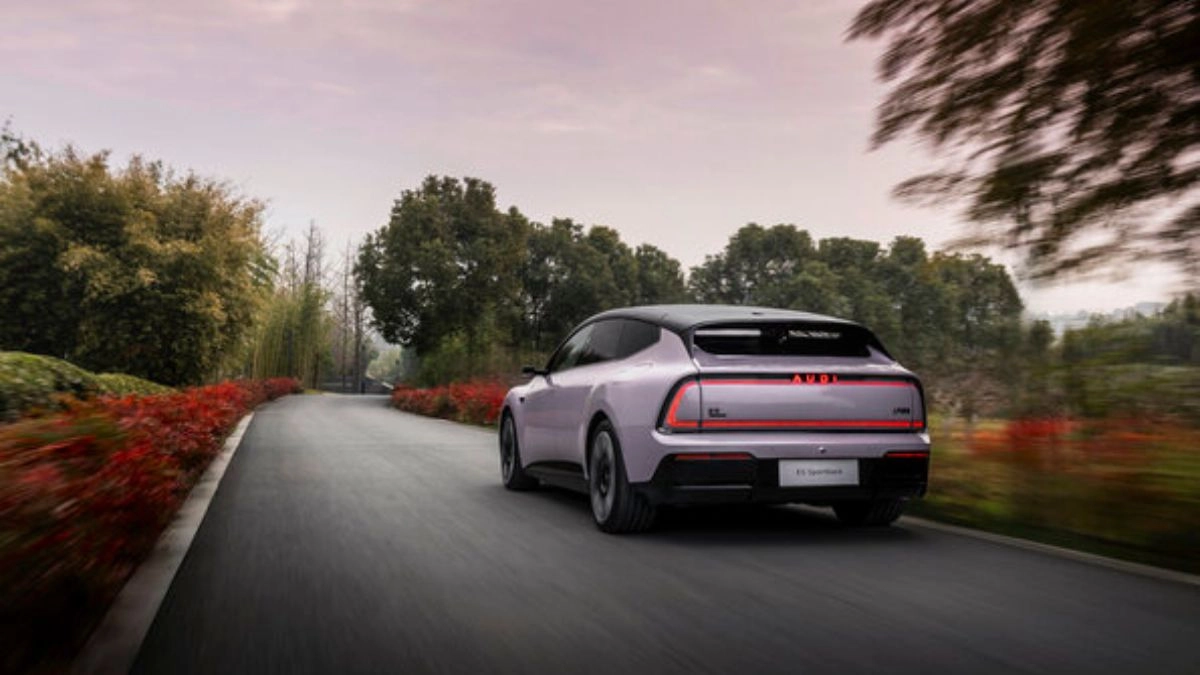

An idea designed to win over a new generation of customers is encountering more obstacles than expected. Audi made a big bet in China with a strategy unlike anything it had done before.
The brand decided to launch an electric sub-brand designed exclusively for that market, and with a detail that surprised many: the name is simply spelled AUDI and omits the famous four-ring logo.
You can read: This Chinese brand promises 400 km of charging in just 5 minutes
The strategy aimed to reach a younger audience, more connected to the digital world and accustomed to fast-evolving technology brands. However, the first few months of the project have yielded very different results than the German firm expected.
The contrast is striking because the beginning seemed promising. The first model of this new phase garnered enormous attention upon its commercial debut, but the subsequent reality at dealerships paints a much more complex picture.
A debut that seemed dazzling
The AUDI E5 Sportback was the first model from this new electric brand designed for the Chinese market. When it was officially unveiled in September of last year, it generated significant interest among buyers.
Initial figures fueled optimism within the company. In just 30 minutes, more than 10,000 reservations for the vehicle were registered, a pace that suggested Audi had found a formula capable of competing with local manufacturers.
That initial enthusiasm, however, failed to last. As the months passed, interest began to cool, and actual sales ended up showing a much more modest performance.
During the last four months of last year, 6,650 units were delivered. The start of this year has also not been particularly strong. In January, only 605 sales were recorded, a figure that has raised some concerns within the company.
An Increasingly Demanding Chinese Market
China has become the most intense battleground for the electric vehicle industry. Dozens of manufacturers compete there, launching new models at a rapid pace and with a very aggressive pricing strategy.
Local brands have significantly raised the technological level of their vehicles. In addition to offering electric cars, many companies have built complete digital ecosystems that include connected services, frequent updates, and integrated intelligent systems.
Audi is trying to adapt to this pace through its collaboration with the Chinese manufacturer SAIC. This alliance aims to accelerate the development of new products and shorten time to market.
Even so, the competition remains fierce. Even established giants in the Chinese market face pressure to maintain their market share against new players who are constantly emerging.
A Strategy That Raises Doubts
Another factor that could be affecting the model's acceptance has to do with the brand's identity. The decision to eliminate the four rings and launch a new name simply called AUDI has generated some confusion among buyers. For many customers, the traditional emblem represents prestige and brand value. With the disappearance of that symbol, some consumers have begun to question aspects such as the vehicle's status or even its future resale value. The price also doesn't place the model in a clearly dominant position against local rivals. The AUDI E5 Sportback has a starting price of around $32,000 at the current exchange rate. That figure isn't particularly high for an electric vehicle, but it also doesn't stand out against the offerings from Chinese manufacturers who typically compete with aggressive discounts and very complete equipment packages. The performance of the new electric vehicle project in China represents a significant challenge for Audi. The Asian country has been one of the group's most profitable markets for years, so any sign of weakness is a cause for concern regarding its global strategy. The company has invested enormous resources in this new phase and is confident that the collaboration with SAIC will accelerate the development of more competitive models. If sales do not improve, analysts believe that Audi may be forced to review some key elements of its strategy. Possibilities include price adjustments, faster technological upgrades, and even the return of the traditional four-ring logo to recover some of the symbolic value that has always been associated with the brand.