

Businesses in Charlotte trying to survive amid the ICE threat
The raids in different parts of the country are part of the mass deportations imposed by Donald Trump
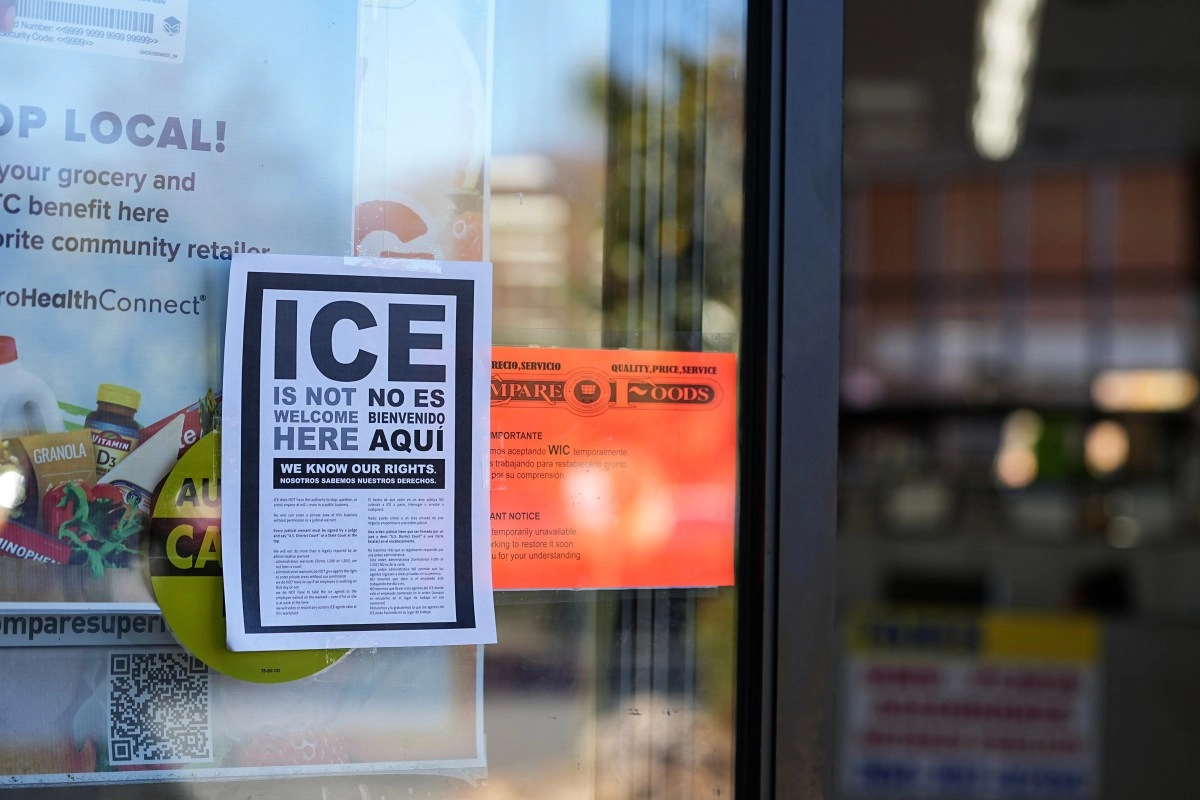

The small business community in Charlotte, North Carolina, is deeply shaken after the federal immigration operation known as Operation Charlotte Web, which has left streets deserted and numerous businesses temporarily closed. The intervention has generated fear among business owners and immigrant residents, affecting local economic activity. The Department of Homeland Security (DHS) reported that, as of the evening of November 19, more than 250 people had been arrested in the first four days of the operation, demonstrating the scale of the deployment and the intensity of the raids in various neighborhoods of the city. City officials and business owners have indicated that the presence of the US Border Patrol has drastically reduced the flow of customers and employees, leaving commercial areas almost empty. The disruption of daily activity threatens the economic pulse of Charlotte, a city known for its entrepreneurial dynamism. Charlotte's interim mayor, Dante Anderson, warned Newsweek about the negative impact on the local economy. "Charlotte is an economically dynamic city. We have a strong small business community," he explained, emphasizing that the federal operation could affect both the continuity of long-established businesses and consumer confidence.
Temporary Closures and Fear in the Streets
Many local businesses, concerned about the safety of their employees and customers, posted “closed until further notice” signs on the first day of the raids. Manolo's Bakery, a 28-year-old establishment in East Charlotte, temporarily closed its doors. Its owner, Manolo Betancur, stated that he didn't want to risk the safety of his customers.
“I saw uniformed officers stopping people on the street, handcuffing them, and taking them away in vehicles. It was terrifying, and some of them were my customers,” Betancur noted. The businessman emphasized that his work goes beyond selling products: "I sell cakes, I sell happiness, I sell love. And the last thing I want is for a child to lose their father or mother."
The raids are part of a federal policy of mass deportations, implemented after President Donald Trump's promises to expel millions of undocumented immigrants.Local business owners like David Rebolloso report drops of up to 50% in customer traffic, affecting revenues especially in neighborhoods with a high Latino population.
Jennifer Roberts, former mayor of Charlotte, noted that even legal workers and US citizens are staying home for fear of being mistakenly identified. Financial losses include temporary closures of tire shops, halted construction projects, and reduced hours at restaurants, demonstrating the widespread economic impact.
Immigrants' Contribution to the Economy
North Carolina has a significant immigrant population, representing 12% of the workforce and 14.9% of local entrepreneurs.
In addition, undocumented immigrants contribute approximately $692 million in state and local taxes, according to reports from the state's Budget and Taxation Center. The Carolina Forward investigation team calculated that undocumented immigrants pay between $258 and $360 million annually in combined state sales, property, and income taxes. Experts warn that mass deportations would reduce these revenues, impacting public services and local fiscal stability. Dante Anderson emphasized the community's concern: "They are not sharing information about the objectives or criteria of the operation. It seems they are simply stopping people on the street to ask for identification," highlighting the perception of repressive and discriminatory tactics during the operation. Undocumented immigrants contribute approximately $692 million in state and local taxes, according to reports from the state's Budget and Taxation Center. The Carolina Forward investigation team calculated that undocumented immigrants pay between $258 and $360 million annually in combined state sales, property, and income taxes. Experts warn that mass deportations would reduce these revenues, impacting public services and local fiscal stability. Dante Anderson emphasized the community's concern: "They are not sharing information about the objectives or criteria of the operation. It seems they are simply stopping people on the street to ask for identification," highlighting the perception of repressive and discriminatory tactics during the operation. Undocumented immigrants contribute approximately $692 million in state and local taxes, according to reports from the state's Budget and Taxation Center. The Carolina Forward investigation team calculated that undocumented immigrants pay between $258 and $360 million annually in combined state sales, property, and income taxes. Experts warn that mass deportations would reduce these revenues, impacting public services and local fiscal stability. Dante Anderson emphasized the community's concern: "They are not sharing information about the objectives or criteria of the operation. It seems they are simply stopping people on the street to ask for identification,” highlighting the perception of repressive and discriminatory tactics during the operation.