

Chevrolet Equinox EV, recall for being too quiet
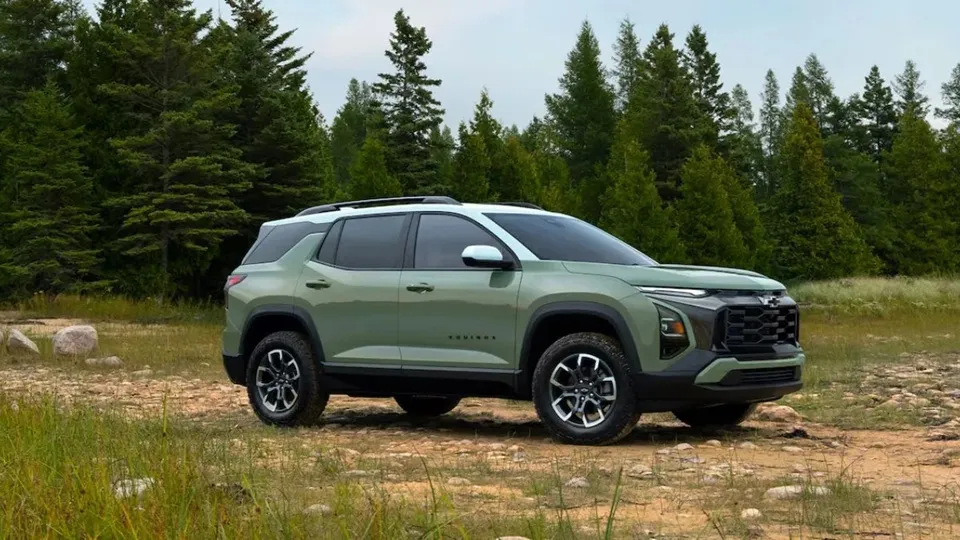
The 2024 Chevrolet Equinox EV faces a recall in the United States because its electric motor does not make the sound necessary to warn pedestrians and cyclists

With the expansion of electric vehicles, new safety challenges arise that were previously nonexistent. One of them is the absence of mechanical noise when driving, something that occurs naturally in combustion cars.
Also read: To take advantage: GM and Ford lower prices on their electric vehicles
Chevrolet has identified that its 2024 Equinox EV is too quiet, which represents a risk for pedestrians, cyclists and other road users. This phenomenon has led the brand to issue a voluntary recall of 23,700 units in the United States.
You can read: Do you know what the letters on Lexus cars mean?
The problem, according to the National Highway Traffic Safety Administration (NHTSA), is that the decibels emitted by the Equinox EV do not meet the minimum standards required for electric vehicles traveling at low speeds. This is not a traditional mechanical defect, but rather an acoustic alert issue for road safety.
As electric cars become quieter, manufacturers must add artificial sound systems. Chevrolet, like other manufacturers, implements software that activates an external noise when the vehicle travels between 6 mph and 10 mph, especially useful in urban areas or with a high presence of pedestrians.
However, some models of the 2024 Equinox EV do not emit the appropriate decibel level, leaving people unprepared in front of the passing vehicle.
A rare, but necessary recall
Electric vehicle recalls are usually related to batteries, electrical systems, or software glitches that affect driving. In the case of the Equinox EV, the situation is unusual because it poses a safety risk due to the lack of sound.
When electric cars travel at low speeds, pedestrians rely on external noise to perceive their presence. Children playing, People walking or pets on the streets might not notice the vehicle in time, increasing the risk of accidents. Therefore, although it may seem like a minor measure, the recall of the Equinox EV is a crucial procedure to ensure road safety. Chevrolet is already notifying affected owners and, according to the brand,The solution will be primarily through software updates. Technicians will evaluate each vehicle to confirm that the external sound system is working properly and, if not, they will calibrate the software to meet the required decibel limits. Detecting the problem Detecting the defect in the Equinox EV is relatively simple. Chevrolet recommends starting the vehicle between 6 mph and 10 mph and checking if the outside sound is heard. If the car remains silent or emits too low a sound, the vehicle will be recalled.
Unlike other mechanical issues, this one isn't reflected in dashboard alerts or the internal diagnostic system, so owners must rely on the low-speed driving test. Once identified, the software will be updated to ensure the external noise meets safety standards.
This measure isn't unique to Chevrolet. Other EV manufacturers have faced similar situations and have resolved the issues through software updates or audio system tweaks. The difference with the Equinox EV is that the recall affects a considerable number of units and occurs shortly after the launch of the 2024 model.
Impact on users and market
The recall of the 2024 Equinox EV generates uncertainty among the first buyers of this model. Despite the fact that the vehicle is fully functional and safe in terms of electric driving, the lack of adequate sound represents a tangible risk to pedestrians, especially in dense urban environments.
Chevrolet's procedure will allow owners to receive instructions on how to go to the authorized workshop or update the software remotely, depending on the vehicle version. The brand assures that there will be no additional costs for users, as the responsibility for safety falls on the manufacturer. This type of recall also highlights that, as the automotive industry moves toward electric mobility, new regulations and safety controls are required. Artificial sound systems have become an indispensable tool for avoiding accidents, and their correct calibration is as important as any other passive or active safety element.