

Mr. Pibb, Coca-Cola's rebellious soft drink, returns more than 50 years later
Cherry flavor, a spicy kick, and more caffeine: Coca-Cola brings back Mr. Pibb, the rebellious soft drink that survived decades in the memories of fans
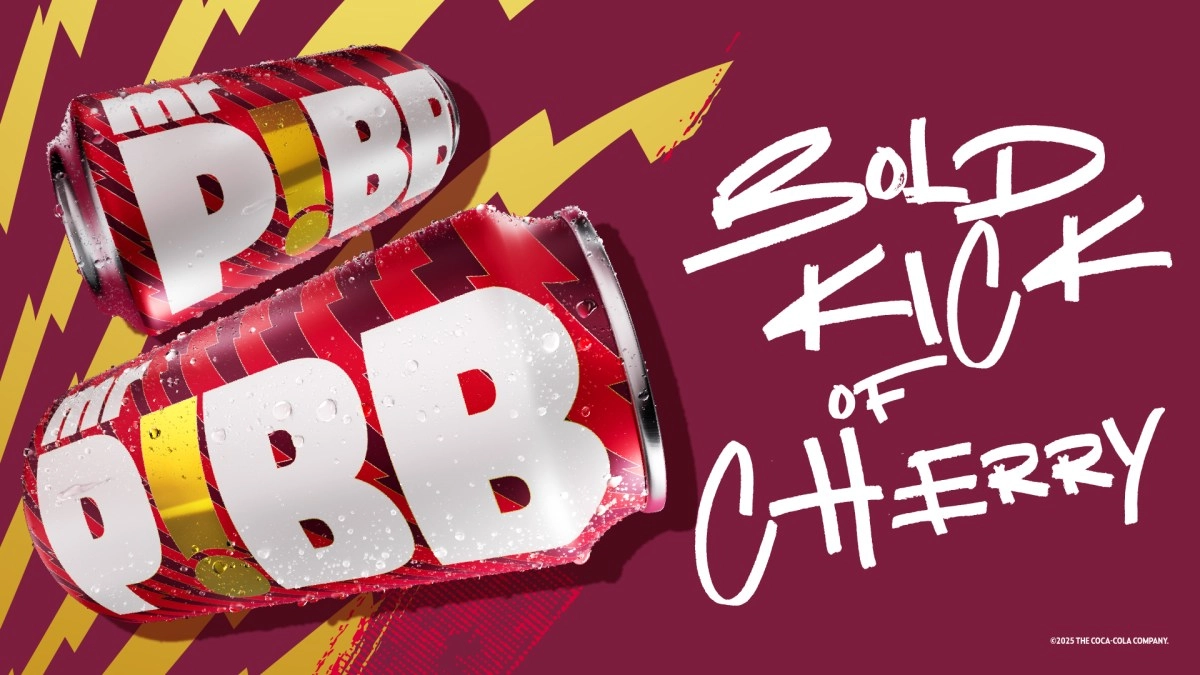

It was on US shelves for almost three decades. Discreet, but there. Then it vanished. Now Mr. Pibb is back: the cherry-flavored soda that Coca-Cola launched to compete with Dr Pepper returns with a new look, more caffeine, and a clear focus on nostalgia. The relaunch kicks off in 2025 in Florida, Chicago, Las Vegas, Michigan, and California, where it can already be found on supermarket and retail store shelves. It's a name many recognize, but few remember drinking it frequently. From Peppo to Mr. Pibb: In 1972, Coca-Cola wanted its own version of Dr Pepper, that Texas soda with a spicy flavor and devoted fans. They launched Peppo, but Dr Pepper Co. sued them for trademark infringement, and they had to change the drink's name to Mr. Pibb. The slogan was: "It's not a cola, it's something else." The idea was to differentiate themselves in a market that was already saturated. Mr. Pibb was left in no man's land. It wasn't tail. Nor was it root beer. It couldn't even be called a fruit soda without being a little misleading. Its flavor mixed cherry with notes of caramel and spice. That ambiguity was what made the product interesting, and also what prevented it from taking off.
Years of Regional Cultism
During the eighties and nineties, Mr. Pibb was sold mainly in the South and Midwest of the country. It was never a national success, but it was a kind of local symbol of pop rebellion. Many associated it with gas stations, movie theaters, or college campuses.
In 2001, Coca-Cola redesignated the brand as Pibb Xtra. It added more caffeine and completely changed the aesthetic. For many of its consumers, it was no longer the same. The brand began to disappear from several states and survived only in vending machines.
The soda disappeared from the shelves, but its myth survived online. On Reddit forums like r/Soda and r/Nostalgia, collectors shared photos of vintage cans or searched for the last remaining stock at rural gas stations. Mr.Pibb became a quiet cult object, sustained by digital memory,generating a phenomenon similar to what led Pepsi to bring back its Crystal, or when Mountain Dew rescued Code Red, and each generation seems to reclaim its own lost flavor.
The Calculated Return
Coca-Cola isn't reviving Mr. Pibb out of sentimentality. The context is more practical than that. The company recently lost distribution rights to Dr Pepper in several regions and needed a quick replacement for soda fountains and shelves. Mr. Pibb fills that role without having to build a brand from scratch.
Reviving a dormant brand costs less than creating a new one, and allows experimentation with younger audiences without risking core products.
The new Mr. Pibb returns in two versions: regular and Zero Sugar
The company describes it as a Bold Kick of Cherry: intense cherry, caramel notes, and a spicy finish. The formula has 30% more caffeine than the Pibb Xtra that preceded it. The can design—deep maroon with gold accents and an exclamation mark—recaptures its classic identity under what the company calls a “new-stalgic” aesthetic: new but nostalgic. Fan communities didn't bring it back, but they did create enough buzz online. In a data-driven industry, those digital traces are worth more as proof that someone still remembered it than as actual influence. An experiment that never quite took off. Mr. Pibb tried to be the rebellious soft drink of the seventies. In the 2000s, its modernization diluted it. In 2025, it returns as a curiosity in a culture that recycles flavors and logos. The average consumer will see a curious fact: a drink they might remember from their childhood. The industry will see something else: a textbook case of “remarketing,” where brands explore their archives looking for what they can resell. Mr. Pibb now competes against the memory of himself, against what people think they knew. Its value lies less in the flavor than in the feeling of rediscovering something familiar that seemed lost. National Expansion in 2026 According to a company statement, starting in late October, Mr. Pibb and Mr. Pibb Zero Sugar will arrive regionally on shelves in 12- and 20-ounce bottles at participating US retailers (West Coast, Midwest, and Florida), with plans for expansion in early 2026. Mr. Pibb will also be available in 2-liter bottles. Coca-Cola plans to take Mr. Pibb nationwide next year, with events on college campuses and at music festivals. The campaign features the voice of comedian Roy Wood Jr. and an ironic tone aimed at multicultural Gen Z: Young people who grew up between the internet and retro aesthetics.
The irony is that Mr. Pibb was never a success. His myth stems from being an anomaly within the Coca-Cola empire. This comeback isn't about redeeming him: it's about capitalizing on his rarity, turning nostalgia into a marketable product.
Coca-Cola is betting that remembering something lost is worth more than discovering it for the first time. The market will tell if consumers who want carbonated soft drinks with extra caffeine end up embracing Mr. Pibb again.