

Reliable cars of 2026: those that age well
Reliability is once again a key factor in car purchases in 2026. Far from trends, the models that lead the rankings stand out for other aspects

As the automotive market prepares for the start of 2026, the discourse surrounding cars is changing.
After several years dominated by With accelerated innovation, giant screens, and experimental systems, more and more buyers are rethinking their priorities. The question is no longer which model has the most technology, but which one will still be able to function reliably in 10 years.
The most recent analyses of the US market confirm this trend. Structural and mechanical reliability has become the main deciding factor, surpassing even design or performance. In a context of rising maintenance costs and increasingly complex repairs, real durability has become the new luxury.
This change in mindset benefits brands that opted to perfect what already exists instead of reinventing everything at once.
Toyota regains leadership before the new cycle
One of the most relevant moves heading into 2026 is Toyota's return to first place in the reliability rankings. The Japanese brand didn't get there by chance, but thanks to a strategy of continuous improvement and refinement applied to key models in its lineup. Cases like the Tundra and Tacoma are illustrative. Their new turbocharged four-cylinder engines initially raised concerns, but Toyota reacted quickly, refining components and adjusting processes under its well-known Kaizen philosophy. Looking ahead to 2026, these engines demonstrate a level of stability comparable to that of traditional naturally aspirated engines. The result is clear: Toyota is once again positioning itself as a benchmark for those seeking a vehicle that ages well, even in a context of technological transition. Conventional hybrids:The safest bet for 2026
Although full electrification continues to dominate the global discourse, the data leading up to 2026 tells a different story. Conventional hybrids, or HEVs, are establishing themselves as the most robust technology on the market, registering 26% fewer problems than exclusively gasoline-powered cars.
The explanation lies in their architecture. In a conventional hybrid, the electric motor absorbs a significant portion of the effort in urban traffic and low-speed situations, reducing wear and tear on the combustion engine. This translates into a longer lifespan and fewer accumulated failures over the years.
Models like the Toyota Corolla Cross or the Grand Highlander Hybrid embody this philosophy. They don't aim to be disruptive, but rather efficient, predictable, and resilient—qualities highly valued by those planning to keep their vehicle for the next decade.
When Technology Becomes a Problem
Not all electrified solutions are well-positioned by the start of 2026. Plug-in hybrids, or PHEVs, appear to be the market's weak point in terms of reliability, with 146% more failures than conventional hybrids.
The reason is structural: integrating two complete propulsion systems into a single vehicle considerably increases complexity. Each additional component is a potential point of failure, especially when the technology is still maturing.
Some brands traditionally recognized for their quality have suffered in this area. The case of the Mazda CX-90 PHEV serves as a reminder that even manufacturers with a good track record can stumble when they adopt overly ambitious solutions. For the buyer looking ahead to 2026, the message is clear: unnecessary complexity often works against you.
Subaru and BMW: Two Different Paths to Reliability
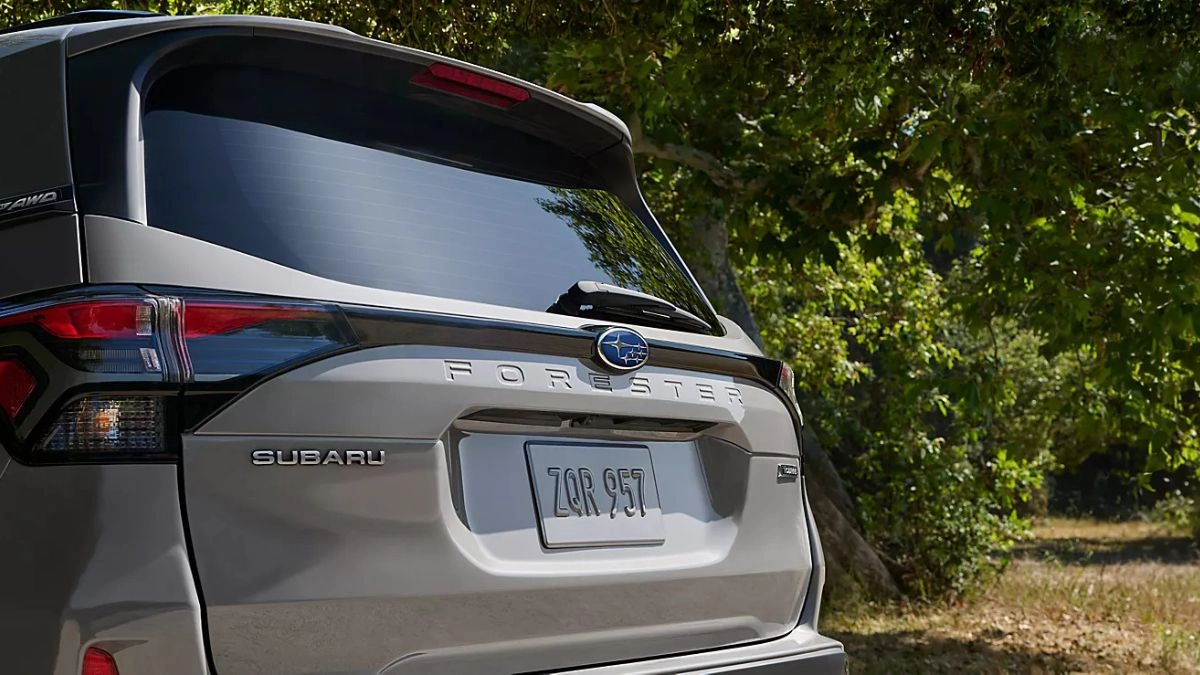
Subaru remains an example of consistency heading into the new cycle. The Impreza, with its naturally aspirated boxer engine and a CVT transmission refined over years, is shaping up to be one of the most reliable cars for 2026. It doesn't stand out for spectacular figures, but rather for its ability to run smoothly for long periods.
In the premium segment, BMW manages to break into the top ranks thanks to a key strategic decision: prioritizing mechanics over digital spectacle. Its modular B48 and B58 engines, combined with the 8-speed ZF automatic transmission, form one of the most solid powertrains of the last decade.
However, reliability in the luxury segment has its nuances. Although these models experience fewer breakdowns, their maintenance costs remain high compared to mainstream brands.This is where Toyota and Honda maintain a clear advantage thanks to readily available spare parts and a highly trained service network.
What to buy with the next 10 years in mind
Looking ahead to 2026, the recommendation for those who prioritize durability is clear: choose models with mature platforms and thoroughly tested mechanics. Vehicles that are at the end of their generational cycle are generally safer bets than recent releases.
The Toyota Corolla is a classic example. After years of tweaks and improvements, it presents itself as a finished product, without surprises or recurring issues. These types of vehicles, while less flashy, are ideal for those who plan to keep their car for a decade or more.
At the opposite end of the spectrum, first-generation electric vehicles from traditional brands still face software challenges that can affect their everyday usability.
For many buyers, these models remain a risky bet heading into 2026.
The Most Reliable Models Heading into 2026
According to the latest data from Consumer Reports, these are the cars that are best positioned at the start of the 2026 model year. The pattern is clear: mechanical simplicity, mature hybridization, and years of accumulated development.