

Surprise: The Ram Dakota returns and targets the midsize segment
After more than a decade out of the US market, Ram confirms the return of the Dakota. The historic midsize pickup will return as a 2028 model
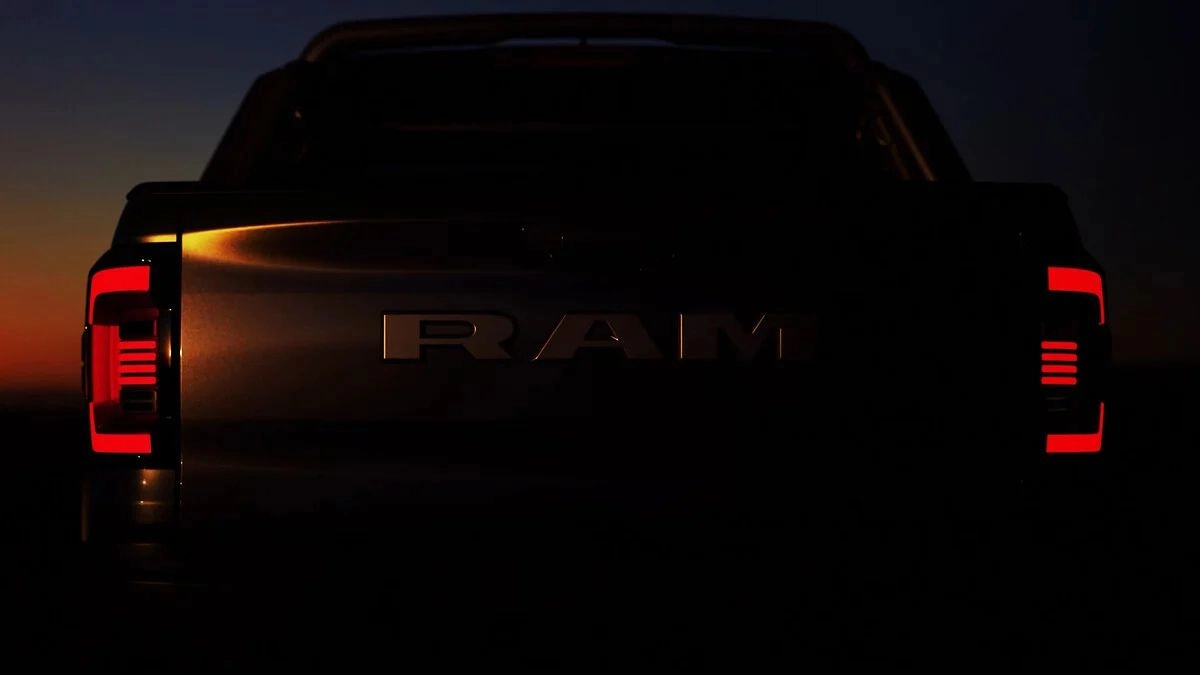

Fifteen years may seem like an eternity in the automotive industry, but some names never truly disappear. Dakota is one of them. While the midsize pickup segment was strengthening and gaining prominence in the United States, Ram watched as a space it once successfully occupied continued to grow without its presence.
Now, the brand decides to close that gap and officially confirms the return of the Dakota, a truck that comes back with the mission of recovering lost ground and becoming relevant again in one of the most competitive niches of the market.
The announcement doesn't come in isolation. This is part of a broader strategy driven by Stellantis, which seeks to restore Ram's prominence in a context where pickups remain the most in-demand vehicle type in the country. With solid sales in the full-size segment, the brand understood it needed to once again offer an intermediate option, capable of attracting both urban users and those seeking a versatile vehicle for work and recreation. The return of a name with its own weight. The confirmation came during a meeting with the specialized press in Detroit, where Tim Kuniskis dispelled any speculation. The Ram CEO was direct in announcing that the midsize pickup will reclaim the Dakota name, an emblem that still retains recognition among American buyers. For Kuniskis, the choice was clear and he summed it up with a simple phrase: “an obvious decision.” The Dakota originally debuted under the Dodge brand and remained in production for several generations, until its discontinuation in 2011 as the Dodge Dakota. Throughout its history, it managed to position itself as a balanced alternative between compact and full-size pickups, with a profile that many users still remember fondly.
A segment that continues to grow
The return of the Dakota responds to an undeniable reality: the midsize pickup segment is more competitive than ever. Models like the Toyota Tacoma, the Ford Ranger, and the Chevrolet Colorado dominate a segment of the market where demand not only remains steady but grows year after year.
Ram seeks to return to this arena with a proposition that combines heritage, technology, and a tuning specifically designed for local tastes.
The upcoming Dakota will be positioned below the Ram 1500, offering a more compact and accessible alternative without sacrificing robustness or key capabilities.
Designed for the United States
One of the highlights of the announcement is that the new Ram Dakota will be developed exclusively with a focus on the US market.
Unlike other strategies within the Stellantis group, the brand assures that it will not be a direct adaptation of global platforms or models designed for other continents.
This "made for USA" approach aims to satisfy very specific demands of the local market, such as good towing capacity, comfort for daily use, advanced driver assistance systems, and durability suited to demanding jobs. Ram intends for the Dakota to be a valuable tool for both the work week and weekend getaways.
What to expect mechanically
For now, the brand has not confirmed detailed technical specifications. However, all indications are that the new Dakota's lineup will include four- and six-cylinder gasoline engines, in line with what its main rivals already offer. The inclusion of hybrid or mild-hybrid versions is also not ruled out, an increasingly strong trend within the segment. Partial electrification would allow for improved fuel efficiency without compromising performance, a key point for competing with the most modern offerings on the market. This approach would also help Ram comply with increasingly stringent regulations without losing the powerful DNA that characterizes the brand. The timeline is already set. Ram plans to officially unveil the new Dakota in 2027, while its arrival at dealerships will be as a 2028 model.The upcoming Dakota will be positioned below the Ram 1500, offering a more compact and accessible alternative without sacrificing robustness or key capabilities.
Designed for the United States
One of the highlights of the announcement is that the new Ram Dakota will be developed exclusively with a focus on the US market.
Unlike other strategies within the Stellantis group, the brand assures that it will not be a direct adaptation of global platforms or models designed for other continents.
This "made for USA" approach aims to satisfy very specific demands of the local market, such as good towing capacity, comfort for daily use, advanced driver assistance systems, and durability suited to demanding jobs. Ram intends for the Dakota to be a valuable tool for both the work week and weekend getaways.
What to expect mechanically
For now, the brand has not confirmed detailed technical specifications. However, all indications are that the new Dakota's lineup will include four- and six-cylinder gasoline engines, in line with what its main rivals already offer. The inclusion of hybrid or mild-hybrid versions is also not ruled out, an increasingly strong trend within the segment. Partial electrification would allow for improved fuel efficiency without compromising performance, a key point for competing with the most modern offerings on the market. This approach would also help Ram comply with increasingly stringent regulations without losing the powerful DNA that characterizes the brand. The timeline is already set. Ram plans to officially unveil the new Dakota in 2027, while its arrival at dealerships will be as a 2028 model.The upcoming Dakota will be positioned below the Ram 1500, offering a more compact and accessible alternative without sacrificing robustness or key capabilities.
Designed for the United States
One of the highlights of the announcement is that the new Ram Dakota will be developed exclusively with a focus on the US market.
Unlike other strategies within the Stellantis group, the brand assures that it will not be a direct adaptation of global platforms or models designed for other continents.
This "made for USA" approach aims to satisfy very specific demands of the local market, such as good towing capacity, comfort for daily use, advanced driver assistance systems, and durability suited to demanding jobs. Ram intends for the Dakota to be a valuable tool for both the work week and weekend getaways.
What to expect mechanically
For now, the brand has not confirmed detailed technical specifications. However, all indications are that the new Dakota's lineup will include four- and six-cylinder gasoline engines, in line with what its main rivals already offer. The inclusion of hybrid or mild-hybrid versions is also not ruled out, an increasingly strong trend within the segment. Partial electrification would allow for improved fuel efficiency without compromising performance, a key point for competing with the most modern offerings on the market. This approach would also help Ram comply with increasingly stringent regulations without losing the powerful DNA that characterizes the brand. The timeline is already set. Ram plans to officially unveil the new Dakota in 2027, while its arrival at dealerships will be as a 2028 model.
What to expect mechanically
For now, the brand hasn't confirmed detailed technical specifications. However, everything indicates that the new Dakota's range will include four- and six-cylinder gasoline engines, in line with what its main rivals already offer. The inclusion of hybrid or mild-hybrid versions is also a possibility, an increasingly strong trend within the segment.
Partial electrification would allow for improved fuel efficiency without compromising performance, a key point for competing with the most modern offerings on the market. This approach would also help Ram comply with increasingly demanding regulations, without losing the powerful DNA that characterizes the brand.
The timeline is already set. Ram plans to officially unveil the new Dakota in 2027, while its arrival at dealerships will be as a 2028 model.