

US runs out of new cars for less than $20,000
Inflation, regulations and changes in consumption explain why cheap cars are, officially, a thing of the past

The entry price to the new car market in the United States has changed definitively. What for years was a clear benchmark—buying a vehicle for under $20,000—is no longer possible.
Starting in 2026, that price will no longer appear in manufacturers' official catalogs, marking a turning point for buyers seeking basic, low-cost mobility.
This change didn't happen overnight. Over the last decade, prices have been rising gradually but steadily. Even so, small, simple models managed to stay within the $15,000 to $18,000 range, serving as a real option for students, new families, or workers who needed a new car without going into excessive debt. That era is over.
The Nissan Versa, the last to resist
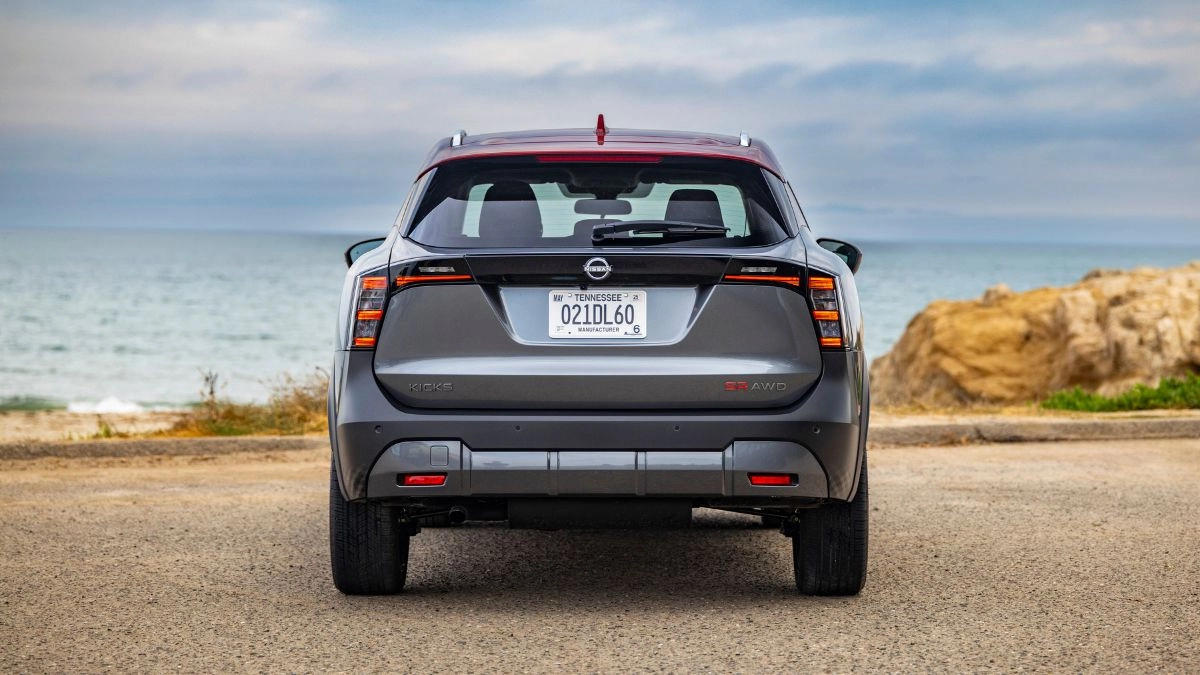
During 2025, Nissan was the only brand still offering a new car below the $20,000 threshold. That model was the Nissan Versa, which sold with a starting price of $17,390. With its confirmed exit from the market in 2026, the category of "truly cheap" new cars in the United States officially disappears. The Versa not only represented an affordable price, but also a philosophy: a simple, efficient sedan designed to meet basic transportation needs. Its discontinuation leaves a void that no other brand has decided to fill, mainly because profit margins in that segment have become increasingly difficult to sustain. What is now the cheapest car in the country? With the Versa's demise, the title of cheapest new car in the United States changes hands, but with a key difference: now they all exceed $20,000. By 2026, that spot will be held by the Hyundai Venue, whose starting price is $22,150. Nissan, for its part, continues to focus on relatively competitive pricing within the new context.The Nissan Kicks Play becomes the Japanese brand's most affordable vehicle, priced at $22,910, positioning it as the second cheapest car on the US market. In the sedan segment, the 2026 Kia K4 becomes the most accessible, priced at $23,385, closely followed by the Nissan Sentra, which starts at $23,845. All of these models easily surpass a barrier that just a few years ago seemed insurmountable. "Affordable" cars that are no longer so affordable. Although these vehicles are still cheaper than many midsize SUVs or electric models, the reality is clear: the concept of an affordable new car has changed. Today, talking about an "affordable" model means exceeding $22,000, a figure that excludes a significant portion of traditional buyers. Furthermore, this trend doesn't seem to be slowing down. Several industry analysts agree that the new market floor could soon approach $25,000, especially if production costs and regulatory requirements continue to rise. Why did cars below $20,000 disappear? The disappearance of inexpensive cars is neither a coincidence nor an isolated decision. This is the result of multiple factors that have accumulated in recent years:
These elements have made producing small, inexpensive cars unprofitable for many manufacturers, especially in a market like the United States.
The domino effect in other segments
Models like the Mitsubishi Mirage, which for years was synonymous with low cost, have also suffered this impact.
Although some manufacturers are trying to adjust prices, the strategic priority has shifted towards hybrid and electric vehicles, where they hope to offset costs with volume and incentives.
Even in the electric world, the barrier remains high. Most new electric cars start at $30,000, although some brands are beginning to offer options slightly below that figure, usually with tax breaks.