

Walmart is applying strategy to attract more customers and compete with Amazon by-selling local products
Many shoppers would be willing to pay up to 5% more for the convenience of having their favorite brands at busiest retailers
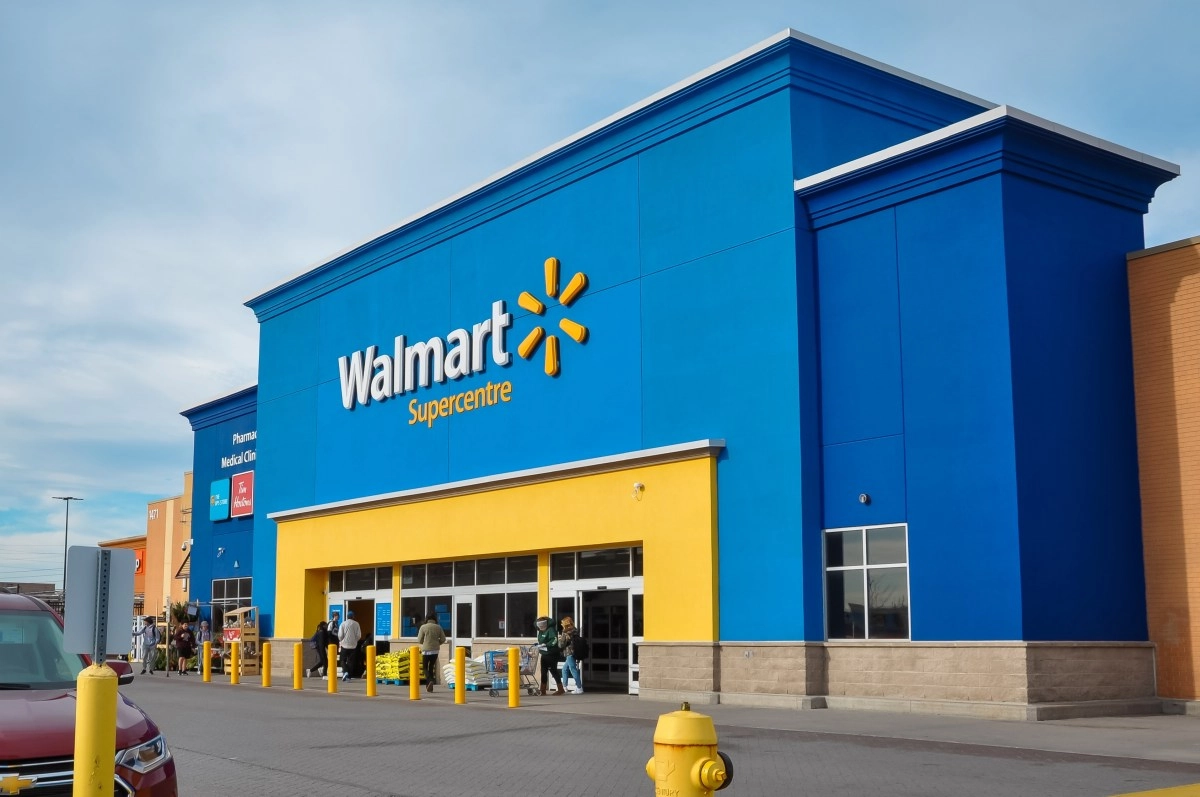

In recent years, changing habits of consumers affected by high inflation made retail sales fell to historical lows, putting the large chains to create attractive sales strategies to keep their customers.
The trend has not changed, and large supermarkets like Walmart are pressured to keep and attract their customers with strategy. as innovative to boost their sales. In this case, the chain is betting on the incorporation of local products on their shelves.
Walmart has been incorporating local brands in recent months, drawing the attention of younger consumers, who see the e xexperience of buying new and attractive products as a “treasure hunt” while walking the aisles of supermarkets.
According to data from Placer.ai, the trend among consumers to look for cheaper alternatives could be positive for retailers; whether they offer Whether they have a homemade mayonnaise in Texas or a little-known Cuban coffee brand, the launch of this type of product is attractive to the budget-minded buyer.
But it's also a way in which the retail chain stays on par with its competition, Amazon, who in recent years has had strong growth in sales of non-essential products, according to a PYMNTS report.
So the incorporation of local products, mostly non-essential, to the largest-buying sections such as food and drinks is a tactical way to close the gap with Amazon.
Even the retailer is favored by the consumption changes of recent years; a recent report by Morgan Stanley revealed that more than 70% of shoppers look for convenience as a key aspect when deciding their purchases.
Michelle Weaver, theme strategist at Morgan Stanley, commented that “consumers are willing to pay up 5% more for convenience and, in many cases, will choose one product or service over another if they "It's more convenient. We believe that companies that sell products or services to simplify the lives of consumers or facilitate the purchasing process will be the ones that benefit the most from the convenience premium."
In this sense, Walmart, by bringing buyers to their favorite not-so-commercial brands to its traditional supermarket, is generating an advantage to favor its sales.