

Trump did it again: imposed tariffs on the European Union
The United States imposes a 25% tariff on European cars and puts global manufacturers, prices, and strategies in check
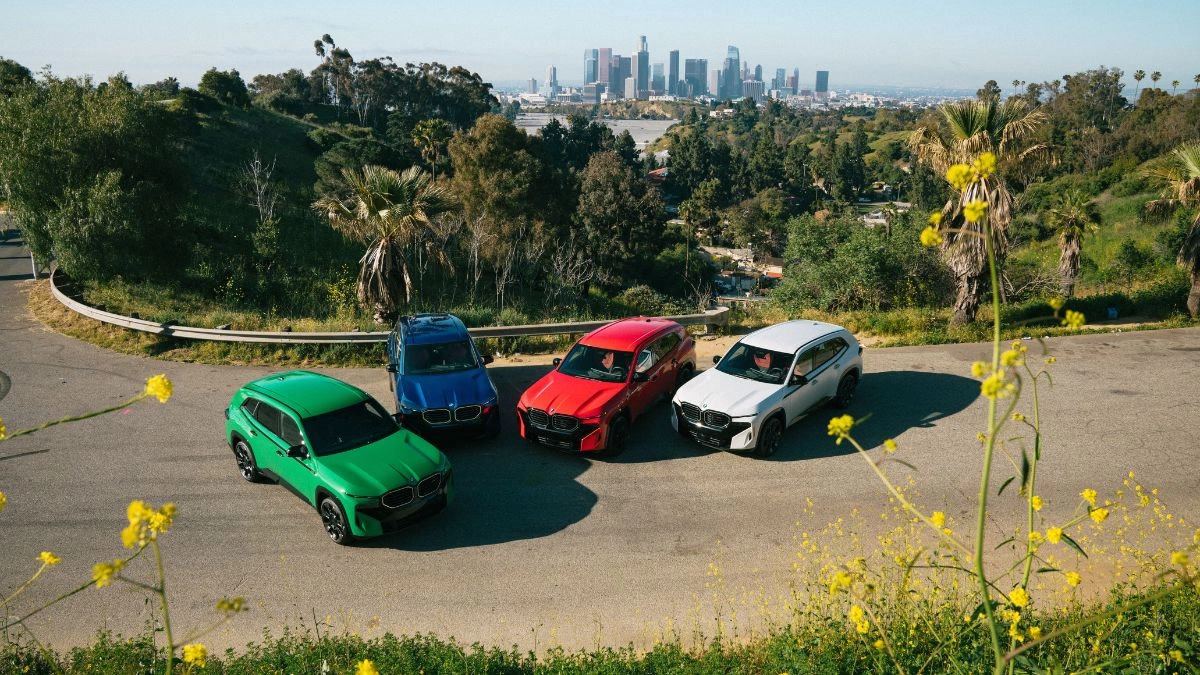

The automotive market received an unexpected shock from Washington. Donald Trump decided to move forward with a measure that cta direct in the heart of the European industry, applying a 25% tariff to vehicles arriving from the European Union.
The news fell like a bucket of cold water on manufacturers, dealers and also on consumers who closely follow the pulse of the sector.
The announcement didn't leave too much room for interpretation. Through his Truth Social platform, the president assured that the European bloc did not respect purchase previous commercial omissions and that, in response, the cars and trucks imported from that origin will begin to tax this new tax in a matter of days.
Far from softening the message, Trump put his industrial vision back on the table: “If they make cars and trucks in plants located in the United States, "The United States, no tariffs will be applied," he noted. The phrase clearly summarizes its strategy of forcing foreign companies to produce within the country.
Direct hit to premium brands
The impact will not be uniform, but it will be wide. Firms such as BMW, Mercedes-Benz, Volkswagen, Audi, Porsche and Jaguar Land Rover are among the most exposed. Although several already have factories on North American soil, a good part of their most profitable models continue to arrive from Europe.
That implies that many vehicles could become considerably more expensive at U.S. dealers. For the end customer, the consequence is quite clear, pr higher or less imported options. For brands, the challenge is to reorganize their logistics and evaluate whether it's advisable to absorb the cost or pass it on to the buyer.
A context that gives no rest
The automotive industry is not exactly going through a calm moment. Recent years left aftermath with the pandemic, the semiductal crisis res and the transition towards electrification. In that scenario, adding a tariff of this caliber adds pressure to margins that were already adjusted.
Trump, however, highlights the positive side of his decision. According to his own words, there are new plant projects underway for more than $100 ,000 million dollars within the United States. “These plants, staffed with American workers, will open their doors very soon,” he assured.
The message aims to reinforce the idea that foreign capital must settle in U.S. territory if it wants to compete without barriers.
Legal tensions and agreements on pause
The background is not just economic, there are legal issues at stake. Months ago, the US Supreme Court left part of the tariff scheme without effect evio, which forced to implement a 10% temporary tax. Now, this new measure arrives in the middle of a review process that Congress must address in July.
On the other hand, there is a preliminary agreement with the European Union that contemplated tariffs of 15% on certain products. That understanding is still not fully ratified and generates doubts within the European bloc itself.
For those following the market closely, the effect can be felt rapid. European models could go up in price, appear with delays, or even be offered with incentives before the tariff comes into force.
At a global level, the decision reignites trade tensions and could trigger responses from Europe. It also opens opportunities for other players, such as Mexico, which is positioning as a productive alternative within North America.