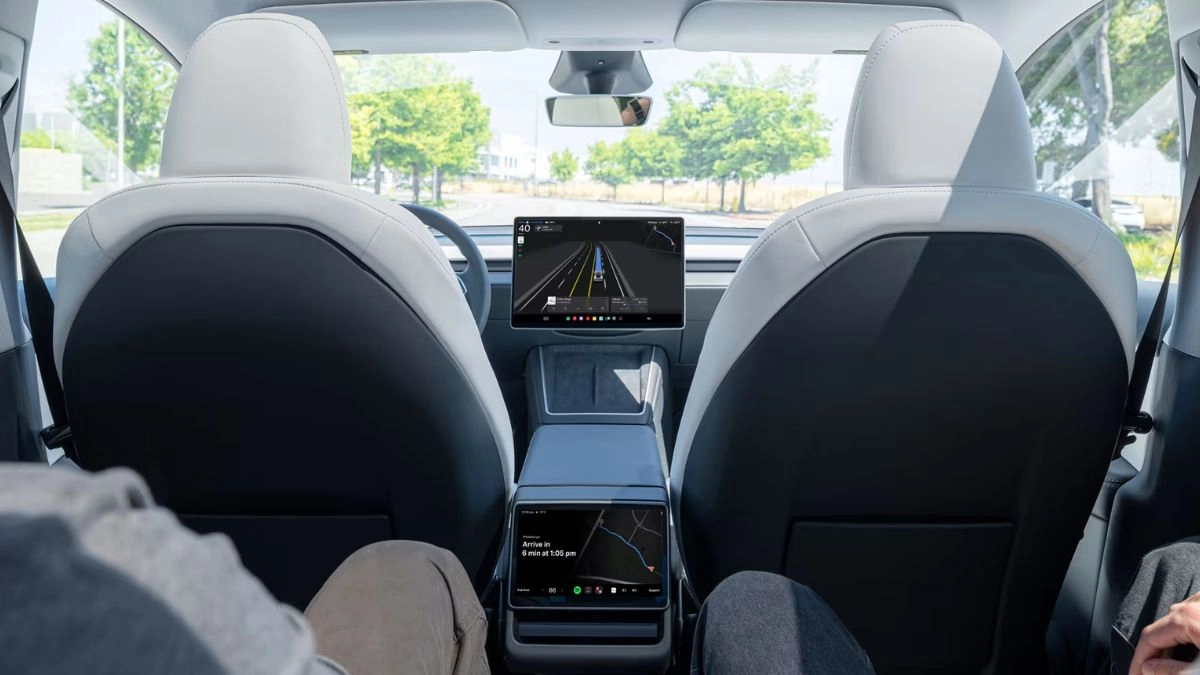

In recent months, robotaxis have ceased to be a futuristic experiment and have begun to form part of the urban landscape in some cities in the United States. Companies like Waymo and Cruise have deployed fleets that transport passengers autonomously, and the public is beginning to get used to seeing these vehicles circulating without a human driver.
Also read: Take advantage: GM and Ford lower prices on their electric vehicles
However, the expansion of these vehicles has revealed a problem that legislation has not yet resolved: Who is responsible when a robotaxi commits a traffic violation?
You can read: Do you know what the letters on Lexus cars mean?
On social media, several videos show these cars running red lights, making illegal turns, or even driving in the wrong direction on streets, generating a debate about how to fine them and whether the companies that operate them should assume financial penalties.
Although robotaxis have advanced detection technologies, radars, LIDAR sensors, and remote monitoring, they are not exempt from errors. “The vehicle can comply with most regulations, but there are complex situations where it can fail,” explains a Waymo engineer who asked to remain anonymous. “The system learns, but there are still cases where it doesn’t react as a human driver would expect,” he added.
A loophole in urban traffic
The San Bruno Police Department in California has been one of the first to face this situation. Several patrol cars have stopped robotaxis for violations, but officers are unable to issue tickets because there is no human driver present.
In a recent Facebook post, the local police commented: “Since there was no human driver, a ticket could not be issued because our ticket books do not have a box for 'robot.'”This statement reflects the difficulty of applying traditional law to autonomous vehicles and underscores that these cars can currently circulate without direct financial risk in the event of violations.
The problem affects not only the police, but also other drivers and pedestrians who are surprised by unexpected behavior by robotaxis. Users have reported abrupt maneuvers or improper crossings, raising concerns about the fairness of the application of the rules: humans are penalized, but robots are not.
Upcoming legislation and its limitations
The new legislation for autonomous taxi-type vehicles is expected to come into force on July 1, 2026. This legislation will allow violations to be reported and notified directly to the operating companies, although it is not yet clear whether financial fines can be imposed directly on the companies.
Legal experts explain that the legislation will define monitoring and reporting procedures, but does not guarantee that automatic sanctions equivalent to traditional fines will be implemented. “We're still in the rule-making stage,” says Jessica Morales, a lawyer specializing in autonomous transportation. “The initial approach is to record violations to create a track record, and then decide how to hold the company accountable.” Meanwhile, robotaxis continue to operate in pilot cities under the supervision of remote operators, without facing immediate financial consequences for traffic errors. This creates a temporary legal loophole, where the technology advances faster than the regulations that should govern it. Public Debate and Corporate Liability Many drivers consider it unfair that autonomous vehicles can break rules without facing penalties. They argue that robotaxis' errors put pedestrians and cyclists at risk, and that companies should be held accountable in the same way as human drivers. According to some press reports, citizens have compared the situation to a kind of “legal privilege” for the machines. “The same mistakes that some people make are also made by robotaxis, but people are fined, while these robotaxis are not, claiming that in this case they have 'more rights' than humans,” commented one user on a specialized urban mobility forum.
The operating companies acknowledge the challenge and assure that they are working on systems to minimize violations, including real-time software updates, remote monitoring, and risk prevention algorithms. However, they also admit that the technology is not yet perfect and that minor incidents can occur, reinforcing the need for clear legislation and proportional sanctions.