

Senate leaves Trump's $1.8 billion ballroom and fund without resources
Republicans unlock a million-dollar package to strengthen immigration agencies after withdrawing support that generated criticism within the party
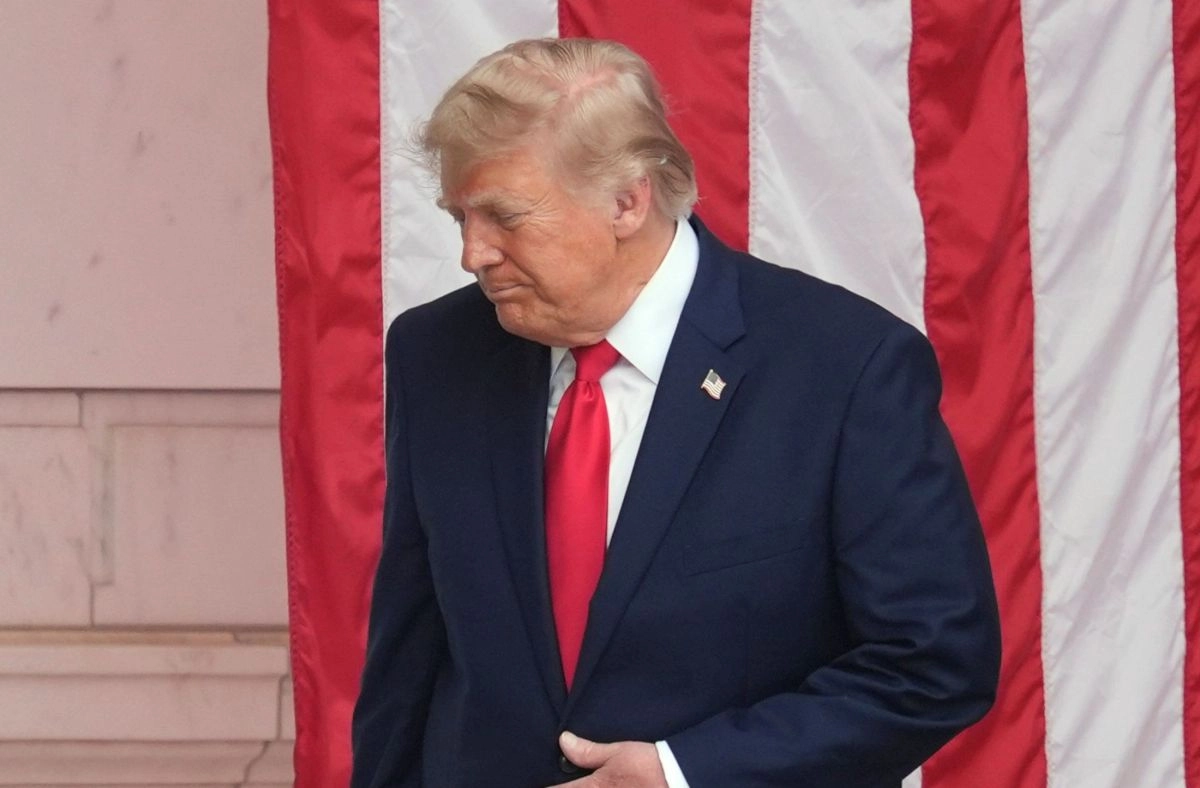

Senate Republicans took a key step to advance a broad funding package for immigration agencies, although they did so after withdrawing resources that would have benefited projects promoted by President Donald Trump.
The measure is part of a package of approximately $72 billion aimed at strengthening the operations of the Department of Homeland Security (DHS) and the agencies in charge of immigration law enforcement through fiscal year 2029.
One of the most striking changes in the project was the elimination of an allocation close to one billion dollars for the Secret Service. These resources included renovation work in the East Wing of the White House, where Trump has proposed the construction of a large ballroom as part of a gift to the country.
Republicans withdraw controversial funds
The financing for the presidential project generated questions even among Republican legislators, who expressed concern about the destination of the resources. Faced with internal resistance, negotiators decided to withdraw the provision to avoid complications during the vote.
At the same time, senators also sought to resolve differences over a controversial $1.8 billion Department of Justice (DOJ) fund that would have allowed financial compensation to people who claimed to have been affected by actions of the federal government, in addition to having been “treated horribly.”
Todd Blanche is not going with the $1,800 fund
During a hearing before the House Appropriations Committee, Acting Attorney General Todd Blanche was categorical in stating that the program, which at the time proposed providing compensation to those accused of the January 6 riots at the Capitol, was ruled out.
"We are not going to move forward with the fund. Period," Blanche declared before legislators.
The statement came after weeks of pressure from Republican lawmakers, who believed that the fund could become an obstacle to advancing key legislative priorities, including funding for immigration agencies of the Department of Homeland Security (DHS).
“I think even the Department of Justice knows that it was a bad idea,” said Republican Senator Thom Tillis, who is also promoting an amendment to prevent the initiative from being reactivated in the future.
Schumer demands written commitments
The leader of the Democratic minority in the Senate, Chuck Schumer, attacked the Republicans and the Trump administration by ensuring that both parties are focused on completely different priorities.
According to Schumer, Republicans remain focused on advancing Trump's political agenda, including what he described as a "corrupt compensation fund," the White House ballroom project, immigration policies and the administration's Iran strategy.
"Republicans fight for Trump. Democrats fight for the American people," said the senator, maintaining that his party is focused on reducing costs for families, promoting economic stability and combating corruption.
The Democrat also criticized a controversial $2 billion compensation fund that he claimed would benefit Trump and his allies. Schumer questioned the statements of the acting attorney general, Todd Blanche, who assured that the administration will not move forward with the program, although he refused to put that commitment in writing.
“Yesterday, Todd Blanche stated that the Trump Administration will pause its plans to establish a $2 billion compensation fund for Trump and his allies, but when asked about it, he responded: 'I'm not committing to anything in writing,'” Schumer said.
The senator maintained that verbal guarantees are not enough and asked that any commitment to cancel the fund be established by law. “The American people need that commitment to stop Trump's corruption, not just in writing, but also codified in law,” he concluded.
Migration remains a priority
Despite internal differences, the Republican leadership is confident of gathering the votes necessary to move the legislation forward. Senate Majority Leader John Thune acknowledged that Blanche's remarks helped reduce concerns within the caucus.
The proposal represents one of the largest recent budget efforts to strengthen immigration operations, an issue that continues to occupy a central place on the Republican agenda heading into the next electoral cycle.
Democrats have questioned the increase in resources for immigration control agencies, while Republicans are promoting the measure through the budget reconciliation mechanism.