

Supreme Court limits gun ban on drug users in key Texas ruling
Unanimous decision concludes that government cannot automatically disarm drug users without proving dangerousness
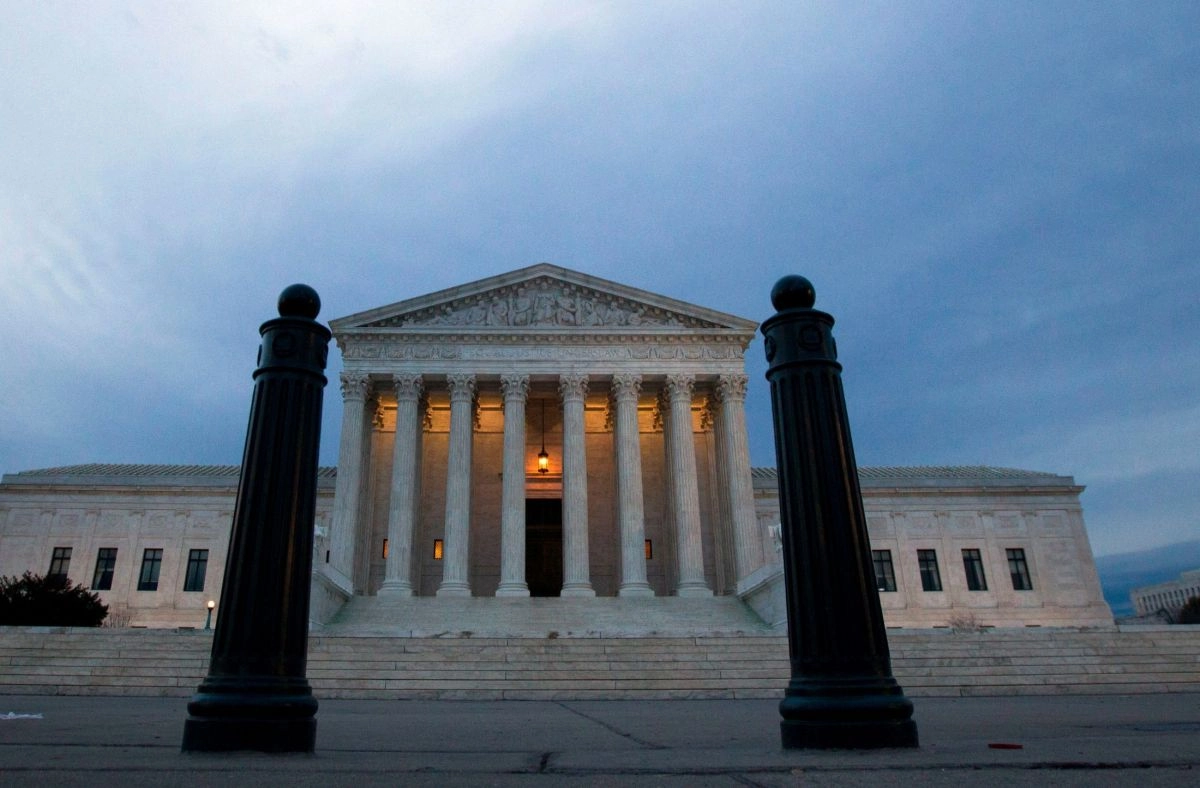

The Supreme Court issued a wide-ranging unanimous decision on gun rights Thursday, ruling in favor of Ali Hemani, a Texas man who challenged a federal gun law that prohibits certain people who use illegal drugs from possessing firearms.
The resolution represents a new victory for advocates of a broad interpretation of the Second Amendment and could have implications for future federal restrictions related to gun ownership in the country.
According to the majority opinion written by Justice Neil Gorsuch, the government failed to demonstrate that the ban set forth in section 922(g)(3) of the Federal Code is consistent with the historical tradition of gun regulation in the United States when applied to people like Hemani.
The case that reached the Supreme Court
Hemani was investigated in 2022 during a federal operation related to suspected activities linked to terrorism. However, authorities did not file charges for terrorism, drug trafficking or violent crimes.
During the investigation, the Texas citizen admitted to using marijuana approximately every two days and also admitted to possessing a firearm in his home. Based on that statement, the federal government charged him with violating a provision that prohibits illegal users of controlled substances from possessing weapons.
The accusation implied a possible sentence of up to 15 years in prison and the permanent loss of the right to bear arms.
Hemani argued that the application of that law violated the protections of the Second Amendment, which guarantees the right of American citizens to keep and bear arms for personal defense.
The Court's criticism of the federal gun law
In its analysis, the Supreme Court majority concluded that the government attempted to justify the restriction by comparing it to old laws applied to people considered “habitual drunks” during the nation's early years.
However, Gorsuch maintained that those landmark rules were aimed at individuals unable to control their behavior or manage their personal affairs, a different situation than someone who simply uses a banned substance like marijuana.
“The history presented by the government does not support the categorical restriction it proposes,” the Supreme Court opinion noted.
The justices also questioned whether federal law automatically disarms any regular user of controlled substances without evaluating whether that person poses a real danger to himself or others.
Possible effects of the failure
The decision does not eliminate all gun and drug restrictions, but it does set important limits on how the government can justify these types of bans under the Second Amendment.
The ruling also reinforces the doctrine established in recent Supreme Court cases, according to which restrictions on the right to bear arms must have clear support in the American historical tradition.