

Diosdado Cabello reiterates that the Aragua Train was “kicked out” of Venezuela
The Minister of the Interior of Venezuela pointed out that the death of "Niño Guerrero" represents the closing of a process to dismantle the criminal gang
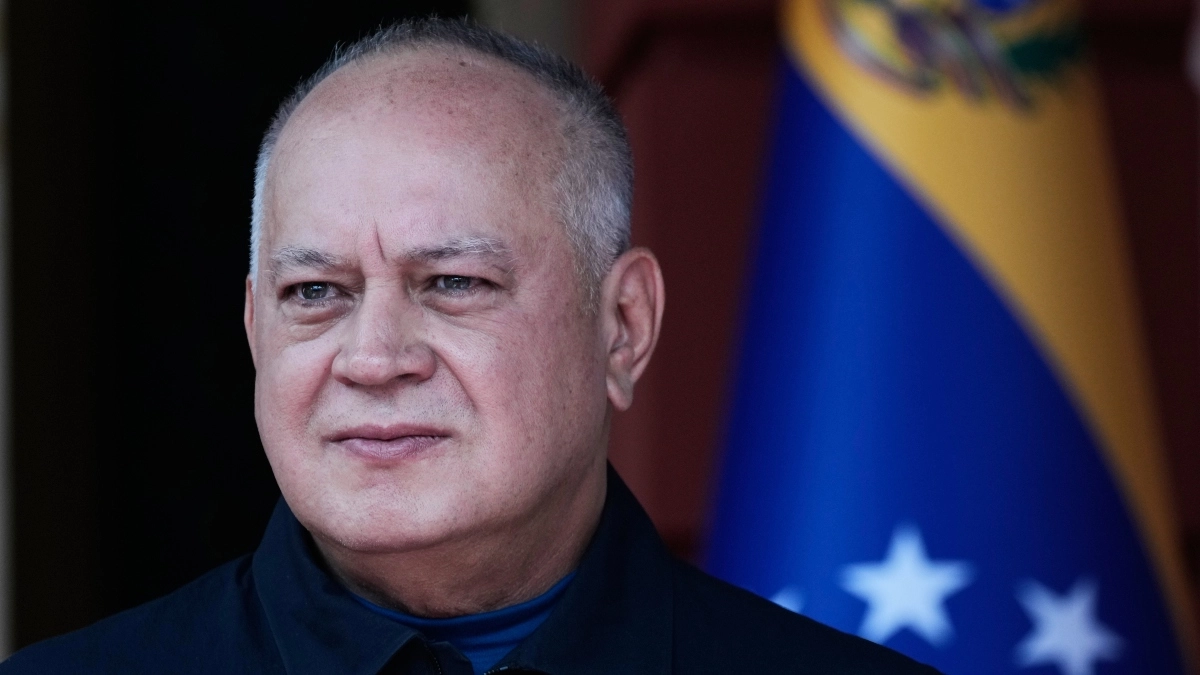

The Minister of the Interior of Venezuela, Diosdado Cabello, reiterated that the criminal organization Tren de Aragua was expelled from Venezuelan territory and assured that only one relevant member of the structure remained, in an apparent reference to Héctor Guerrero Flores, alias “Niño Guerrero”, considered the leader of the gang and recently killed in a joint operation between Venezuelan and American authorities.
During his weekly program With the Maze Giving, broadcast by the state-owned Venezolana de Televisión (VTV), Cabello stated that “the Aragua Train was kicked out of Venezuela” and maintained that the organization no longer operates within the country.
According to the official, Guerrero's death represents the closing of a dismantling process that, according to the official version, had left the gang without the ability to act in Venezuelan territory.
The statements come a few days after the death of “Niño Guerrero” was reported, identified as the founder and main leader of the Aragua Train, a criminal organization that emerged in the Tocorón prison and expanded its operations to several Latin American countries.
Various versions indicate that Guerrero died during an operation carried out in the state of Bolívar, in southern Venezuela.
The Venezuelan government has repeatedly maintained that the Aragua Train was dismantled after the intervention of the Tocorón prison in 2023.
However, authorities and security agencies from different countries in the region have continued to report activities linked to the organization outside of Venezuela, especially crimes related to extortion, human trafficking, drug trafficking and homicides.
Cabello also avoided providing details about the recent security operations against members of the gang and defended the official position that the criminal structure no longer has an operational presence within the country.
His statements add to the debate about the real scope of the organization and its permanence in different territories of Latin America.