

The terrifying experience of an induced coma: the story of Millie, who was awake during the process
He described his experience as terrifying, recalling doctors' conversations, details about the procedures and the pain he felt.
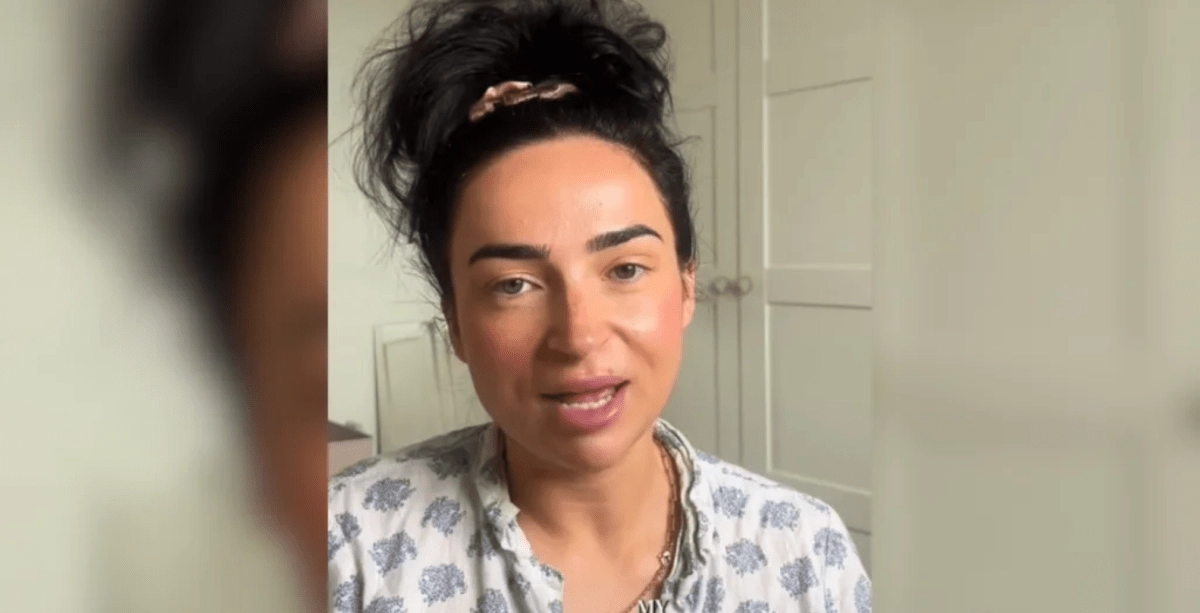

A 27-year-old British woman has been living with chronic lung disease culminating in hospitalization for bilateral pneumonia in August 2022. Her health rapidly deteriorated, resulting in the collapse of both lungs and respiratory arrest.
Millie told Newsweek about her experience. "They asked my partner and my mother to leave the room while they intubated me, so I was left alone with six doctors, nurses and IV specialists. I couldn't see well because my face and neck were swollen, so everything was blurry," she said.
"The doctor looked over my head, touched my shoulder and told me to relax because they were going to help me sleep. I was expecting to feel sleepy, but I didn't," he added.
The doctors decided to induce a coma to treat his critical condition. However, despite being paralyzed, Millie remained conscious, despite being unable to move or speak, and was able to hear everything around her. For three days, she was trapped in her own body, unable to communicate.
She described her experience as terrifying, recalling doctors' conversations, details about the procedures and the pain she felt. To avoid panic, he used distraction techniques, such as remembering characters from Game of Thrones.
Emotional impact and consequences
When she finally woke up, anxiety and trauma were with her. Millie now faces nightmares and the constant anguish of being put back into a coma.
“I've been in situations like this many times and I've always known deep down that I would survive, but this time I knew I couldn't last,” Millie said.
The closeness of his family during this process became an essential relief.
Determined not to remain silent, Millie began sharing her experience on TikTok under the username @millieteaa, seeking to connect with others facing similar situations.
Through her story, she hopes to offer comfort and raise awareness about the reality of serious illness.
Resources for people who have survived traumatic medical experiences
Specialized professional support
Peer Connection and Support Groups
Support for family members and support networks
You may also be interested in:
· Social networks do not strengthen your friendships, on the contrary · If your child lives locked in his room, playing at night and sleeping during the day, he may be suffering from Hikikomori syndrome · The risks of energy drinks: the case of the cheerleader's death is not unique