

Hope and Healing: Normal Life Resumes in Barmer and Jaisalmer After India-Pakistan Border Tensions Ease
After weeks of tension along the India-Pakistan border, normalcy returns to Barmer and Jaisalmer. Explore how locals are rebuilding daily life and restoring peace in the border districts.
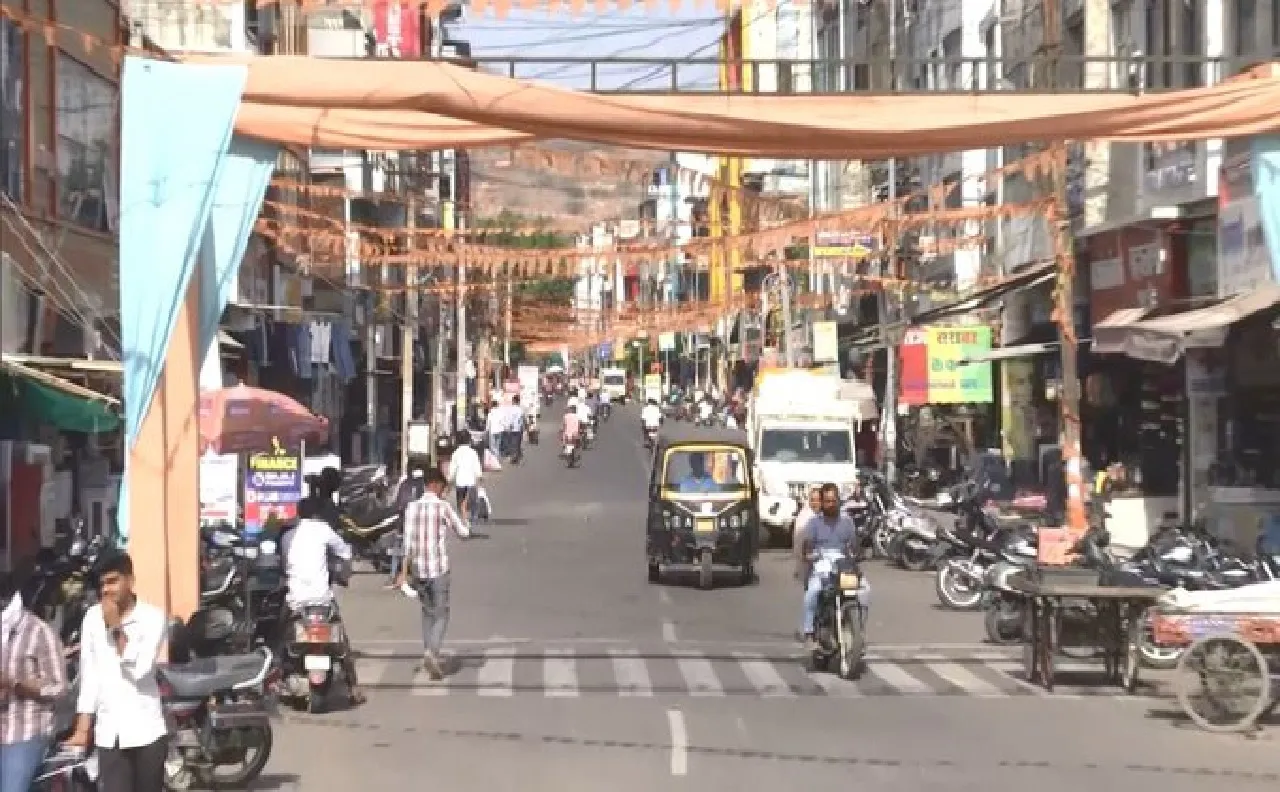

In a heartening turn of events, the residents of Barmer and Jaisalmer in Rajasthan are finally breathing a sigh of relief as life steadily returns to normal after days of heightened tension along the India–Pakistan border. The air, once thick with anxiety and uncertainty, now carries a gentle hum of daily life a sign of resilience and quiet optimism. This shift toward stability follows weeks of military alertness and civil disruptions that had gripped the region with fear and unease.
The update came to light when a tweet stating, “Life returns to normal in Barmer and Jaisalmer after India-Pakistan border tensions,” made its way across news feeds and timelines, signaling a much-anticipated calm after the storm. The people, once confined to their homes and plagued by rumors of escalation, are now stepping out with cautious hope.
Barmer and Jaisalmer: A Landscape of Peace Reclaiming Itself
These two districts, known for their rich cultural heritage and stark desert landscapes, have long stood as sentinels on the Indo-Pak border. Their strategic location makes them vulnerable to even minor escalations in cross-border tensions. Over the past month, an increase in military movement, surveillance operations, and precautionary evacuations had turned this otherwise vibrant region into a tense zone.
However, recent developments including successful backchannel diplomacy and a mutual pullback of heavy artillery from forward positions have played a crucial role in de-escalating the situation. Local officials confirmed that markets have reopened, schools are functioning again, and transportation is gradually picking up pace.
Voices from the Ground: Residents Embrace the Return of Routine
The most telling sign of recovery is not in official reports but in the stories of people. From farmers tending to mustard fields near the international border to schoolchildren giggling on their walk to school, everyday scenes once taken for granted now feel extraordinary.
“It feels like we’ve been given our lives back,” said Ramesh Choudhary, a resident of a border village near Barmer. “We had stocked food, kept emergency bags ready, and even dug trenches outside our homes. Now we’re able to sleep peacefully again.”
Similarly, in Jaisalmer, where tourism had taken a severe hit, local guides and hoteliers are beginning to see a slow but promising return of visitors. “Cancellations had become a daily occurrence. Now, people are making fresh bookings again. It’s not just business it’s hope,” shared Meera Khan, a camel safari operator.
Security Forces: Silent Guardians Behind the Peace
The calm wouldn’t have been possible without the tireless vigilance of Indian security forces stationed across the border. While tanks and aircrafts might no longer dominate the visual landscape, jawans remain alert, continuing their duties with unwavering discipline.
An army spokesperson remarked, “We are constantly monitoring the situation to ensure that peace is not momentary but sustainable. Our presence is discreet, but our commitment is absolute.”
The return to normalcy is a testament not just to strategic decisions taken at the top, but also to the courage and discipline of those standing guard often in extreme weather and unpredictable circumstances.
Psychological Impact and Community Healing
Though the tensions have eased, their emotional imprint remains. Many families, especially those who live closest to the border, report lingering anxiety and heightened sensitivity to sudden noises or unfamiliar movement.
Local NGOs have stepped in to offer counseling services and trauma support. School teachers have been briefed on how to talk to children about fear and security without amplifying distress. These soft approaches to recovery are crucial in rebuilding a sense of normalcy and emotional stability.
“Peace isn’t just the absence of bullets. It’s the return of a mother’s smile, a child’s laugh, and a farmer’s hope,” said Saroj Devi, a volunteer working with displaced families.
Economic Activity Gains Momentum
One of the hardest-hit sectors during the flare-up was local trade and agriculture. Many farmers were forced to abandon their fields, and small businesses shuttered operations in anticipation of conflict. Now, as the situation stabilizes, economic activity is gradually regaining its rhythm.
Local mandis are witnessing increased footfall, and agricultural cooperatives are helping farmers recover lost time by distributing subsidized seeds and fertilizers. Transport routes, once closed due to military barricades, are now open, reconnecting these towns with state and national markets.
Looking Forward: Sustainable Peace the Key Priority
While current indicators are positive, experts caution against complacency. The geopolitical equation between India and Pakistan remains complex, with sporadic disruptions always a possibility. Analysts emphasize the importance of sustained diplomatic engagement, confidence-building measures, and cross-border communication to prevent future escalations.
“The stability we see now is fragile. It needs nurturing, not neglect,” noted Lt. General (Retd.) Vikram Rawat. “Both governments must invest in dialogue, not just defense.”
Resilience in the Face of Uncertainty
The gradual return to normal life in Barmer and Jaisalmer is more than just a news update it is a testament to the strength, patience, and unity of the people. In the face of fear, they stayed grounded. In the face of danger, they held hope. And now, as a new chapter begins, they are reclaiming their lives with grace and courage.
As the world looks to these border towns, they serve as a quiet but powerful reminder that peace is always possible not through dramatic gestures, but through daily resilience, unwavering community spirit, and shared humanity.