

India and China Relations: EAM Jaishankar Discusses Progress in LAC Disengagement
India and China move towards disengagement along the Line of Actual Control, says External Affairs Minister Dr. S Jaishankar, emphasizing progress in diplomatic relations.
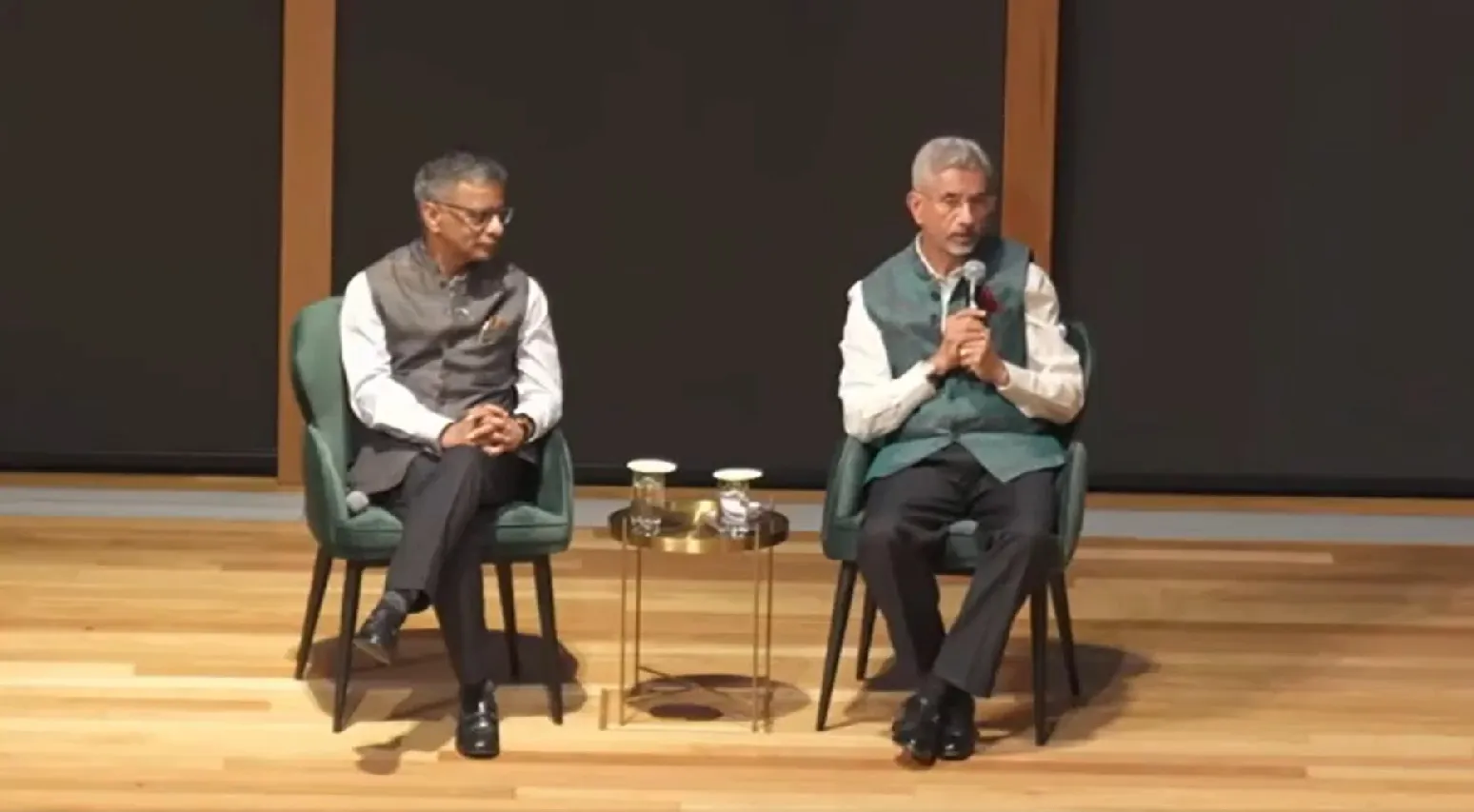

External Affairs Minister Dr. S Jaishankar addressed ongoing developments in India-China relations on Wednesday, highlighting progress achieved in recent disengagement efforts along the Line of Actual Control (LAC). His remarks underscored a gradual improvement in diplomatic relations, even as significant challenges remain regarding troop deployment and future diplomatic engagements.
Speaking from Brisbane, Jaishankar acknowledged the “disturbed” state of relations between the two nations following tensions along the LAC in recent years. However, he expressed cautious optimism, noting, “In terms of India-China, we have made some progress. Our relations were very disturbed. We have made some progress in what we call disengagement.” The disengagement process, according to the minister, opens doors to further diplomatic initiatives, providing a foundation for improved bilateral relations after years of heightened tensions.
Current Status of Troop Deployment and Counter-Deployment
One of the core issues in India-China relations since the 2020 standoff has been the deployment of Chinese troops along the LAC. Jaishankar emphasized the unusual scale of this deployment, stating, “The fact is there are a large number of Chinese troops deployed along the Line of Actual Control who were not there before 2020, and we had counter-deployed.” While the disengagement process has begun, both sides continue to monitor each other’s military presence along the disputed border, balancing readiness with diplomacy.
India’s counter-deployment reflects the nation’s commitment to securing its territory amid what has been one of the most prolonged periods of tension between the two neighbors in recent history. The presence of Indian forces serves as a strategic response to China’s movements and, according to Jaishankar, will continue until a stable agreement is reached through diplomatic channels.
Disengagement as a Positive Step in India-China Relations
Jaishankar stressed that disengagement is a “welcome step” in improving India-China relations. He explained, “The disengagement is a welcome step. It opens up the possibility that other steps could happen.” While concrete steps remain limited, the latest round of disengagement reflects a shared interest in stabilizing the border region. This disengagement could pave the way for a more comprehensive peace framework that both nations could adopt to avoid future confrontations.
The minister’s comments reflect optimism tempered by the complexity of the situation. The disengagement process has involved multiple rounds of talks between military and diplomatic channels on both sides. Despite the slow pace, each disengagement action reduces the potential for clashes and opens avenues for broader agreements that go beyond military matters, including economic and political engagement.
Role of High-Level Meetings in Shaping Future Dialogues
In a significant development, Prime Minister Narendra Modi’s meeting with Chinese President Xi Jinping on the sidelines of the BRICS summit laid a new foundation for communication between the two countries. Jaishankar remarked, “The expectation after PM Modi met President Xi was that both the National Security Advisor and myself, we would meet our counterparts. That's really where things are.” These high-level interactions signal a commitment to de-escalation and create a framework within which future issues can be discussed and resolved.
The importance of regular engagement at the highest levels cannot be understated. Following Modi and Xi’s dialogue, it is expected that key figures such as India’s National Security Advisor and Jaishankar himself will continue the diplomatic efforts in discussions with their Chinese counterparts. These meetings reflect the serious commitment on both sides to ensure peace and cooperation, recognizing that stability along the LAC is in the best interest of both nations.
Challenges Ahead for India-China Relations
Although the disengagement at the LAC represents a positive development, multiple challenges remain in normalizing relations fully. The buildup of trust has been a painstaking process, particularly given the geopolitical sensitivities and the high-stakes nature of the India-China relationship. Jaishankar’s comments suggest that while there is progress, future agreements will require careful negotiation and mutual concessions.
Analysts point out that the strategic and political interests of both countries extend beyond the border issues. The broader context includes economic interests, regional influence, and cooperation within international forums such as the Shanghai Cooperation Organization (SCO) and the United Nations. The gradual restoration of trust along the LAC could lead to enhanced collaboration in these areas, which would benefit both nations.
Global Implications of Improved India-China Relations
The relationship between India and China, as two of the world’s largest economies and most populous countries, carries significant global implications. Stability along the LAC not only influences the political landscape of Asia but also impacts global trade, regional security, and the dynamics of multilateral organizations. An improved India-China relationship could catalyze positive shifts in areas ranging from global supply chains to counterterrorism efforts, benefiting the broader international community.
The recent progress in disengagement could signal a more stable and cooperative dynamic in the Asia-Pacific region. However, geopolitical observers remain cautious, noting that enduring stability will depend on sustained diplomatic efforts and consistent dialogue between both nations. The willingness of both governments to engage in direct talks and implement de-escalation measures sets a promising precedent for addressing other geopolitical disputes peacefully.
Conclusion: A Path Towards Lasting Peace
Dr. S Jaishankar’s remarks reflect a balanced approach to the complex India-China relationship, underscoring both achievements and challenges. The disengagement along the LAC is a step forward, providing a glimmer of hope for reduced tensions and greater cooperation. As India and China continue to negotiate the path ahead, the outcome of these discussions will play a pivotal role in shaping the future of South Asian stability.
Moving forward, the diplomatic efforts of key leaders and officials from both countries will be instrumental in addressing unresolved issues and fostering trust. The positive developments offer optimism for a more stable border environment and hint at the possibility of broader cooperation. As the world watches, India and China’s pursuit of peace along the LAC serves as a testament to the power of diplomacy in resolving even the most challenging international disputes.