

Flu vaccine: where to get it for free in the U.S. and why it's key this year
The flu vaccine is free for millions of people in the U.S. With new strains circulating, immunization is key. Where to get it for free.
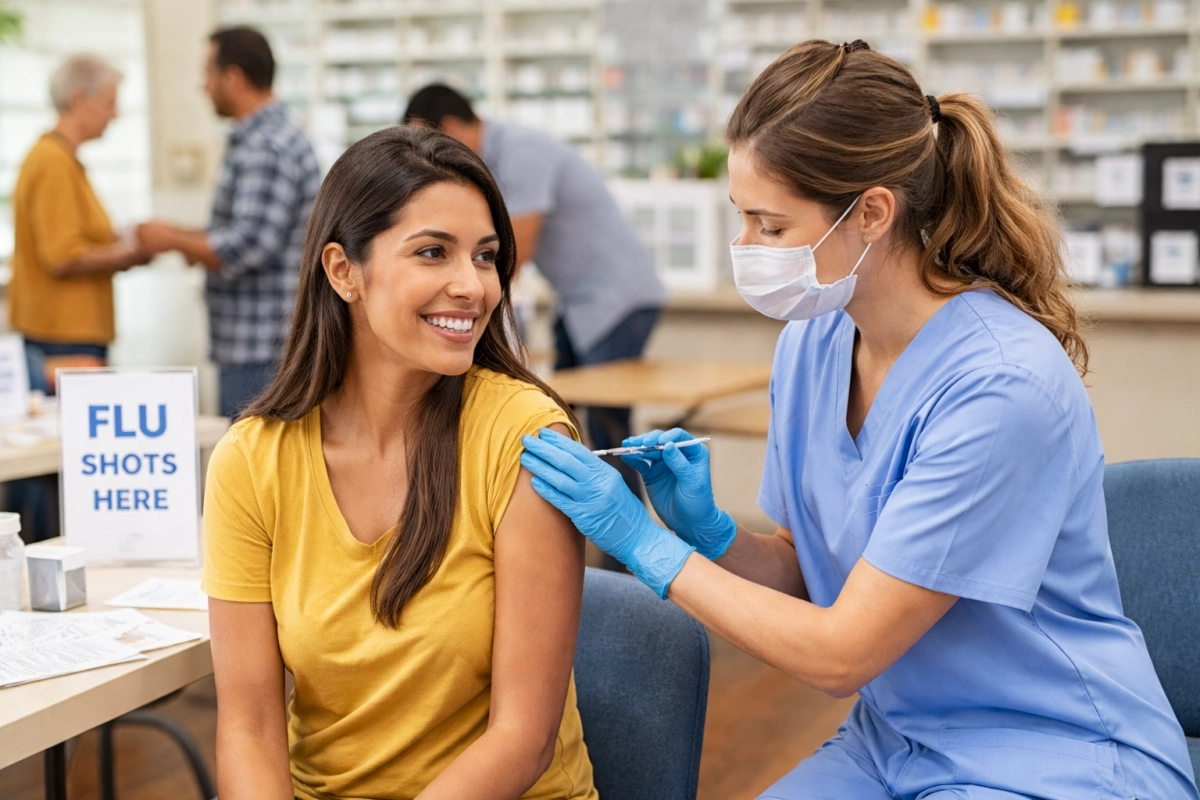

Flu (influenza) vaccination is one of the most important public health measures in the United States, especially during the fall and winter months. Each year, millions of people can access the vaccine for free or without co-payment, even if they don't have private health insurance. In the current season, the recommendation is even more relevant due to the circulation of new strains of the virus (H3N2 K), which are already generating an increase in doctor visits and hospitalizations in various states. The main version of the flu currently spreading in the United States is H3N2 subclade K. H3N2 is a common strain, but the specific type circulating now—subclade K—is new. The variant has several mutations that differentiate it from previous versions, making it a "cousin of what we've always had," Scott Roberts, assistant professor of infectious diseases at Yale School of Medicine, explained to CNN. At least 14 states have high or very high flu activity. The most recent tracking data shows that flu-like illness is reaching levels High or very high flu activity is reported in 14 states (Colorado, Connecticut, Georgia, Idaho, Louisiana, Maryland, Massachusetts, Michigan, New Jersey, New Mexico, New York, North Carolina, Rhode Island, and South Carolina), as well as in Washington, D.C., and Puerto Rico. While flu activity remains low to moderate in other parts of the United States, residents should not let their guard down, noted Dean Winslow, MD, an infectious disease specialist and professor of medicine and pediatrics at Stanford Health Care in California. Who can get a free flu shot? In the United States, the flu vaccine is free for a large portion of the population. This includes people with public and private insurance, as well as those without coverage.Thanks to state and community programs. The official recommendation is that everyone 6 months of age and older get vaccinated every year, ideally before the peak of viral circulation.
Health Departments and Community Clinics
State, county, or city health departments are one of the main options for receiving the vaccine for free. These agencies often organize vaccination campaigns open to the public, especially for people without health insurance or with low incomes.
There are also Community Health Centers, which provide care without discrimination based on immigration status or ability to pay.
In many cases, they offer the flu vaccine free of charge or at nominal fees.
A convenient way to find these centers is to call 211, the community helpline available in much of the country, or check local government websites.
Pharmacies: Free vaccine with insurance
The nation's major pharmacy chains administer the flu vaccine without copay to those with health insurance. Among the most popular are CVS Pharmacy, Walgreens, Rite Aid, and Walmart.
The vaccine is usually free for people with:
In some states, pharmacies also participate in special campaigns that allow uninsured individuals to get vaccinated at no cost, depending on availability and local agreements.
Official tool to find vaccinations nearby
The federal government provides the Vaccines.gov platform, where you can search for vaccination sites by zip code. The system displays pharmacies, clinics, and health centers, and indicates whether they accept uninsured individuals or public programs.
Free Vaccination for Children and Adolescents
Children under 18 without health insurance can receive the vaccine at no cost through the Vaccines for Children (VFC) program. This plan covers children who are uninsured, have Medicaid, or are underinsured, and is administered at pediatric offices, community clinics, and public health centers.
Veterans: Full Flu Coverage
Armed Forces veterans can get vaccinated for free at Department of Veterans Affairs hospitals and clinics, as well as at VA-affiliated pharmacies. You do not need to be enrolled in VA health care to receive the flu vaccine.
The importance of getting vaccinated against the new flu strain
During this season, specialists warn about the circulation of new variants of the influenza virus, some with a greater capacity for transmission and more intense symptoms in older adults,Young children and people with chronic illnesses.
The flu vaccine is updated every year to adapt to the strains expected to circulate most strongly, so doses from previous seasons do not provide sufficient protection. Getting vaccinated significantly reduces the risk of severe illness, hospitalizations, and respiratory complications, even though it does not completely prevent infection.
In addition, the flu can coexist with other respiratory viruses, increasing the pressure on hospitals and emergency rooms. In this context, vaccination becomes a key tool not only at an individual level but also collectively, by reducing community spread.
Community events and special campaigns: get vaccinated without health insurance
During flu season, non-profit organizations, churches, schools, and municipalities organize free vaccination events, open to the public and, in many cases, without the need for an appointment.
These campaigns are usually announced in local media and official social media.
Flu vaccine near me
On this map you can find where to get a flu vaccine near your location:
What to bring on the day of vaccination
To expedite the process, it is recommended to bring:
Proof of citizenship or immigration status is not required to receive the vaccine in public or community campaigns.
What are the symptoms of subclade K flu and who is most at risk?
Common flu symptoms include:
People at higher risk of serious complications from the flu are adults 65 years and older, children under 2 years of age, and people with weakened immune systems, chronic illnesses such as asthma, diabetes, and heart and lung disease.
The importance of vaccination
Getting a free flu shot in the United States is possible and affordable. Given the circulation of new strains and the impact influenza can have on public health, getting vaccinated on time is a key decision to protect yourself and others. Prevention remains the most effective tool for getting through flu season more safely.