

Health risks from smoke from nearly 3,500 wildfires in Canada and northern Minnesota
Sites in Canada continue to burn and smoke has reached some areas of the US. Several states even have air quality alerts in effect.
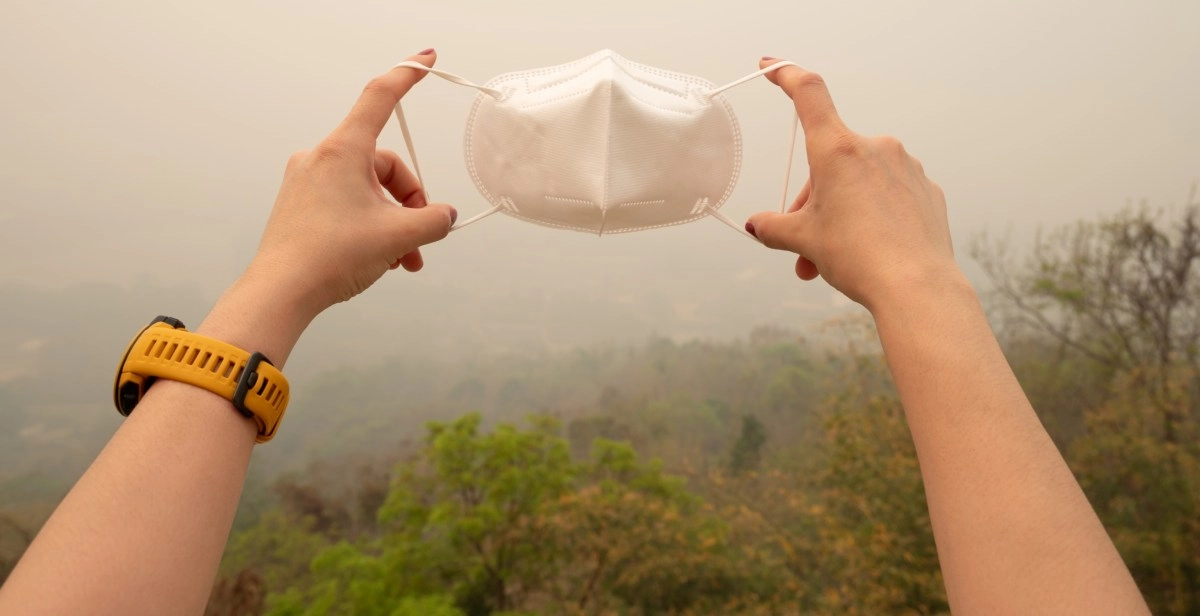

Smoke from nearly 3,500 fires in Canada and northern Minnesota is affecting air quality across much of the United States. This phenomenon has led to health problems such as difficulty breathing and eye irritation.
Authorities recommend citizens be alert and seek medical attention if symptoms worsen. Smoke can also cause problems such as dizziness, headache, and nausea.
So far, sites in Canada continue to burn and smoke has reached some areas of the United States: the Midwest and the Northeast. Several states even have air quality alerts in effect, including Minnesota, Illinois, Pennsylvania and New York. Outdoor sporting events, such as activities on fields and racetracks, have been suspended due to the risk to the environment.
Pollution Spread
Doctors Shilpa Patel and Peter DeCarlo highlight the importance of monitoring the Air Quality Index through the AirNow.gov tool, which provides up-to-date information on air quality. The same one that meteorologists use when they talk about color coding green, yellow, orange, red and purple.
"These are tiny particles that penetrate deep into the airways. They are not allergens, but irritants. An irritant can affect anyone's lungs and cause coughing and a scratchy throat," Dr. Patel, medical director of the Children's National IMPACT DC Asthma Clinic in Washington, told CNN.
"I recommend connecting AirNow.gov to your phone or computer and viewing it as if it were a weather news service. This website, run by federal agencies, offers the most up-to-date information, both measurements and forecasts about air quality and what to expect. Simply using it as a tool to let people know which areas are being affected and what they can expect tomorrow and the day after tomorrow works very well," said Dr. DeCarlo, a professor in the Department of Environmental Health and Engineering at Johns Hopkins University.
The population is advised to follow public health recommendations to minimize exposure to harmful particles.
The most susceptible population, including children, the elderly and pregnant women, should avoid outdoor activities. Dr. Aida Capo, a pulmonologist at Hackensack Meridian Palisades Medical Center in New Jersey, warns of the risks, recommending limiting time outdoors and wearing appropriate masks.
"They should definitely not play or exercise outside. If they feel the need to exercise outdoors, it is recommended that they stay away from traffic and areas with little pollution," he said.
Recommendations
Citizens are urged to close windows, turn on air conditioning systems, and use air filters to maintain indoor air quality. Intense physical activity should be avoided in conditions of poor air quality, and it is advisable to consult health professionals about the use of inhalers and medication.
In this sense, Kai Chen, associate professor of epidemiology at the Yale School of Public Health, told ABC News that the best type of mask to use is the N95, designed to filter at least 95% of airborne particles.
Chen explained that smoke from forest fires is composed of fine solids, gases and fine particles, the latter being the most worrying.
According to the American Lung Association, fine particles, known as PM2.5, have a diameter 30 times smaller than that of a human hair. Due to their small size, these particles are invisible to the naked eye and can easily enter the nose and throat, reaching the lungs. They are trapped there, and even some of the smallest ones can circulate through the bloodstream, reports ABC.
Impact on pets
The American Veterinary Medical Association advises restricting pets' time outdoors, limiting their outings to brief bath breaks and suggesting veterinary care if they show signs of discomfort.
Wildfire smoke can irritate pets' eyes and airways and also worsen previous heart or lung conditions. Older animals, brachycephalics, and pets with asthma or allergies are often more vulnerable.
Warning signs. Watch for coughing, gagging, red or watery eyes, runny nose, rapid or labored breathing, open-mouth gasping, fatigue, weakness, disorientation, and decreased appetite or thirst. In more serious cases, smoke inhalation can cause serious breathing problems and even late effects after exposure.
What to do at home. Keep your pet indoors with windows and doors closed, and limit outdoor exercise while the poor air quality lasts. If your indoor air is also affected, find a cleaner space and minimize smoke exposure.
When to go to the vet. Seek veterinary attention if there is difficulty breathing, marked lethargy, seizures, burns, or if symptoms do not improve quickly. It is also worth checking if your pet has a previous illness or belongs to a high-risk group.
Useful prevention. If you need to go out with your pet during a smoke episode, do so for as short a time as possible and avoid physical exertion. A practical example: a short walk for basic needs is better than running or playing intensely outdoors.