

Health authorities investigate tuberculosis infections in an immigration detention center
The Colorado Department of Public Health and Environment was alerted of suspected tuberculosis infections at an immigration detention center
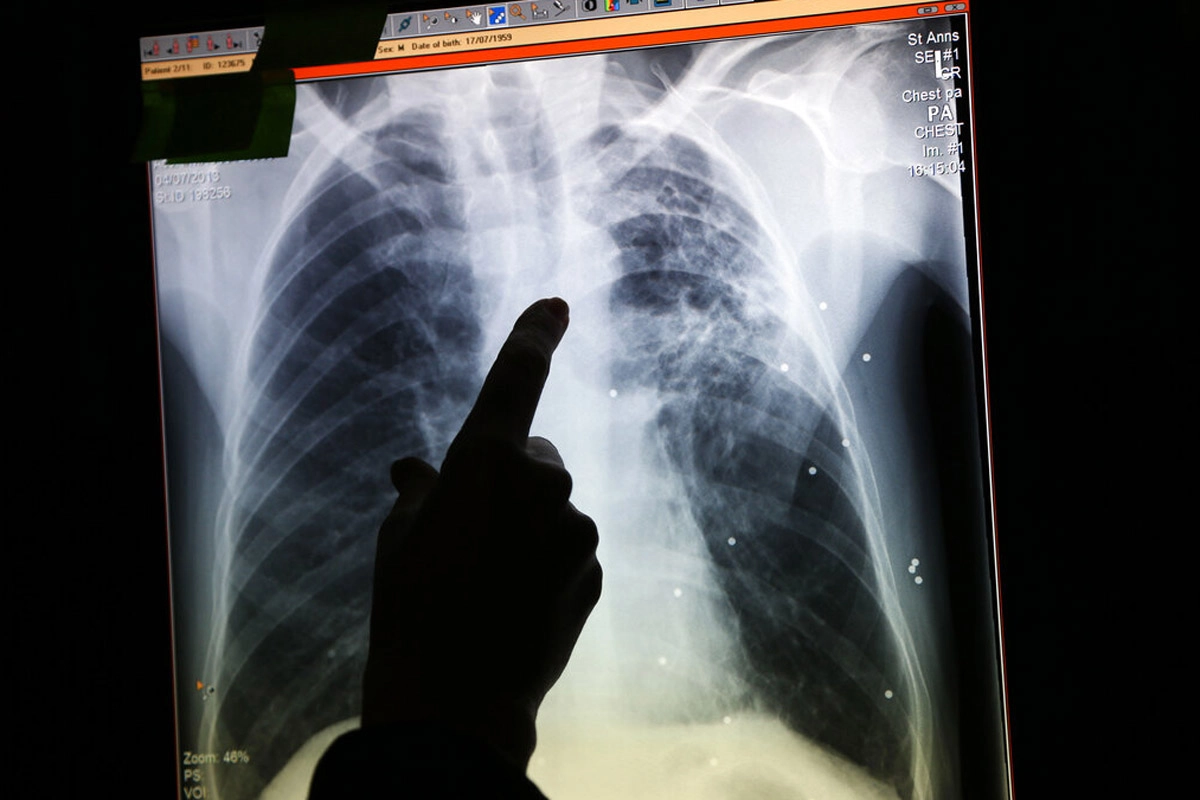

Colorado health authorities announced that they are investigating the confirmation of a case of tuberculosis discovered in a person admitted to an immigration detention center located in Aurora, Denver's third largest city.
Although some local media outlets point out that up to a dozen inmates could have acquired the disease, a visit by specialists has not yet been made to verify this indication inside the facilities where hundreds of people detained for having entered the United States without the necessary documentation to support their stay are temporarily located.
The only official information published by the Adams County Health Department is that, in the property managed by the private company GEO Group for the Immigration and Customs Enforcement Service (ICE), there is only one patient, but it is not specified who it is.
The concern of the relatives of the foreigners lacking legal status who remain in the site with the capacity to house up to 1,500 detainees is the possibility that the tuberculosis bacteria has spread, since there is no health protocol implemented to at least mark a healthy distance between people.
Tuberculosis is an infectious disease that is transmitted exclusively through the air when a patient coughs, sneezes, talks or even sings.
In extreme cases, if not treated in time, it can damage mainly the lungs, but also other organs such as the brain, kidneys or spine.
Following the fact that the Colorado Department of Public Health and Environment (CDPHE) indicated that the Adams Health Department and the Denver Tuberculosis Clinic reported “obstacles” to investigate what is happening in the aforementioned detention center, GEO Group was required, in addition to allowing the entry of specialists to corroborate that there are no more sick people, to deliver the medical records of the entire population in the place, including employees on duty, contractors, visitors and people transferred or released.
“GEO's continued failure to provide complete and timely access is hindering a public health investigation.
Each delay makes it more difficult to identify, test and treat people who may have been exposed and increases the risk of further transmission,” indicates a statement issued by the CDPHE.