

New research shows that the consumption of dairy products and calcium can prevent metabolic syndrome
Metabolic syndrome is characterized by a combination of risk factors: obesity, high blood pressure, and abnormal glucose and lipid levels.
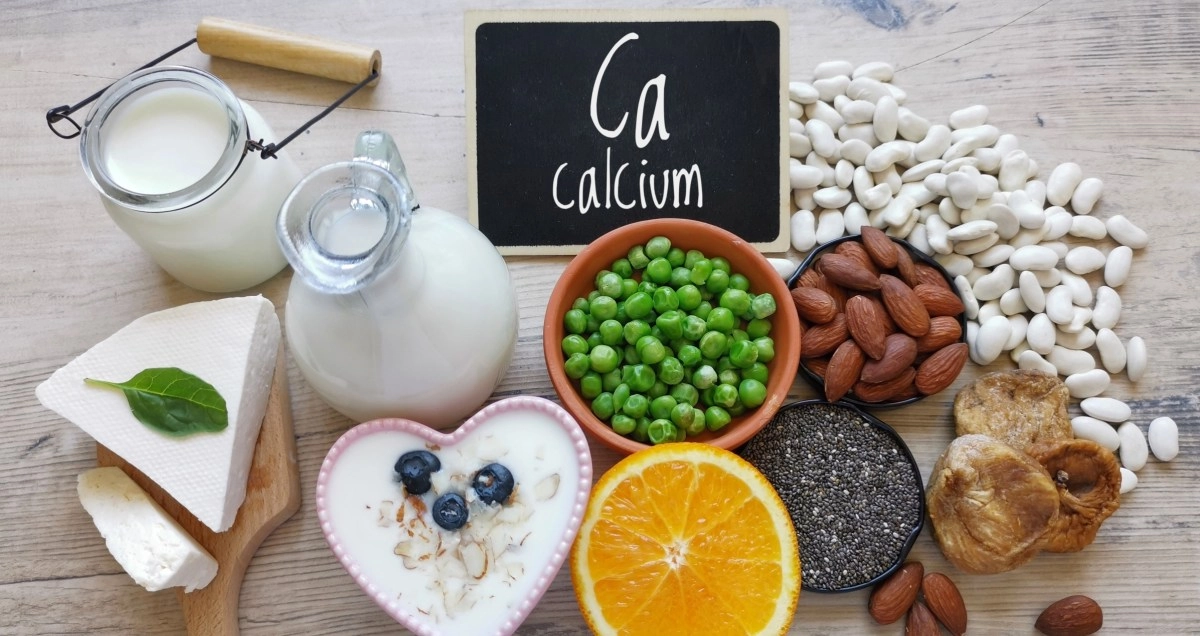

Recent studies have suggested that an increase in dairy and calcium intake may be linked to a decreased chance of metabolic syndrome (MS). This article discusses a systematic review and meta-analysis exploring this connection.
Metabolic syndrome is characterized by a combination of risk factors, including abdominal obesity, high blood pressure, and abnormal glucose and lipid levels.
MS affects a considerable percentage of the adult population in Western countries, with older people and those with obesity being particularly vulnerable.
Diet is a critical modifiable factor in the onset of metabolic syndrome. It has been shown that diets rich in refined sugars and unhealthy fats favor the development of this condition, while healthier diets, such as the Mediterranean, can offer protection.
Meta-analysis results
The meta-analysis, published in Nutriens, included data from 24 studies, showing that higher calcium intake is associated with a 15% reduction in the odds of developing metabolic syndrome. In the case of dairy consumption, this was related to a 22% decrease in the probability of suffering from this condition.
The analysis revealed that women have a stronger inverse association between dairy consumption and calcium with respect to metabolic syndrome compared to men.
Although the findings suggest a significant relationship between calcium and dairy intake and the risk of metabolic syndrome, the design of the studies limits the ability to establish causality. More robust future research is required to confirm these relationships and optimize dietary guidelines.
Foods rich in calcium
The best foods rich in calcium to include daily are, above all, dairy products, some canned fish with bones and certain vegetables, legumes and nuts. Among the most useful are yogurt, milk, cheese, sardines, almonds, chickpeas and green leafy vegetables.
How to distribute it during the day:
A simple way to take advantage of them is to combine 2 or 3 sources a day: for example, yogurt for breakfast, a salad with broccoli or watercress for lunch, and sardines or tofu for dinner. This way you increase calcium without depending on a single food.
Not all plant calcium is absorbed equally; Some vegetables, such as spinach, contain calcium, but also substances that reduce its absorption. That is why it is advisable to vary the sources instead of relying on a single food.
You may also be interested in:
· Impact of inflammatory bowel disease: the importance of early detection · Due to stress, anxiety and a sedentary lifestyle, hypertension is gaining ground among young people · Cannabis use is increasing among older adults, we tell you why