

Sexual violence in armed conflicts reaches record numbers and doubles in one year, warns the UN
This is revealed by the most recent United Nations report, which documented 9,788 verified cases last year, far exceeding the previous record.
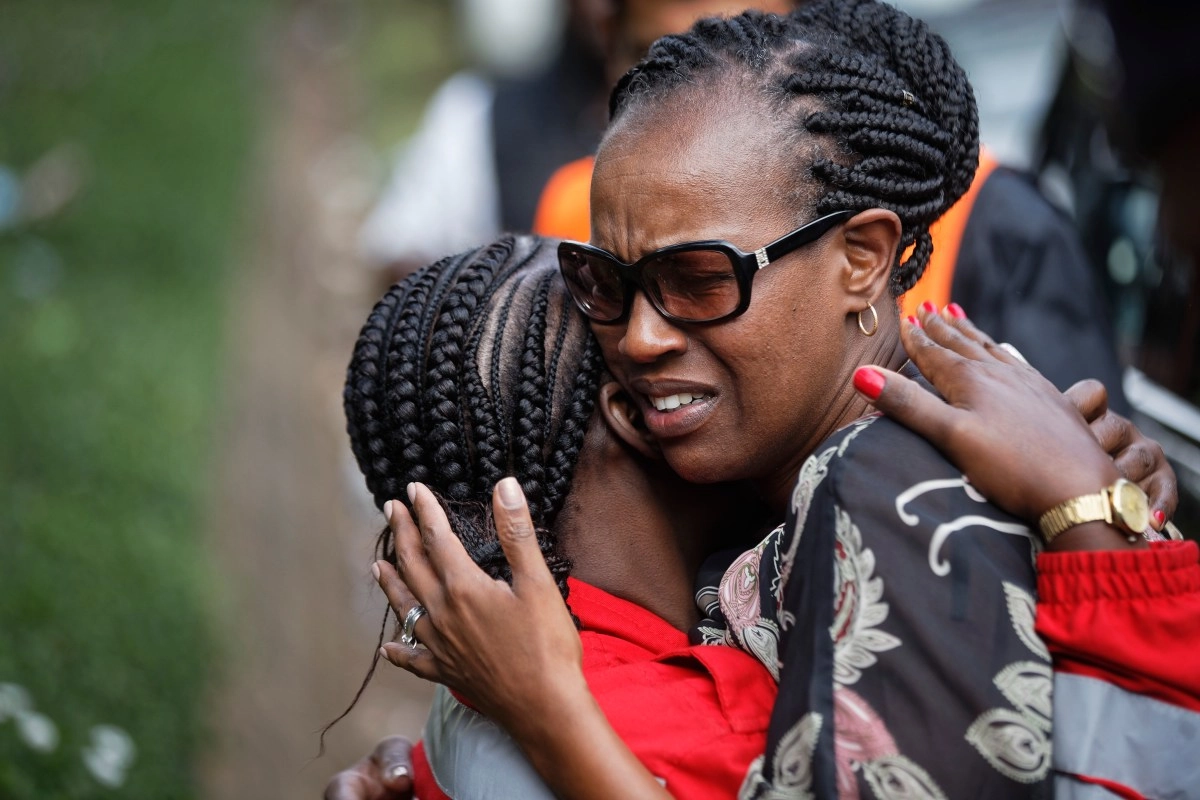

Sexual violence used as a weapon of war reached unprecedented levels during 2025, according to a report presented by the United Nations to the Security Council, which documented an alarming increase in these crimes in various conflict zones around the world.
The UN verified 9,788 cases of conflict-related sexual violence last year, more than double the number recorded in 2024. However, the international organization warned that the real magnitude of the problem could be much greater because a large portion of victims never report abuse or receive medical or psychological care.
During a session of the Security Council, the Special Representative of the UN Secretary-General for Sexual Violence in Conflict, Pramila Patten, noted that these acts continue to be deliberately used as tools of war, terror, torture and political control in multiple regions affected by armed clashes.
The report analyzes 21 conflict scenarios and documents cases of rape, sexual slavery, forced marriages, human trafficking and collective attacks. Among the countries with the highest number of verified incidents are the Democratic Republic of the Congo, Haiti, Sudan and the Central African Republic.
Women and girls continue to be the main victims
According to the report, about 90% of the identified victims are women and girls. In addition, almost 3,000 minors suffered some type of sexual violence during 2025, a figure that represents an increase of 37% compared to the previous year.
The UN also warned about the impact that these crimes have on men and boys, especially in detention centers where sexual assaults are used as punishment, humiliation or a coercive mechanism to obtain information.
The ages of the registered victims range from children as young as one year old to people over 70 years old. Patten explained that the attacks are increasingly violent and that, in some cases, the attacks are accompanied by extreme physical torture or murders intended to prevent the victims from being able to report the events.
The report also identifies worrying new trends, including the use of sexual violence within war economies, forced sexual exploitation, human trafficking and sexual threats directed against human rights activists and defenders through digital platforms. The document includes 77 actors responsible for these crimes, of which the majority are non-state armed groups.
However, this year two state actors were also added to the list: Israel and the Russian Federation, due to complaints related to patterns of sexual violence in contexts of conflict and detention.
Haiti and other conflicts reflect a global crisis
During the meeting, representatives of Haiti presented the serious situation facing the Caribbean country, where the UN recorded a 163% increase in cases of sexual violence linked to the activity of armed gangs. Civil organizations denounced that thousands of women and girls continue to be targets of kidnappings, exploitation and attacks amid the collapse of security and justice institutions.
Despite the severity of the crisis, the United Nations highlighted that less than 1% of global humanitarian aid is allocated to programs to assist survivors of sexual violence in conflicts. The organization called for strengthening sanctions against those responsible, increasing financing for victim assistance and strengthening international accountability mechanisms.
Concluding his speech, Patten stated that the main challenge is not the absence of international standards, but the lack of will to apply them. “It is time to replace impunity with unity,” he expressed before the Security Council.