

New revelations about the stimulant effects of ADHD medications
There are notable differences in the response to stimulants between adolescents and adults, due to the incomplete maturation of the adolescent brain
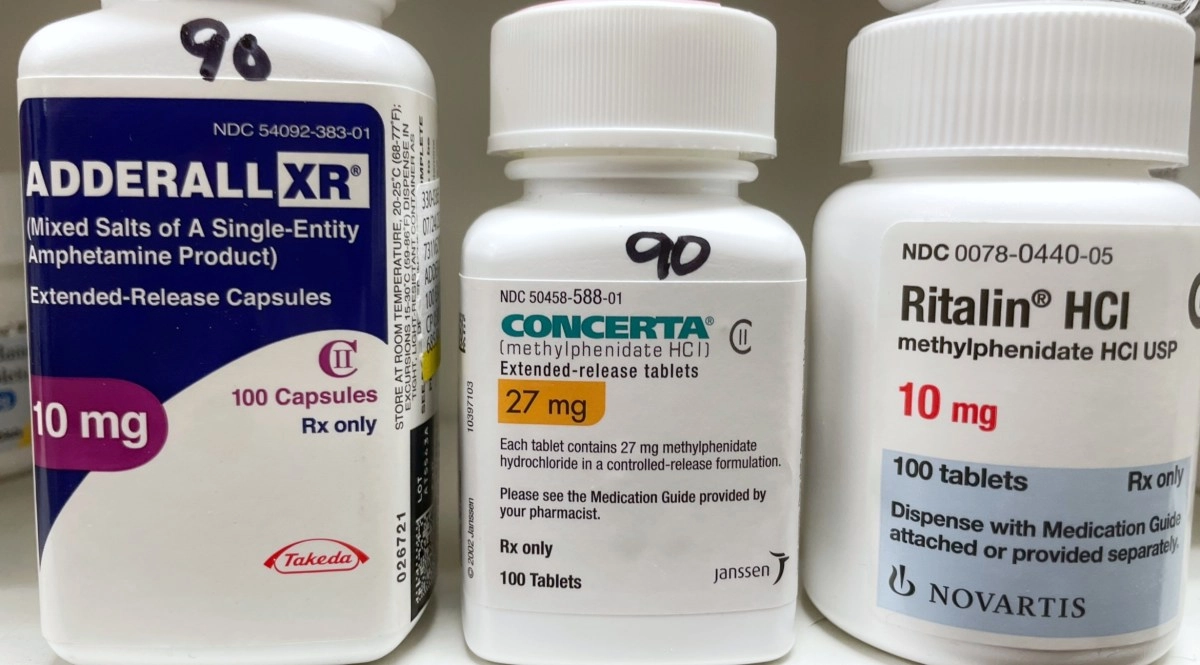

Recent studies show that medications such as Adderall and Ritalin primarily affect areas of the brain responsible for alertness and reward, rather than attention networks.
The research, based on data from the Adolescent Brain Cognitive Development Study, evaluated brain scans of adolescents with attention deficit hyperactivity disorder (ADHD). It was confirmed that the use of stimulants activates brain networks that facilitate concentration through arousal and the anticipation of pleasure. Stimulants increase levels of norepinephrine and dopamine. Norepinephrine improves readiness for action, while dopamine enhances the perception of rewards during mundane tasks, which can help children with ADHD cope with challenging tasks. Implications for clinical practice: Dr. Kay, one of the study's authors, emphasizes the importance of considering factors such as sleep deprivation before resorting to medication. The research suggests that brain scans could be a useful tool for identifying those children who would benefit most from medication. Experts caution that not all stimulants work the same way for every individual. A more targeted, neuroscience-based approach could improve the diagnosis and treatment of ADHD in childhood.
Difference in response to stimulants
There are notable differences in response to stimulants between adolescents and adults, primarily due to the incomplete maturation of the adolescent brain.
Brain differences. Adolescent brains show greater sensitivity in regions such as the dorsal striatum, generating more intense responses to the rewards associated with stimulants, unlike adults whose neuronal activity is less reactive. This is observed in studies with rats, where adolescents exhibit more pronounced neuronal activation during reward-motivated tasks.
Implications for ADHD. In the treatment of ADHD, stimulants are effective in both groups, but adolescents preferentially receive long-acting formulations, and the therapeutic effects are somewhat less than in children, although they persist in adults. Adults use more immediate-acting stimulants,with gradual dose adjustments to balance efficacy and side effects.
Risks of abuse. Adolescents face greater vulnerability to addiction due to the imbalance between hyperactive stimulatory systems and underdeveloped inhibitory mechanisms, increasing the risk of experimental and harmful use. In contrast, adults have better self-control, although the abuse of stimulants such as cocaine or methamphetamines is on the rise among young people.