

The Dangers of Marijuana to Dental Health
Patients who have recently used marijuana may require higher doses of anesthesia, experience more pain, and develop complications
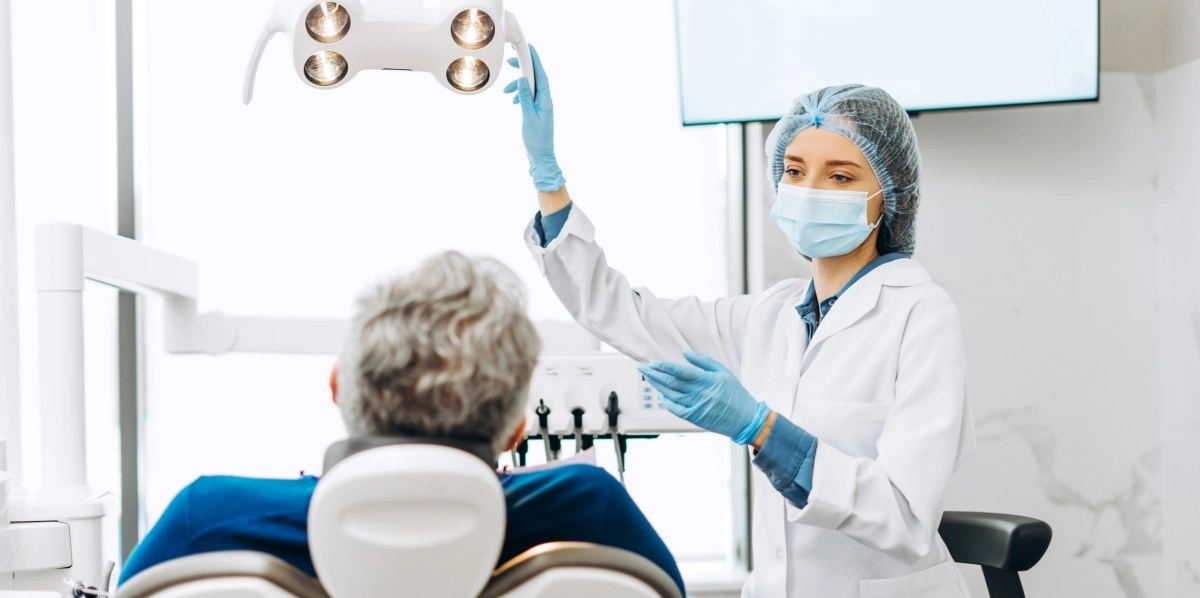

Dr. Ellyce Clonan, assistant clinical professor at the University at Buffalo School of Dental Medicine in New York, points out the increased risks associated with marijuana use in patients. These include a 55% increased risk of cavities, a 41% increased likelihood of tooth loss, and a tripled risk of oral cancer. Several studies support these claims, underscoring the negative impact of THC (tetrahydrocannabinol) and other compounds on dental health. Clonan, in an interview with CNN, says of patients who come to her office after consuming marijuana: “I can smell it on them, and then there are the red eyes and dry mouth.” “If I ask, some patients tell me, ‘I’m so scared of going to the dentist that I had to come high,’” she said. “While we love having people come in for our regular checkups, most don’t understand the dangers to oral health of marijuana use, especially if it’s habitual,” she explains. Effects of Marijuana on Anesthesia: Marijuana use can complicate the administration of anesthesia during dental treatments. Patients who have recently used marijuana may require higher doses of anesthesia, experience more pain, and develop complications. In addition, cannabis use can increase heart rate and blood pressure, adding potential risks during procedures. “Cannabis has been shown to increase anxiety. So, if people are panicking in the chair, and their blood pressure and heart rate are already elevated, that represents an additional risk,” Clonan warns. Risk behaviors associated with its use: Marijuana use can lead to behaviors that negatively affect oral hygiene. A preference for sugary foods and a lack of motivation to maintain a good brushing routine can increase the risk of cavities.
Dry mouth also causes a decrease in saliva's ability to protect teeth.
How it affects postoperative recovery
Marijuana use can delay postoperative recovery in dental treatments by interfering with tissue healing and increasing the risk of infection.
Effects on healing. Marijuana, especially if smoked or vaporized, exposes oral tissues to toxins that slow the healing of post-surgical wounds, such as extractions or dental implants. It also suppresses the immune system, which prolongs recovery and increases complications such as inflammation.
Interactions with anesthesia. As mentioned earlier, chronic users may require higher doses of local anesthetics due to cross-tolerance, complicating simple dental procedures. Postoperatively, it causes greater discomfort, extended recovery times, and poorer sleep quality.
Immediate post-treatment consumption increases infections and damages fillings or implants due to irritating particles. It is recommended to discontinue use at least 72 hours before and after treatment to optimize results.
Need for more careful evaluation
Given the increasing incidence of patients who use marijuana, Clonan suggests including questions about this topic on patient medical forms.
Awareness and understanding of cannabis use are essential to providing safe and effective treatment in dental offices.