

The cucumber and the secrets that science never stops revealing
The power of cucumber has been demonstrated in cellular hydration, cardiovascular health, memory and cognition, anti-inflammatory action and glycemic control.
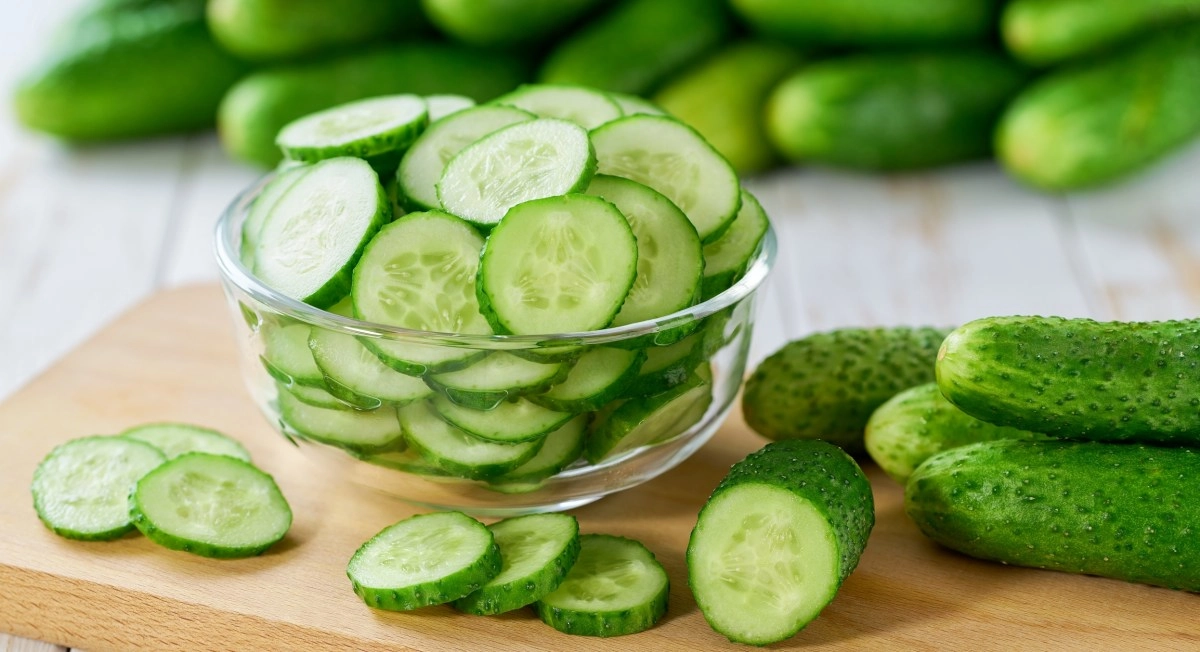

Cucumber (Cucumis sativus) is one of the most cultivated and consumed vegetables in the world, present in the diets of all cultures for more than three thousand years. However, in the last decade the scientific community has focused its attention on its bioactive components, discovering a surprisingly rich nutritional and therapeutic profile that contradicts the popular belief that cucumber "contributes nothing."
The cucumber was synonymous with diet and lightness, valued only for its low caloric content—barely 16 kilocalories per 100 grams—and for its refreshing water content, which exceeds 95% of its total composition.
Now, scientists have begun to read between the lines of what this green vegetable has written inside: B vitamins, silicon, flavonoids, cucurbitacins and a chain of antioxidant compounds that position it as a top-of-the-line functional food.
Properties and uses of cucumber
Science has revealed the power of cucumber in cellular hydration, cardiovascular health, memory and cognition, anti-inflammatory action, glycemic control and skin care.
Antioxidant power. Among the most striking findings is the presence of fisetin, a polyphenolic flavonoid concentrated mainly in cucumber skin. Research published in neuroscience journals suggests that this molecule could have neuroprotective properties, modulating brain inflammation and promoting long-term memory. Although studies in humans are still limited, results in animal models have generated genuine enthusiasm in the research community.
Control of chronic inflammation. Cucurbitacins, bitter compounds found especially in wild cucumber varieties, have shown in the laboratory a remarkable ability to inhibit NF-κB signaling pathways, a central factor in chronic inflammatory processes. This characteristic makes it a food of interest for research into diseases such as arthritis, type 2 diabetes and certain types of cancer. “What makes cucumber notable is not a single miraculous compound, but the synergy between its multiple micronutrients acting together,” explains clinical nutritionist Sandra Morales, a phytotherapy researcher.
Glucose, digestion and cardiovascular health. On the metabolic level, studies in mice with induced diabetes have documented that certain cucumber extracts reduce blood glucose levels by modulating the activity of enzymes such as alpha-glucosidase. At the same time, its high potassium and magnesium content contributes to the regulation of blood pressure, while its fiber—although modest in quantity—favors intestinal transit and serves as a substrate for the beneficial intestinal microbiota.
Skin care. Silicon and vitamin C support collagen synthesis, improving skin elasticity.
How to maximize your benefits?
Experts agree that the highest concentration of active compounds is found in the skin and seeds, parts that many consumers discard out of habit. Eating it raw preserves the integrity of its heat-labile vitamins, such as vitamin C and folate.
The combination with extra virgin olive oil also improves the bioavailability of its fat-soluble carotenoids. In short, the advice of nutritionists is as simple as it is lapidary: consume it whole, fresh and, if possible, organically grown.
You may also be interested in:
· Nutritional strategies to increase muscle mass · Vitamin D and diabetes: the nutrient that the sun can give us, but that the world ignores · Lentils with vitamin C: a nutritious and effective combination