

Democrats criticize Supremo for blocking new electoral map in Virginia
The consultation held in April had supported a redrawing of districts that electorally benefited Democrats in the state
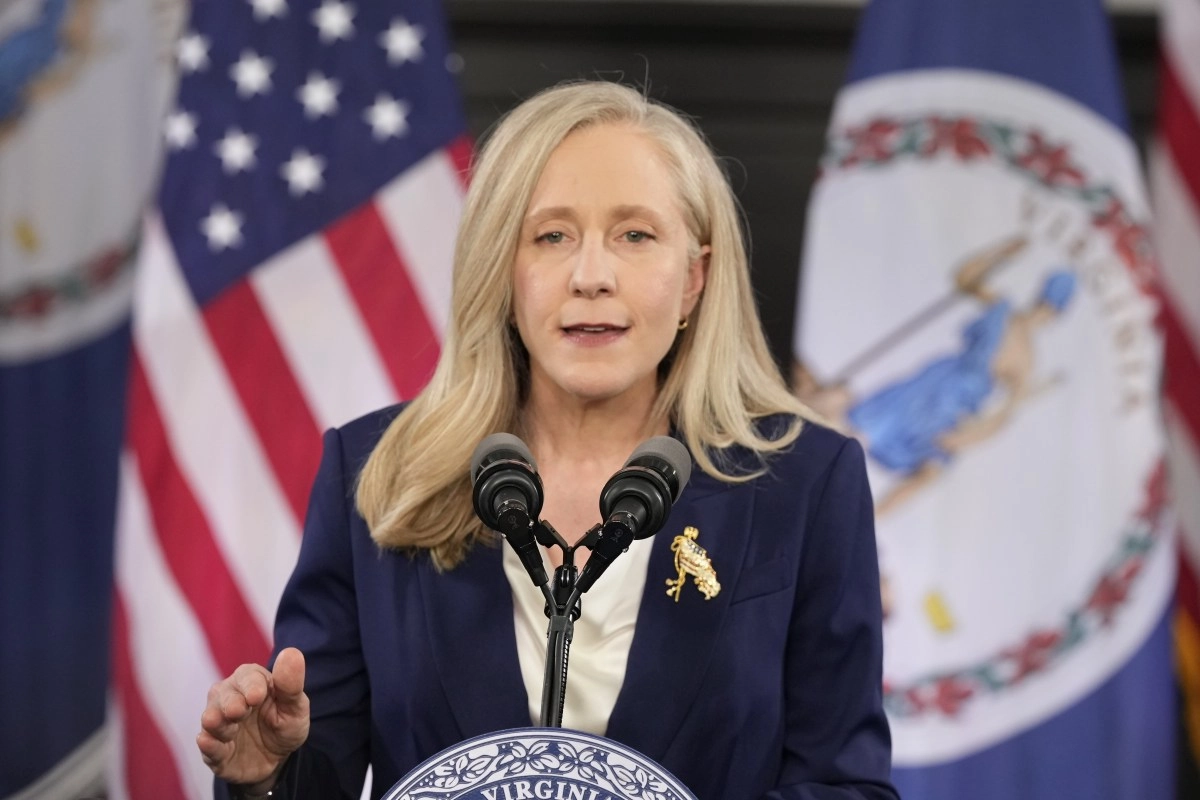

The decision of the United States Supreme Court to stop the new electoral map approved in a referendum in Virginia unleashed a strong reaction among Democratic leaders, who accused the country's highest court of interfering in the popular will and favoring Republican interests ahead of the November legislative elections.
The governor of Virginia, Abigail Spanberger, harshly criticized the ruling and assured that the Supreme Court “has joined the Virginia Supreme Court to annul an election and the votes of more than three million Virginians,” as she wrote on the social network X.
“These Virginians made their voices heard, casting their votes in good faith to oppose a president who said he was entitled to more seats in Congress before voters went to the polls,” the state leader added. The consultation held in April had supported a redrawing of districts that electorally benefited Democrats in the state.
On Friday night, the Supreme Court of the United States decided to ratify the previous ruling of the Supreme Court of Virginia, which had invalidated the referendum citing constitutional inconsistencies in the process of approving the new electoral map. The decision was made without dissenting votes, dashing Democratic hopes of regaining several key seats in the House of Representatives.
Virginia Attorney General Jay Jones called the ruling “another deeply troubling example of the continuing national attack on voting rights and the rule of law by Donald Trump, Republican state legislatures and conservative courts.”
The case occurs in a national context marked by the growing political dispute over the redesign of electoral districts, where parties attempt to manipulate electoral boundaries to maximize their political advantages.
In the United States, electoral maps are usually updated every ten years after the national census, so the next official changes were not scheduled until 2030. However, several Republican-controlled states began changing districts ahead of time, driven by President Donald Trump and conservative allies.
Texas has been one of the main focuses of this strategy. According to an analysis by the Brennan Center for Justice, Republicans have promoted electoral redesigns that could expand their representation in Congress by reducing the electoral weight of African-American and Latino communities.
Democrats responded by trying to apply similar tactics in states where they have political control, such as California and Virginia, although in the latter case the attempt was judicially blocked.
The resolution on Virginia adds political pressure ahead of the November midterm elections, considered decisive for control of the House of Representatives and the future of Trump's legislative agenda.