

5 supplements to control anxiety, according to nutritionists
Experts in nutrition mention some of the most effective supplements to control anxiety, indicating how they act in favor of mental health
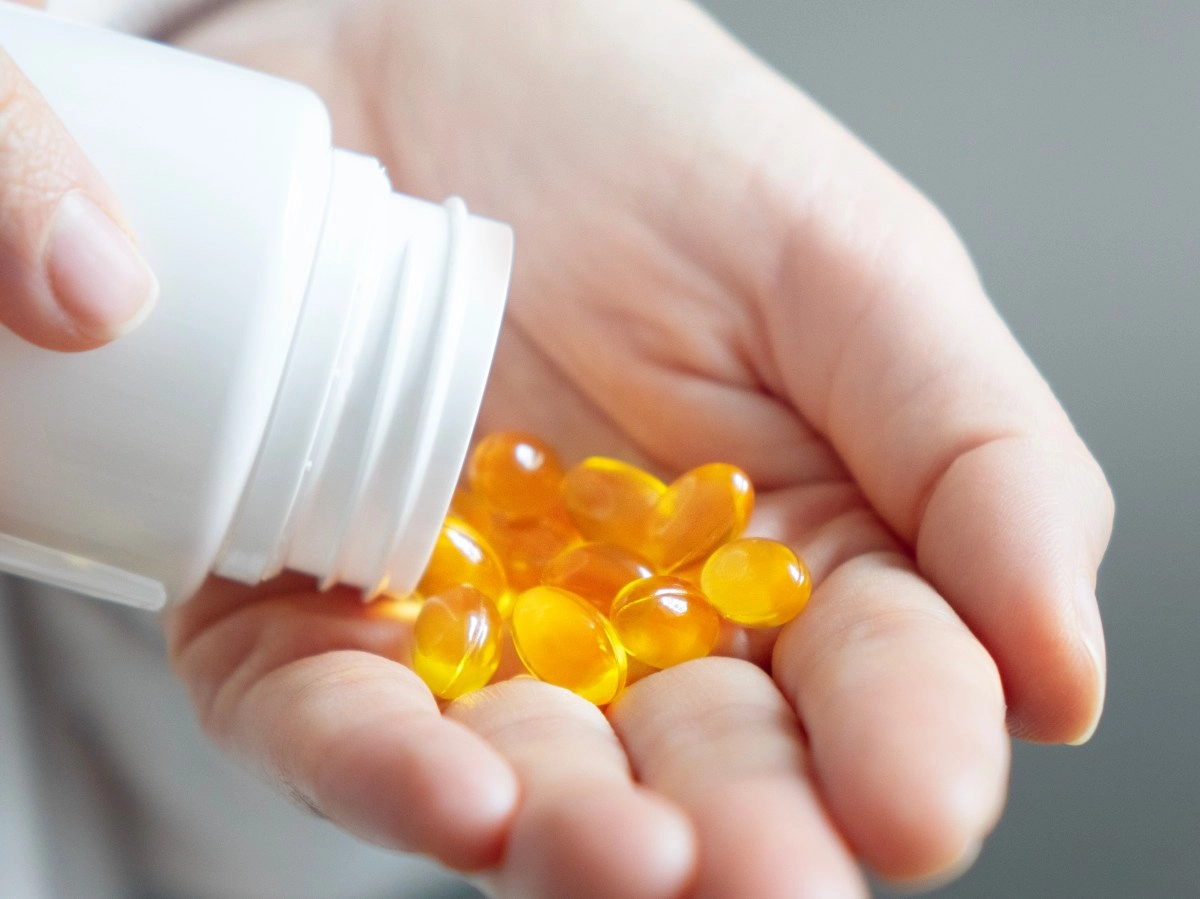

Although health specialists clarify from the beginning that no supplements replace psychological therapy nor medical treatments, also They highlight that certain nutrients and compounds could help reduce anxiety, improve mood and promote rest.
Doctor Indhira Ghyssaert, family doctor and nutritionist for The Balance RehabClinic, explains that before starting any supplementation it is recommended to have “a comprehensive blood analysis”.
The objective, emphasizes the expert, is to determine which is the best supplement for each person, analyzing “vitamin levels, hormonal imbalances, adrenal fatigue and intestinal health.”
In addition, he recommends avoiding the combination of multiple supplements. “It is not convenient, because you cannot isolate the effect of each one and take into account their influence,” he said.
Read also: 4 errors when using olive oil that ruin its benefits
5 supplements to control anxiety
1. Vitamin D
It is one of the most studied supplements in relation to mental health and various research has associated its deficiency with symptoms of anxiety, fatigue and depression.
Vitamin D participates in multiple brain functions and helps regulate neurotransmitters linked to mood.
Generalmente, se recomienda consumirla junto con alimentos que contengan grasas saludables para mejorar su absorción. Sin embargo, la dosis ideal depende de cada organismo y debe definirse con orientación médica.
2. GABA
Gamma-aminobutyric acid, known as GABA, is a neurotransmitter that helps reduce excessive activity of the nervous system.
According to doctor Ghyssaert, “it is a neurotransmitter that inhibits excessive neural activity”, which can help reduce symptoms related to anxiety and mental tension.
“I recommend starting with a dose of 250 milligrams daily and increasing up to 750 milligrams,” he said. However, he clarifies that not all people react in the same way to this supplement and that it is important to consult with a specialist in advance.
3. Ashwagandha
Ashwagandha is an herb used for centuries in Ayurvedic medicine. Currently, it's often recommended for its ability to help the body manage stress better.
The specialist defines it as “an adaptogenic herb” that can contribute to reducing anxiety, improving the quality of sleep and promoting concentration.
The dose suggested by Ghyssaert is 300 mg daily, although it can increase up to 500 mg once twice a day.
Still, experts remind that it should not be considered a miracle remedy and that some people may experience digestive side effects or drowsiness.
4. Vitamin B12
It plays a key role in the nervous system and in the production of cellular energy. Doctor Janine Bowring, a naturopathic doctor and creator of medical content, assures that this nutrient can positively influence anxiety.
“It helps protect myelin, which is the covering on the outer of the nerves and its deficiency has been related to depression,” he explained.
Vitamin B12 deficiency is more common in people with restrictive diets, digestive problems or older adults.
5. Creatine
Although creatine is often related to physical performance and increase muscle mass, it is also being studied for its effects on brain health.
Dr. Jenna Stangland, sports dietician for the Minnesota Timberwolves basketball team, explained that this supplement can promote emotional balance.
“Creatine has been shown to affect mood, memory, cognition and emotion by promoting brain energy levels,” he highlighted.
The specialists remember that these supplements must be accompanied with healthy habits such as sleeping well, exercising and maintaining a balanced diet. Likewise, they insist that they do not replace psychological or psychiatric treatments when they are necessary.