

The power of dancing: benefits of moving to the rhythm of music at an older age
Medical experts emphasize that dancing increases mobility, strength and reduces the risk of falls. Additionally, it improves brain health
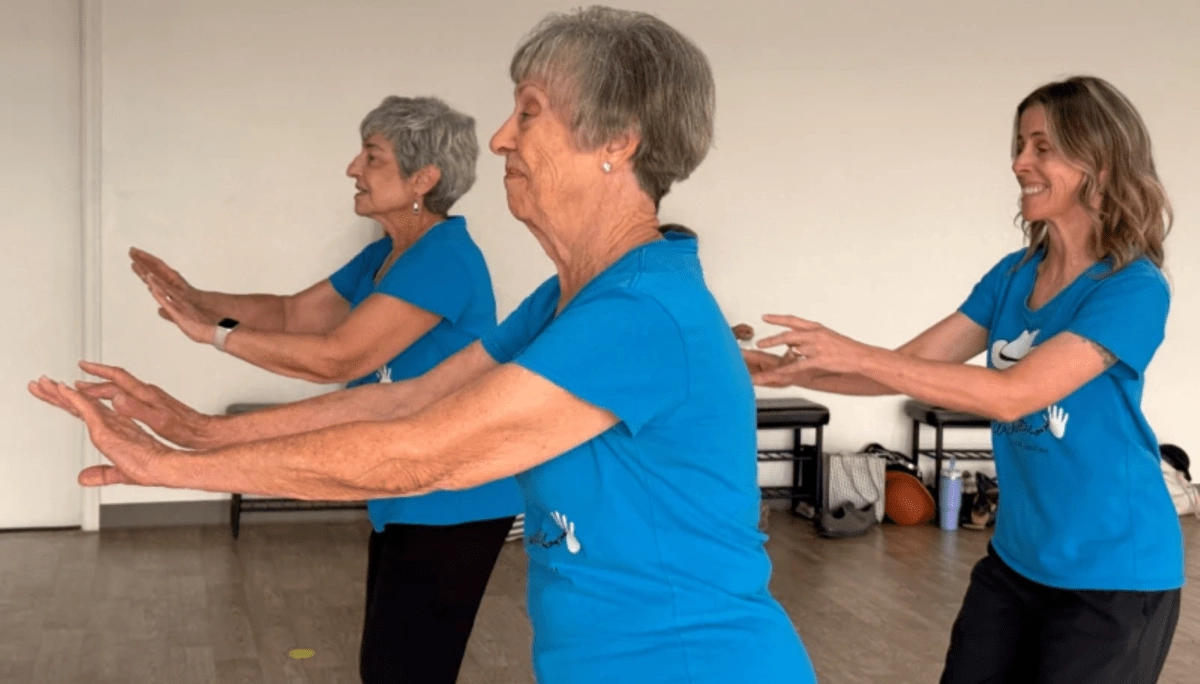

Carol Ross, founder of the Rodeo City Wreckettes, highlights the joy that dancing brings to her life and the lives of other women over 50. At 87 years old, she and her husband continue to demonstrate that dance is a path to health and well-being.
“I've danced my whole life, it's the best,” he told the Associated Press (AP).
Medical professionals say it doesn't matter if it's country dancing, ballroom stepping, salsa, tap dancing, Zumba at the gym or with a group like the Wreckettes. “Dancing is one of the most beneficial activities for older people,” said Julio Loya, nurse and geriatric program coordinator at Tucson Medical Center.
Benefits of dancing for seniors
Medical experts emphasize that dancing increases mobility, strength and reduces the risk of falls. Additionally, it improves brain health and quality of life through social connection.
Stories of individuals who have made dance their priority highlight its positive impact. Cases like that of a patient who danced until his last days exemplify the passion and benefits of dance.
Creating connections through dance
The Wreckettes practice at least twice a week and find in dance a way to build friendships and keep their members active, who share personal stories that motivate them to keep moving.
The group performs at various events, including performances at retirement homes, where music manages to revive patients who, initially, seem disinterested. Gratitude from the communities they serve is also part of their mission to help.
Tips to start dancing at an older age
Experts recommend consulting a doctor before starting any activity.
Choosing appropriate classes and enjoying the process are key elements for an enriching and healthy experience.
Group dance and individual dance
Group dancing usually provides more socialization, coordination with other people and a feeling of accompaniment; Individual dancing gives more freedom, allows the rhythm to be adapted and is usually easier to practice depending on the physical condition of each older person.
What does each one contribute?
For an older person, the best option depends on their health, balance, personal taste, and need for company.
In general, if you are looking for coexistence and motivation, the group is a better fit; If you are looking for independence and adaptation, the individual is usually more convenient.
You may also be interested in:
· What does your body need after the age of 50? · Aerobic exercise, the ideal ally against hypertension · Nutritional strategies to increase muscle mass