

Another of the many benefits that olive oil provides: it stimulates hair growth
Scientific evidence confirms that olive oil provides one more benefit: it revitalizes the hair follicle and promotes healthy and abundant hair.
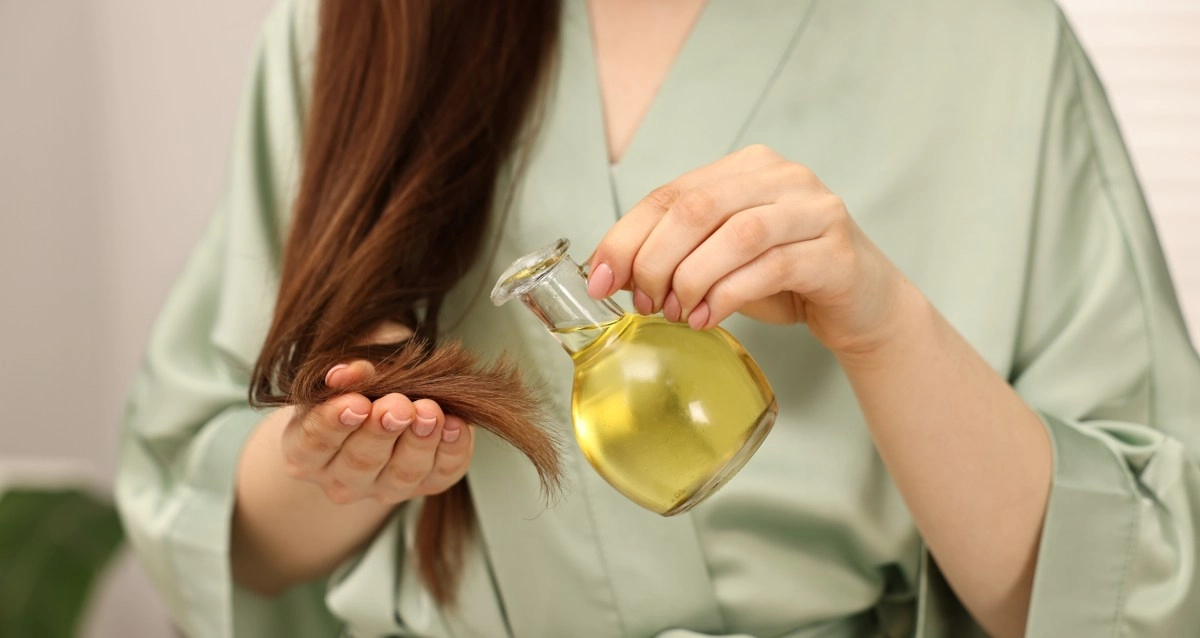

When talking about the benefits of olive oil, the conversation usually revolves around the heart, cholesterol, and the prevention of chronic diseases. However, there is a less explored territory in health headlines where this golden liquid also displays its power: the scalp.
Recent research and the accumulation of empirical evidence indicate that extra virgin olive oil can be a powerful ally for those seeking to strengthen, nourish and stimulate hair growth.
Olive oil, applied topically, improves hair hydration and elasticity. According to a study in the Journal of Cosmetic Science, this oil nourishes the hair and increases its resistance by penetrating the hair fiber thanks to its content of essential fatty acids.
Benefits for hair growth
The phytoestrogens present in olive oil can inhibit the enzyme 5-alpha-reductase, which reduces the production of dihydrotestosterone (DHT), a common cause of androgenetic alopecia.
This was explained by Spanish dermatologist Ana Molina in her presentation at the World Olive Oil Exhibition (WOOE), who adds that olive oil can stimulate hair growth by improving blood circulation in the scalp and increasing the proliferation of hair follicle cells.
It is also effective in the treatment of seborrheic dermatitis, helping to reduce inflammation and peeling of the scalp. Studies indicate that it has antioxidant and protective properties that promote the general health of the scalp.
Research in the International Journal of Trichology also demonstrates that olive oil protects hair from damage caused by chemical treatments, maintaining the integrity of the hair cuticle thanks to its emollient properties.
Active components behind the capillary effect
Olive oil is not simply fat. Its richness in oleic acid (omega-9), polyphenols such as hydroxytyrosol and oleuropein, vitamin E and squalene makes it a bioactive matrix with properties that go beyond surface lubrication. When applied directly to the scalp, these compounds penetrate the hair fiber and the follicular environment, exerting concrete and measurable effects.
Oleic acid, which represents between 55% and 83% of the oil's composition, facilitates the penetration of nutrients into the hair cortex, improving its elasticity and reducing breakage. Vitamin E, for its part, acts as an antioxidant, neutralizing free radicals that damage follicles and can trigger premature hair loss.
How to incorporate it into your hair routine?
Experts in trichology and cosmetic dermatology recommend the use of extra virgin olive oil—the variety with the highest concentration of bioactive compounds—in the form of a weekly hair mask. Simply apply between two and four warm tablespoons to the scalp, massaging in circular movements for five to ten minutes to activate circulation, and leave it on for thirty minutes to one hour before washing your hair normally.
For those who suffer from dandruff or mild seborrhea, adding a few drops of tea tree or rosemary essential oil can enhance the antiseptic and stimulating effect, creating a low-cost and highly effective formula that rivals many commercial hair treatments.