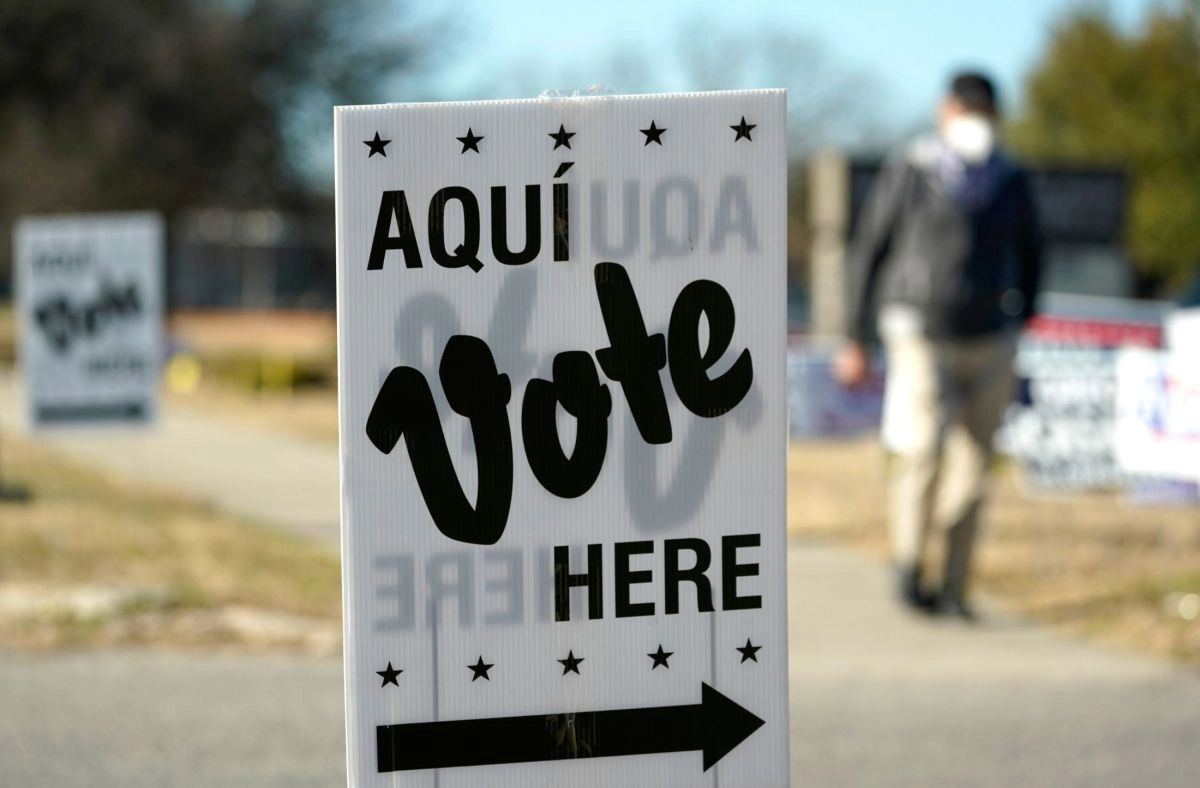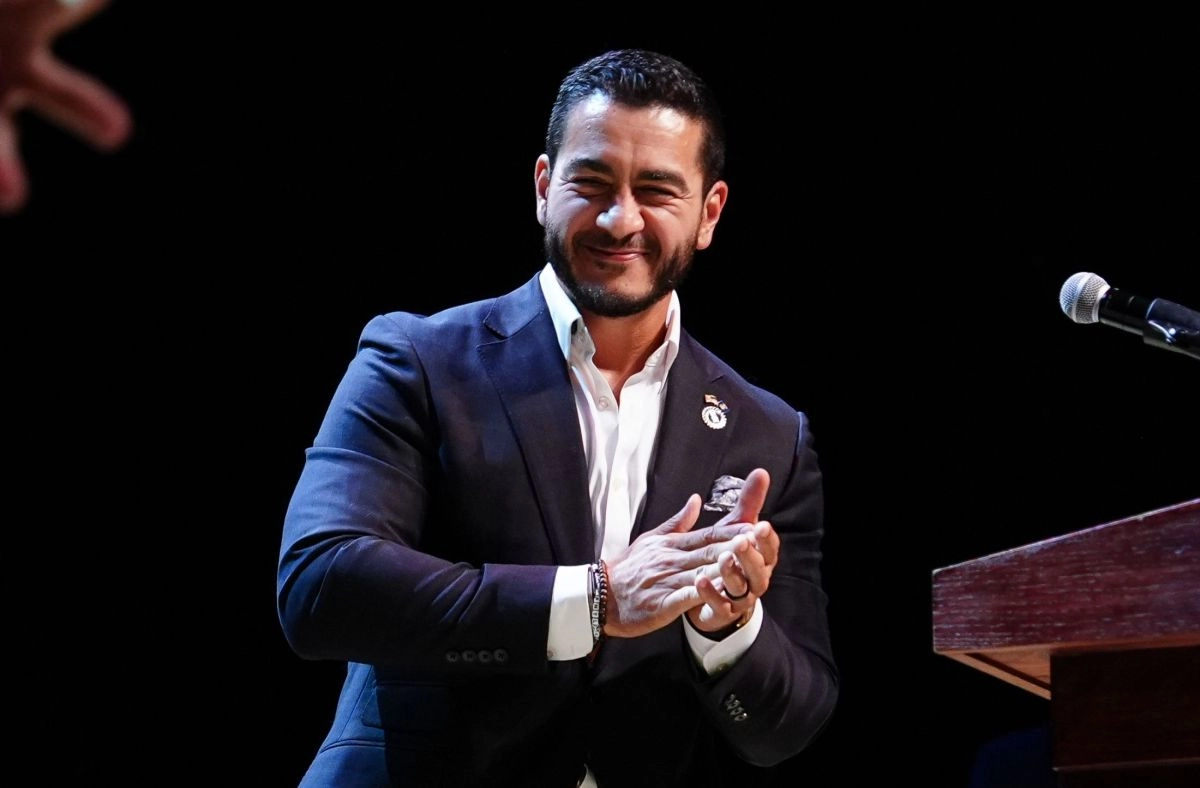

Abdul El-Sayed became the Democratic Party candidate for the Senate for Michigan, after winning a primary marked by intense competition against Congresswoman Haley Stevens, the AP agency revealed. His victory represents an important boost for the party, which manages to place one of its most representative profiles in one of the most watched races in the country.
Abdul El-Sayed's victory not only redefines the political landscape in Michigan, but also strengthens the Democratic bet heading into the November elections.
Now, the Democratic candidate will face Republican Mike Rogers, who won his party's nomination without opposition. The midterm election will be decisive for the balance of the Senate, since that seat is considered strategic in the dispute for control of the chamber.
The Democratic primary was one of the most competitive of the election cycle in Michigan. For much of the count, Abdul El-Sayed and Haley Stevens traded leads in an election closely watched by political analysts because of its impact on the balance of the Senate.
The result represents a significant victory for the progressive wing of the Democratic Party in a state considered key for the November legislative elections.
Who is Abdul El-Sayed and why did he prevail?
A physician by training and former director of the Wayne County Health Department, Abdul El-Sayed built his campaign around proposals focused on expanding access to health services, reducing the cost of living and strengthening social programs.
He is also known for having competed for governor of Michigan in 2018, an experience that allowed him to consolidate a base of support among progressive voters and left-wing organizations.
During this campaign he received the support of figures such as Bernie Sanders and groups related to the progressive movement, in addition to attracting an electorate that was looking for a profile different from that of the party's traditional candidates. His message, focused on the needs of society, was one of the factors that analysts consider decisive in winning one of the most disputed Democratic primaries of the year.